
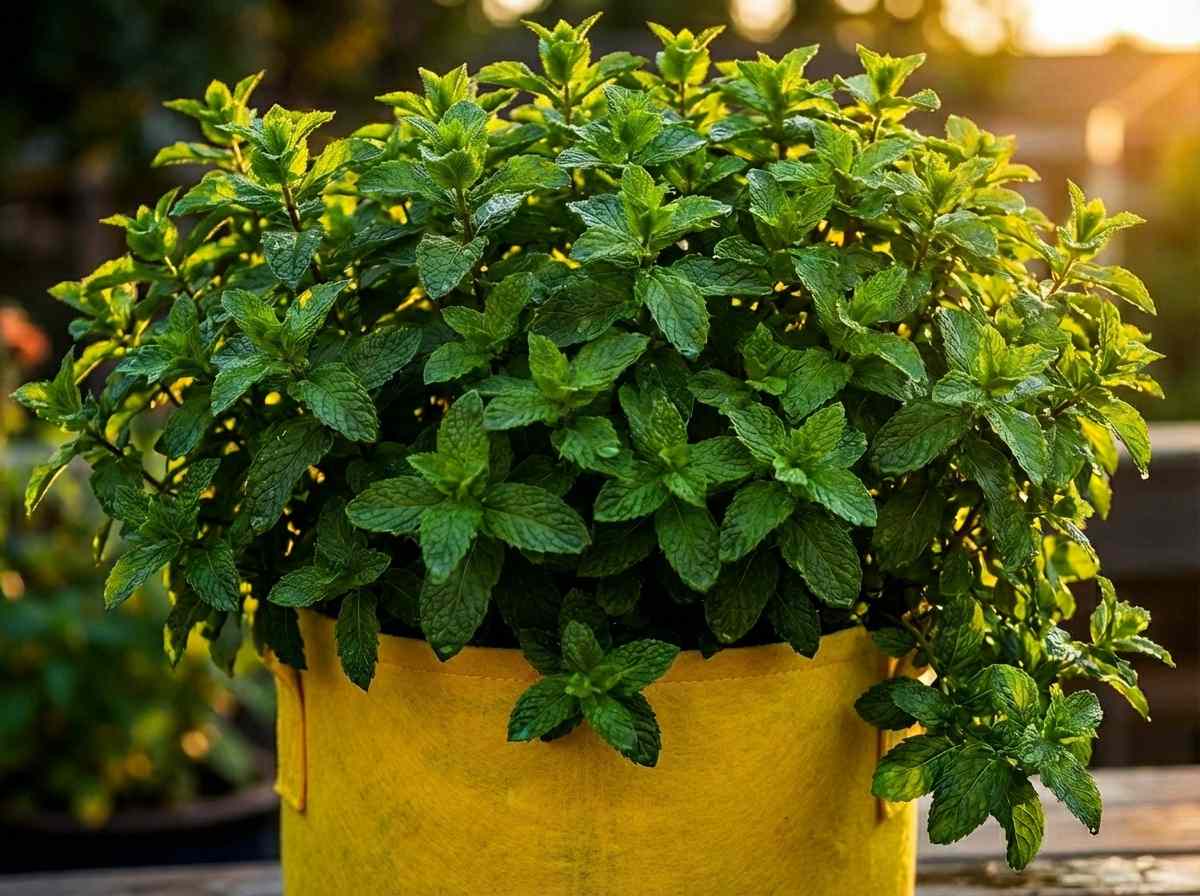
Mint is one of the easiest and most rewarding plants you can grow at home. It grows quickly, smells amazing, and can be used in drinks, cooking, and even natural remedies. But despite being considered a “beginner-friendly” plant, many people still struggle to grow it properly.
The truth is, mint is simple—but only if you understand how it actually grows.
In this guide, you’ll learn the best way to grow mint at home, step by step, along with practical tips, common mistakes, and proven techniques based on real growing experience.
Why Mint Is One of the Best Plants to Grow
Mint is not just easy—it’s incredibly productive.
It grows fast, spreads quickly, and can be harvested multiple times. During warm weather, it also has a cooling effect when used in drinks or meals, which makes it even more valuable.
From my experience, mint is one of those plants that gives quick results. Within a few weeks, you can start harvesting fresh leaves, which makes it perfect for beginners.
Best Way to Grow Mint at Home
Growing mint at home becomes much easier when you follow a clear, step-by-step approach instead of guessing what the plant needs. Each stage—from selecting the right pot to preparing the soil and managing water—plays an important role in how well your mint grows.
Since mint is a fast-spreading plant, even small decisions in the beginning can affect its long-term health and productivity.
By understanding these steps properly, you can create the ideal environment for steady growth, fuller leaves, and continuous harvesting without facing common problems later on.
Step 1: Choosing the Right Mint Plant
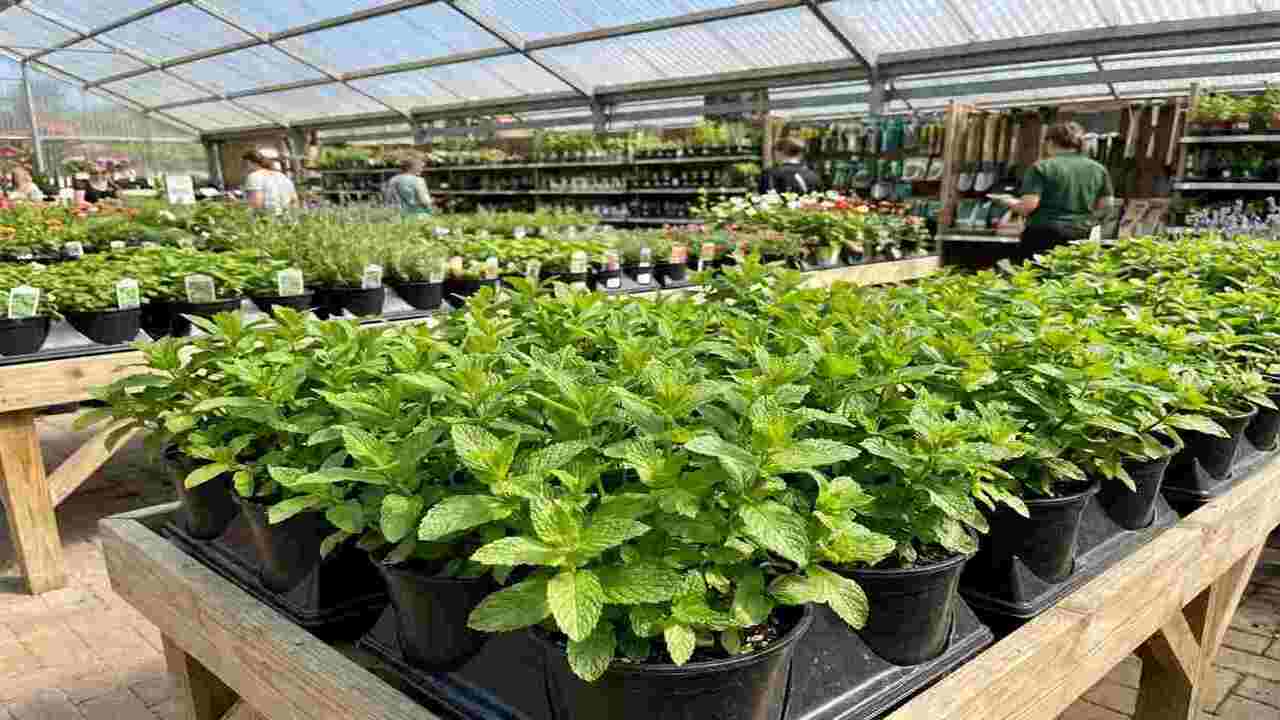
The first step is selecting a healthy plant.
You can grow mint either from seeds or from a nursery plant, but starting with a small plant is much easier and faster.
When choosing a mint plant:
- Look for bright green leaves
- Avoid yellow or wilted plants
- Check that stems are strong and not damaged
I usually recommend starting with a nursery plant because it saves time and gives you immediate growth.
Step 2: Selecting the Right Pot
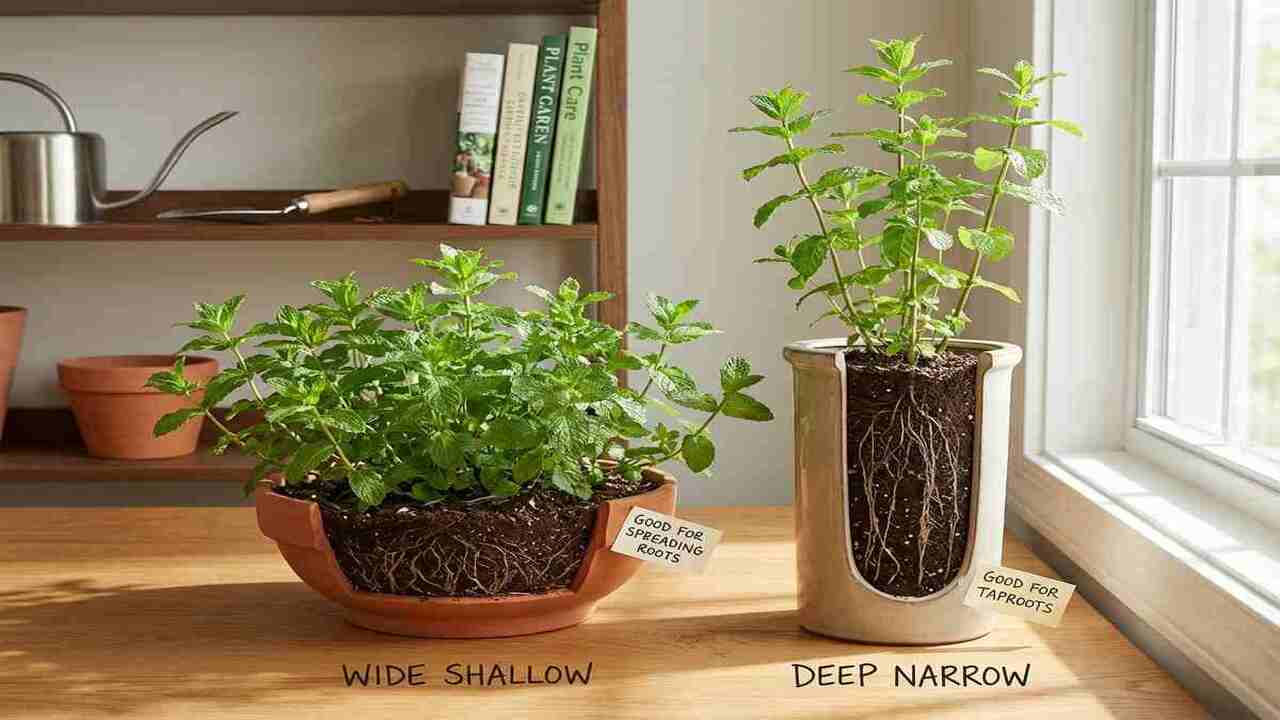
Mint does not grow deep—it spreads wide.
This is where many people make a mistake. They choose a deep pot instead of a wide one.
The best container for mint is:
- Wide and shallow
- Has proper drainage holes
A wider pot allows the roots to spread naturally, which leads to faster and healthier growth.
From my experience, switching from a deep pot to a wide container significantly improved plant growth.
Step 3: Preparing the Perfect Soil Mix

Soil plays a major role in how well your mint grows.
Mint loves moisture, but it does not like soggy soil. You need a mix that retains some water but still drains well.
Ideal Soil Mix:
- 1 part garden soil
- 1 part cocopeat (for moisture retention)
- 1 part vermicompost (for nutrients)
You can also add a small amount of neem cake to protect the plant from pests.
This combination creates a balanced environment where:
- Roots stay moist
- Nutrients are available
- Water does not get trapped
This is the exact mix I’ve used many times, and it consistently produces strong, healthy mint plants.
Step 4: Planting the Mint Properly
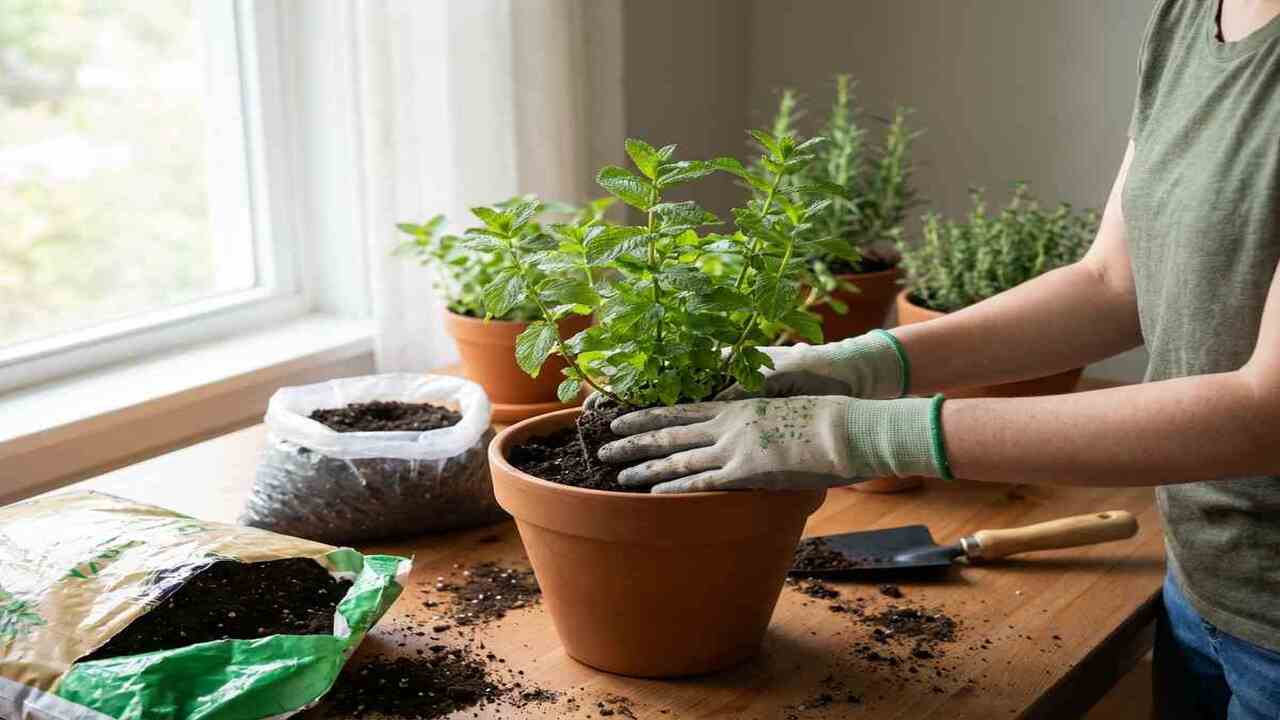
Once your soil is ready, it’s time to plant.
Place the plant gently in the center of the pot. Fill the surrounding space with soil and press lightly to secure it.
Avoid pressing too hard, as roots need air to grow.
After planting:
- Water lightly
- Do not flood the soil
A gentle watering helps the plant settle without causing stress.
Step 5: Initial Care After Planting
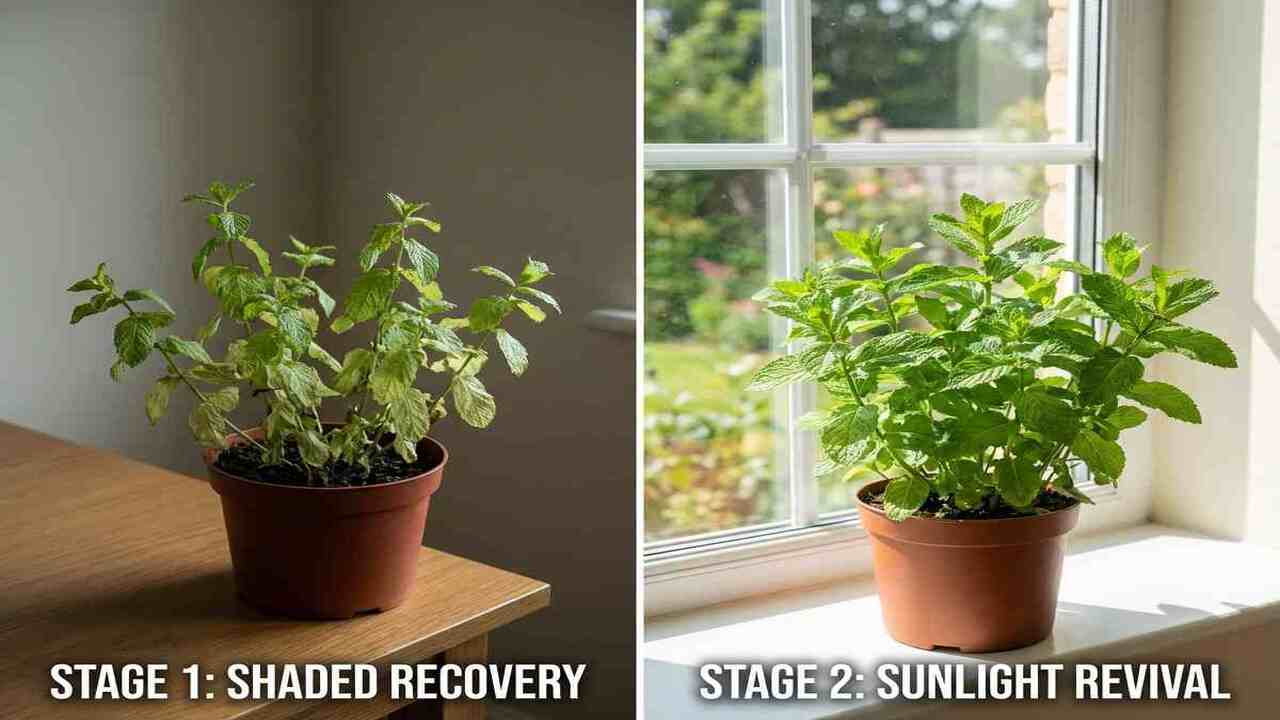
The first few days are important.
Keep the plant in shade for about two days after planting. This helps it adjust to the new environment.
After that, gradually move it to a spot where it can receive sunlight.
Mint grows best when it gets:
- Morning sunlight
- Partial shade during intense heat
This balance prevents leaf burn while supporting healthy growth.
Step 6: Watering the Right Way
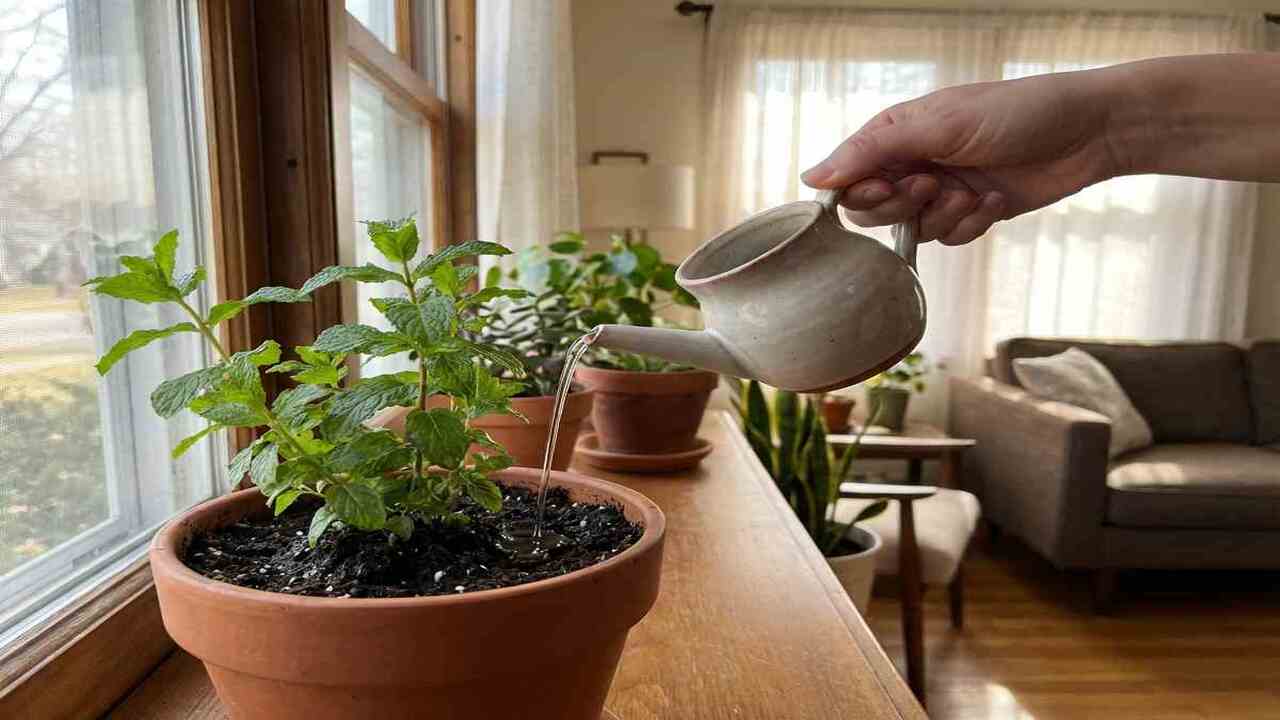
Mint loves water—but this is where many people go wrong.
It needs consistent moisture, but overwatering can still damage the roots.
Correct Watering Approach:
- Keep the soil slightly moist
- Do not let it dry out completely
- Avoid waterlogging
Mint can wilt quickly if you skip watering, especially in warm conditions. I’ve seen plants droop within a day of missing water.
The key is consistency—not excess.
Step 7: Providing the Right Light Conditions

Light plays a crucial role in mint growth.
Mint prefers:
- Bright light
- Partial sunlight
Too little light leads to slow growth, while too much harsh sunlight can dry out the plant.
From my experience, placing mint where it gets soft sunlight works best.
Step 8: Pruning for Faster Growth
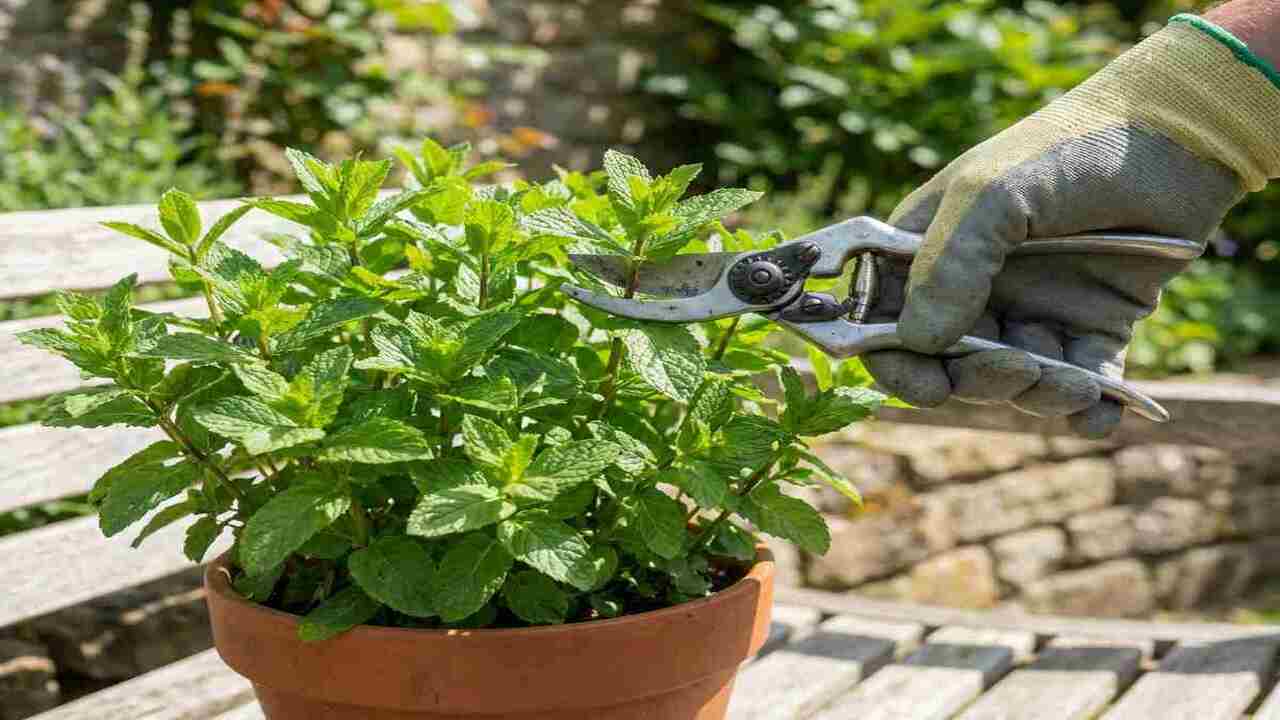
Mint grows faster when you prune it regularly.
This might seem counterintuitive, but cutting the plant actually encourages it to grow more.
How to Prune:
- Cut the top leaves regularly
- Do not let the plant grow too tall
- Remove weak or damaged stems
Pruning helps the plant become bushier and more productive.
Step 9: Feeding the Plant

Mint does not require heavy fertilization, but it still needs nutrients.
If you’ve used vermicompost in your soil mix, that provides a strong base.
After a few weeks, you can:
- Add a small amount of compost
- Use liquid organic fertilizer occasionally
Avoid overfeeding, as it can damage the plant.
Step 10: Controlling Pests Naturally
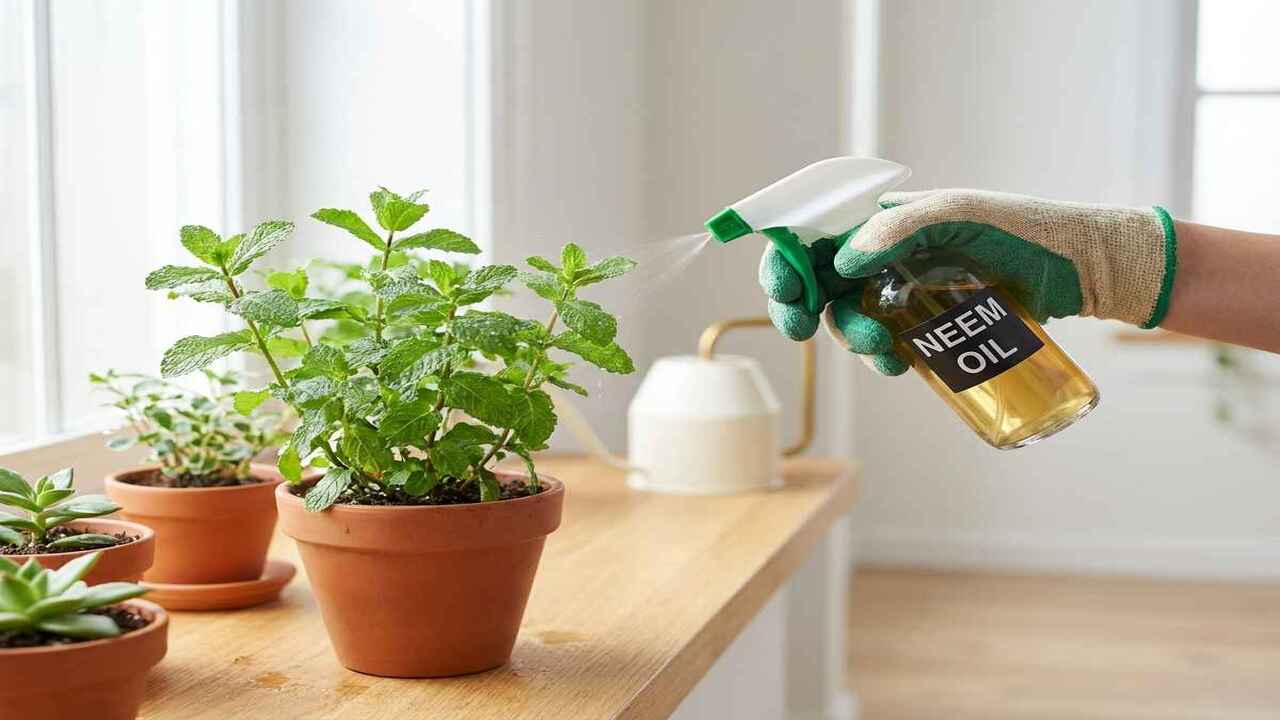
Mint is generally resistant to pests, but problems can still occur.
Common pests include:
- Aphids
- Whiteflies
To prevent this:
- Use neem cake in soil
- Spray neem oil occasionally
This keeps your plant healthy without using chemicals.
Common Mistakes to Avoid
Even though mint is one of the easiest plants to grow, small mistakes can still slow its growth or affect its overall health. Understanding these common issues can help you grow a stronger and more productive plant.
Overwatering
Too much water can lead to root rot, which is one of the main reasons mint plants die. The soil should stay moist, not soggy, otherwise the roots start to suffocate.
Underwatering
Mint needs consistent moisture. If you forget to water it, especially in warm conditions, the plant can wilt quickly and lose its freshness.
Wrong Pot Size
Using a deep pot instead of a wide one restricts the natural spreading habit of mint. A shallow, wide pot allows better root expansion and healthier growth.
Poor Soil Mix
Heavy or compact soil prevents proper drainage and blocks root development. This can slow growth and increase the risk of disease.
Ignoring Pruning
If you don’t prune mint regularly, it grows tall but weak. Proper trimming helps the plant become bushier and encourages more leaf production.
My Personal Experience with Growing Mint
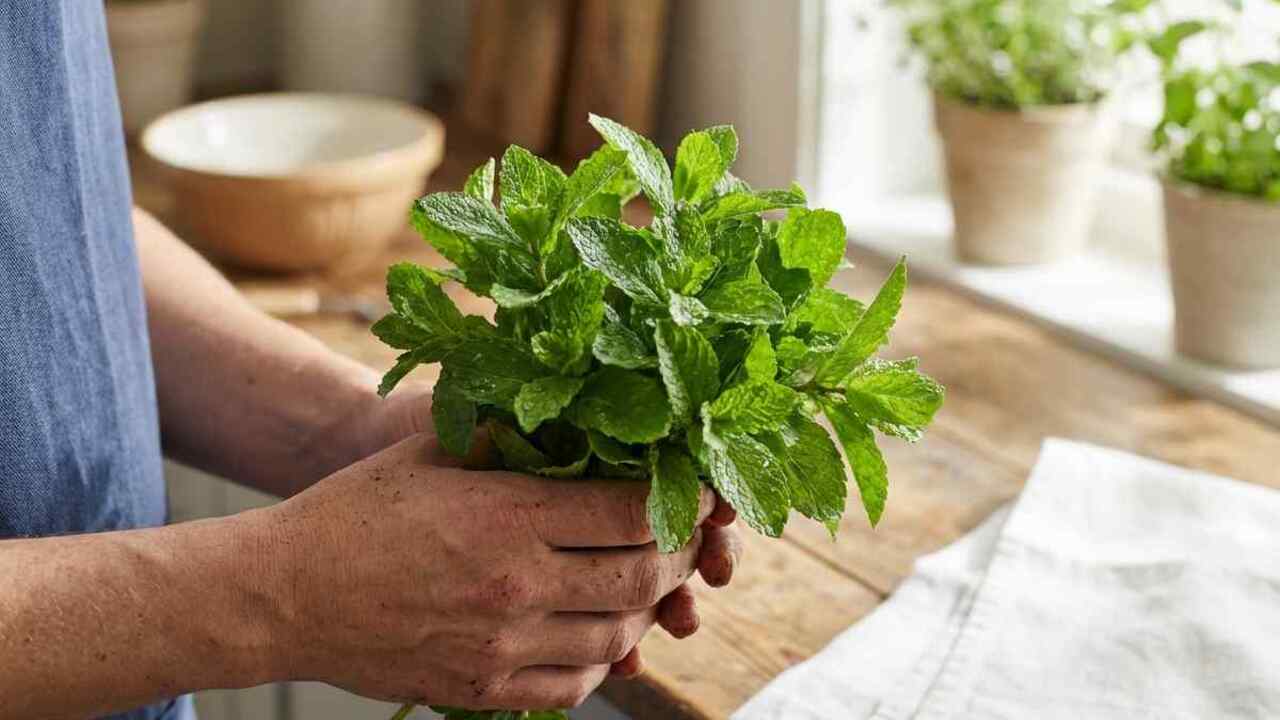
I grew many veggies at home but When I first started growing mint, I underestimated how quickly it reacts to changes.
I once skipped watering for just a day during warm weather, and the plant wilted noticeably. That’s when I realized mint requires consistent attention.
Another major improvement came when I switched to a wider pot. The plant spread faster, became bushier, and produced more leaves.
Over time, I learned that mint doesn’t need complicated care—it just needs the right balance.
Advanced Tips for Better Growth
Once you understand the basics, a few advanced techniques can make a big difference.
1. Pinching Technique
Pinch off growing tips regularly to promote branching.
2. Rotation
Rotate the pot occasionally so all sides receive equal light.
3. Staggered Harvesting
Harvest in small amounts regularly instead of cutting everything at once.
4. Moisture Control
Keep soil evenly moist instead of letting it dry completely.
These small adjustments can significantly increase yield.
Harvesting Mint the Right Way
Mint can be harvested multiple times.
Instead of pulling out the entire plant, cut only the top leaves. This encourages regrowth.
The more you harvest, the more the plant produces.
Final Thoughts
Mint is one of the most rewarding plants you can grow at home. It grows quickly, requires minimal effort, and provides continuous harvests.
The secret to success is simple:
- Use the right soil
- Maintain consistent watering
- Choose a wide pot
- Provide balanced light
Once you follow these basics, mint becomes incredibly easy to grow.
From my experience, mint is not just a plant—it’s one of the best starting points for anyone entering gardening.
And once you grow it successfully, you’ll realize how simple and satisfying home gardening can truly be.