

Snake plants (Sansevieria or Dracaena trifasciata) are one of the easiest houseplants to grow, but most people only see them in their natural upright form. What many don’t realize is—you can actually train a snake plant into a spiral shape for a modern, designer look.
I’ve personally tried this method at home, and while it takes patience, the results are absolutely worth it. In this guide, I’ll walk you through exact steps, mistakes to avoid, and real tips from my experience so you can shape your snake plant into Spiral shape successfully.
Why Spiral Snake Plants Are Trending
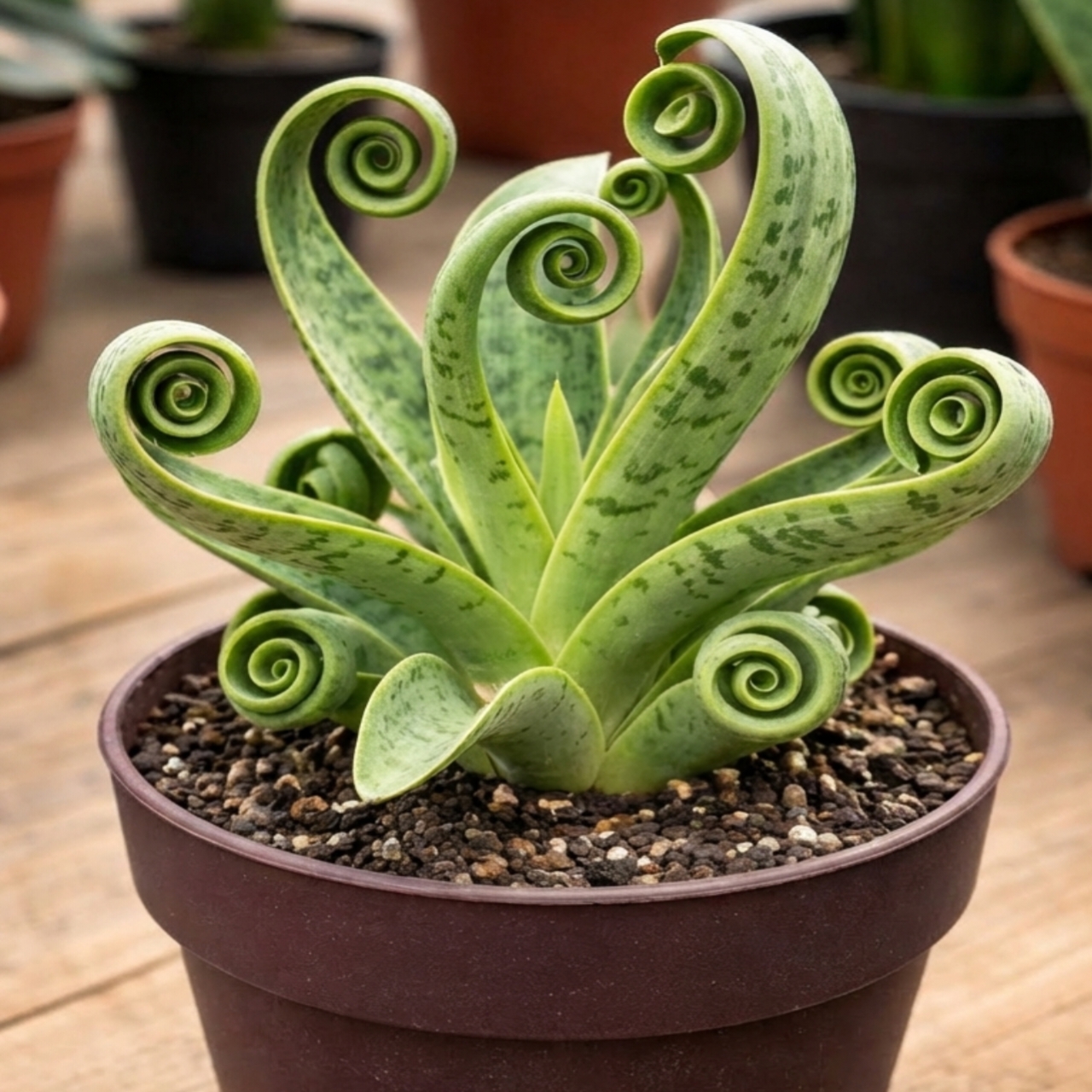
In the U.S., indoor plant styling is not just about keeping plants alive anymore—it’s about aesthetic design. Spiral plants are popular because they:
- Look premium and decorative
- Fit perfectly in modern interiors
- Make your plant stand out on social media
- Add a sculptural, artistic vibe
Important Truth Before You Start
Let’s be clear—snake plants don’t naturally grow in a spiral.
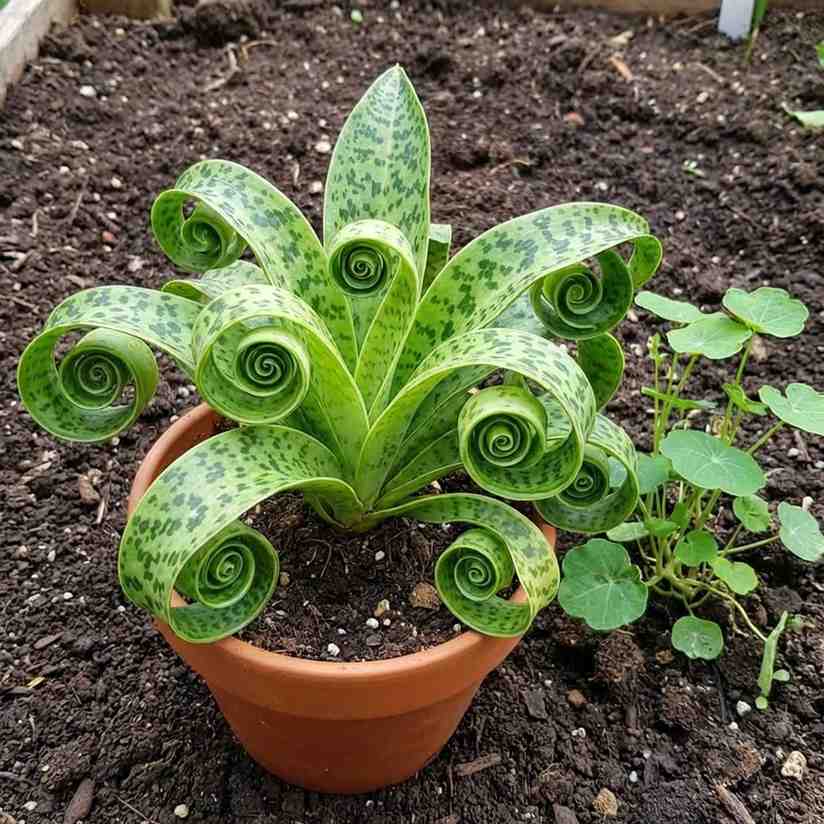
You are not “changing” the plant permanently. Instead, you are training the leaves while they grow. This means:
👉 It takes time (weeks to months)
👉 You must guide new growth—not old stiff leaves
What You’ll Need
Keep things simple. Here’s what I used:
- Healthy snake plant (younger leaves work best)
- Soft plant ties / string / Velcro strips
- Small stakes or supports
- Bright indirect light
- Patience (most important)
Step-by-Step: how to make a spiral snake plant
1. Start with a Healthy Plant
First, select a healthy snake plant that is planted in an Right sized pot. If the pot size is incorrect, the plant could sustain damage during the training process, as the right pot size for snake plant is a crucial factor.
Choose a plant with:
- Fresh, flexible leaves
- No root rot or damage
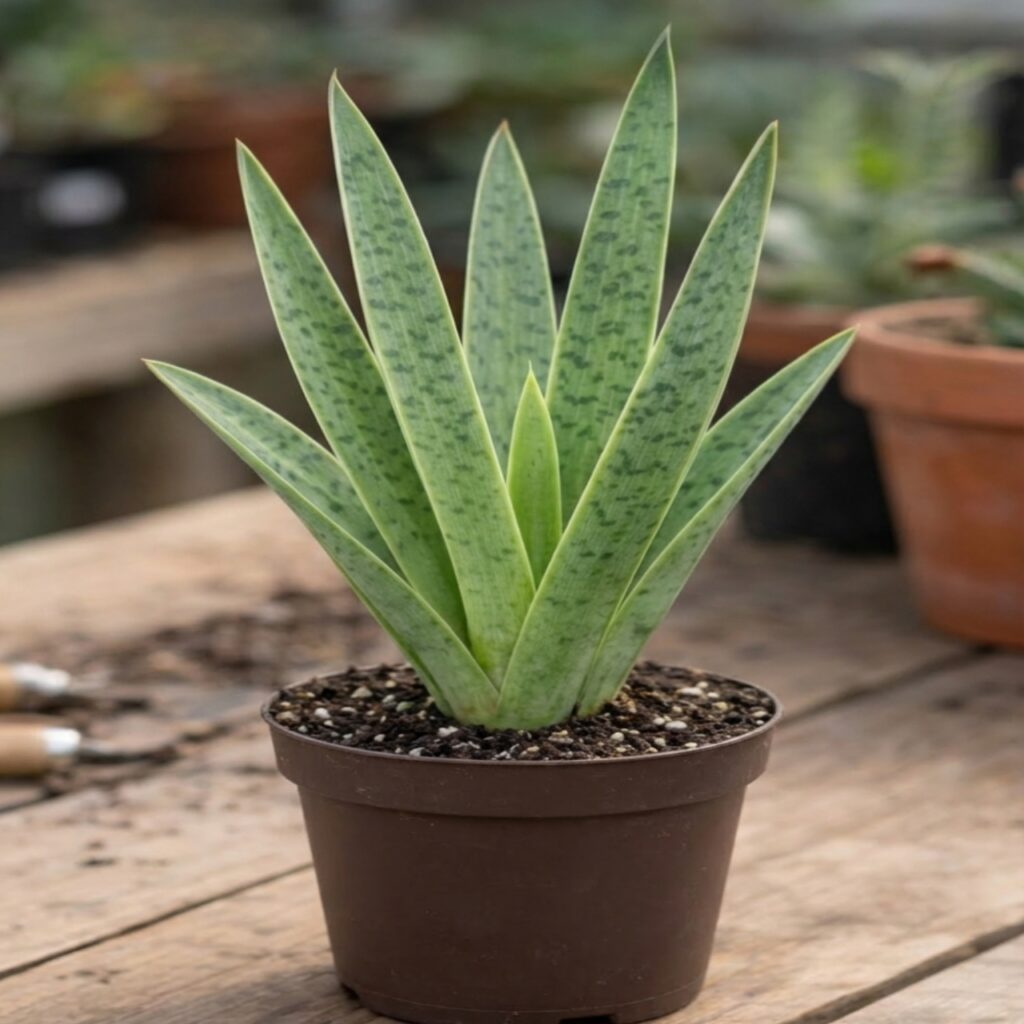
💡 My experience: I tried this once with an older plant, and the leaves were too stiff—they cracked slightly. Always start with newer growth.
2. Identify Flexible Leaves
Look for leaves that are:
- Not fully mature
- Slightly soft and bendable
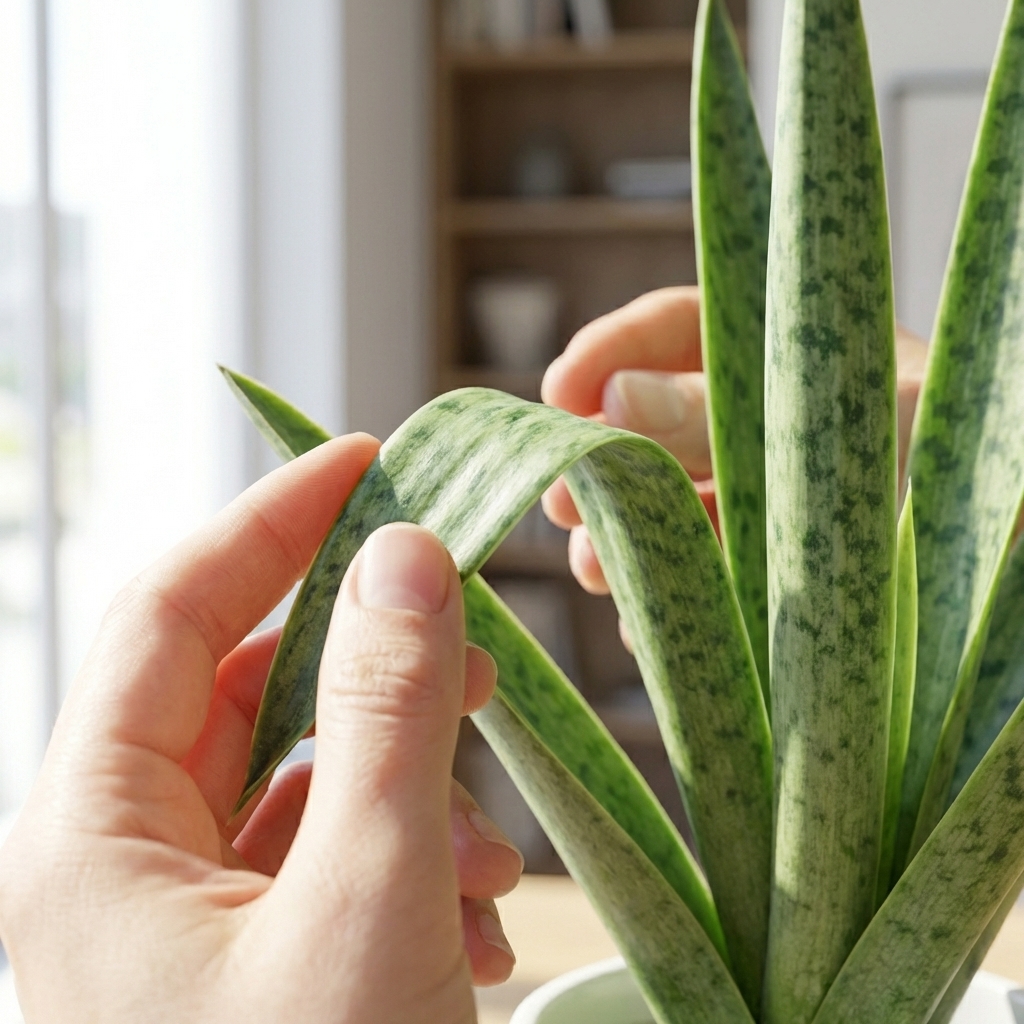
These are the ones you’ll train.
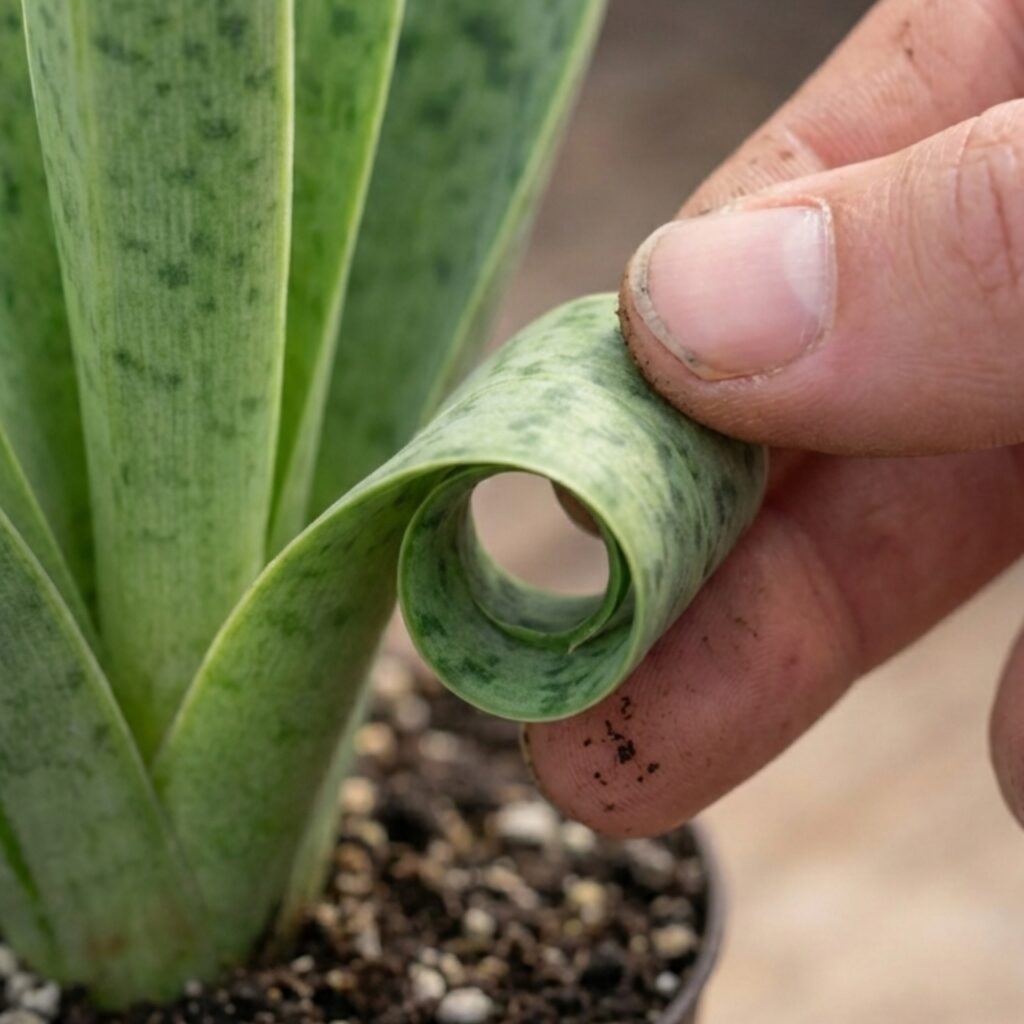
3. Begin Gentle Bending
Slowly curve the leaf in the direction you want.
⚠️ Don’t force it.
Snake plant leaves can snap if bent too hard.
👉 Bend a little, wait a few days, then bend more.
4. Use Soft Ties for Support
Wrap soft ties around the leaf and attach it to a support.
- Keep the curve natural
- Avoid tight pressure
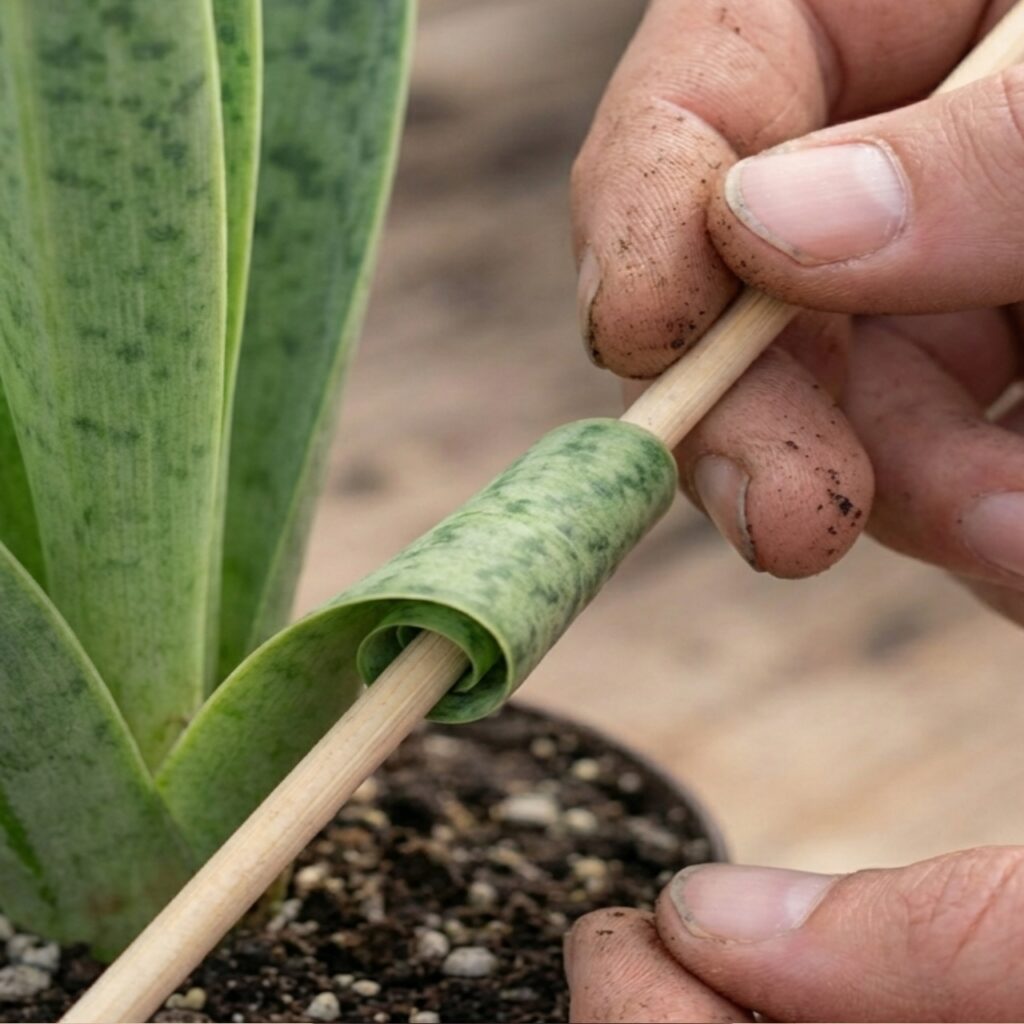
💡 From my experience: I used regular thread at first—bad idea. It left marks on the leaves. Switch to soft plant ties or cloth strips.
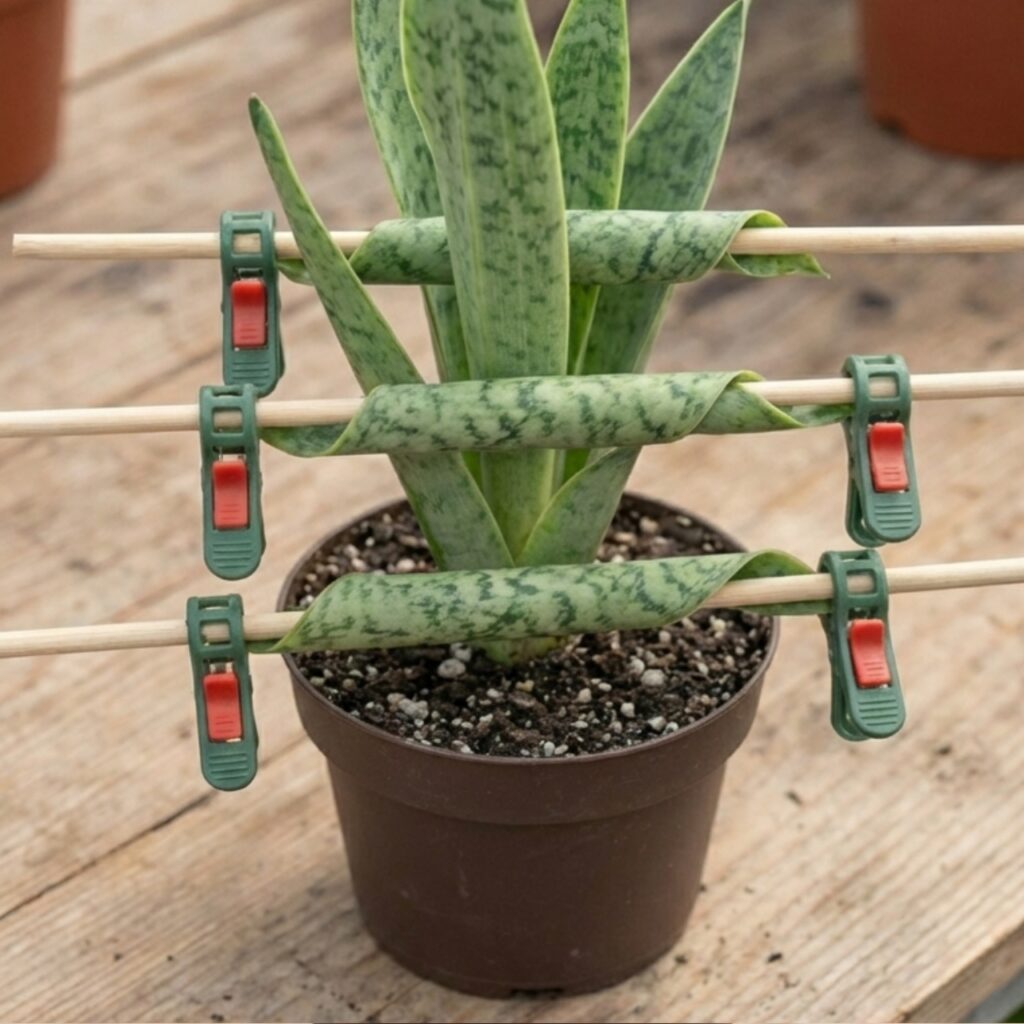
5. Create the Spiral Shape
Now guide the leaf gradually into a spiral:
- Start from the base
- Curve upward in a circular motion
- Adjust every few days
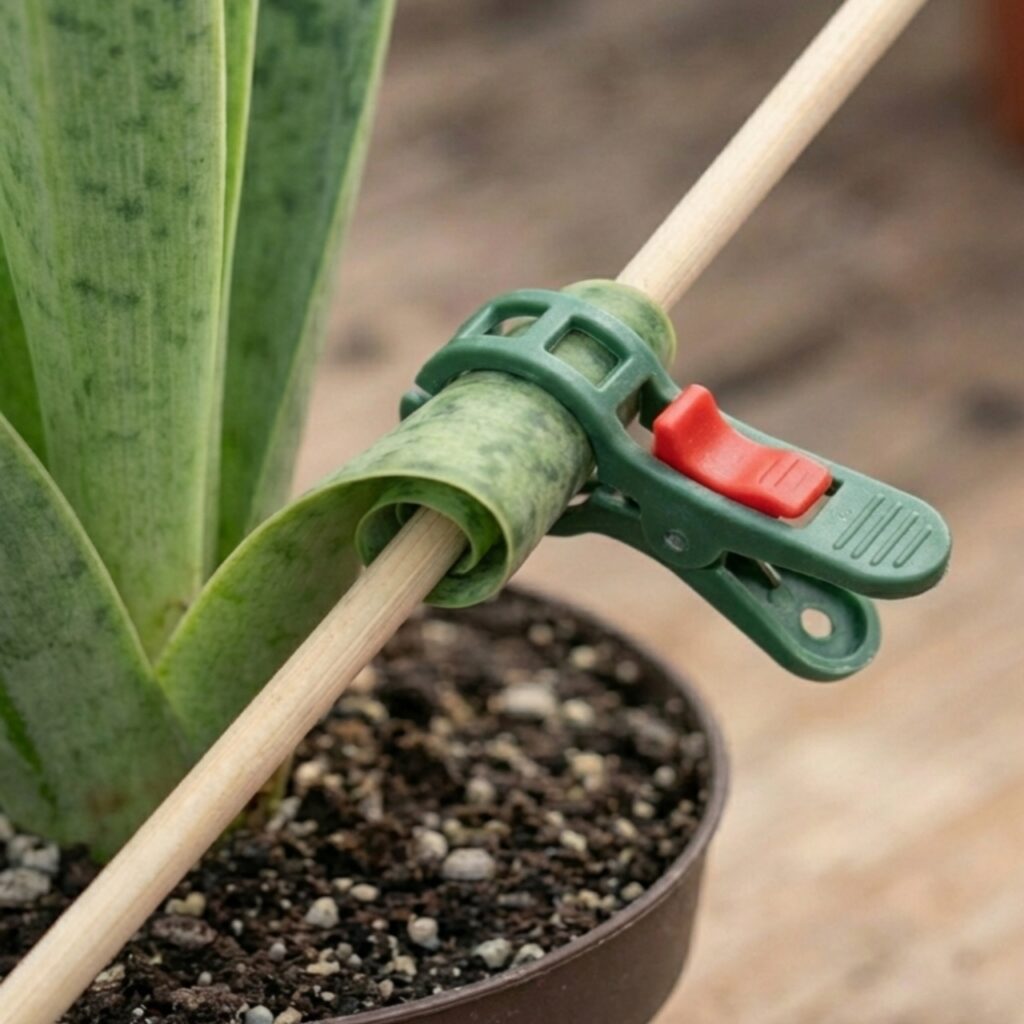
This is a slow process—but that’s the secret.
6. Maintain Proper Lighting
Snake plants need bright indirect light.
Why it matters:
- Helps new growth follow the shape
- Prevents weak or stretched leaves
👉 Rotate the pot weekly so growth stays balanced.
7. Water Carefully
Overwatering = biggest enemy
- Water only when soil is dry
- Avoid water sitting in leaf centers
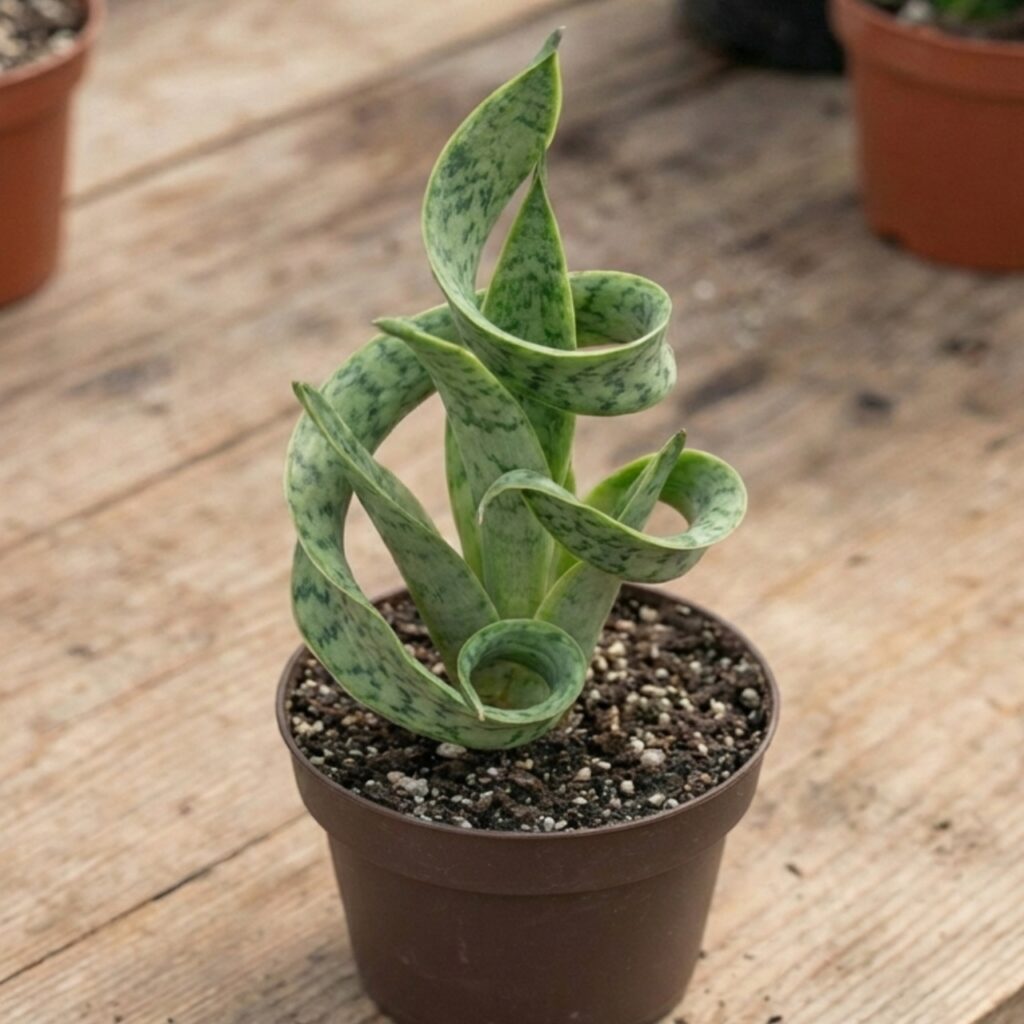
💡 Personal mistake: I once overwatered during this process, and one leaf started rotting from the base. Be extra careful.
8. Be Patient (This Is Key)
You’ll start seeing results in:
- 2–3 weeks → slight shape
- 1–2 months → visible spiral
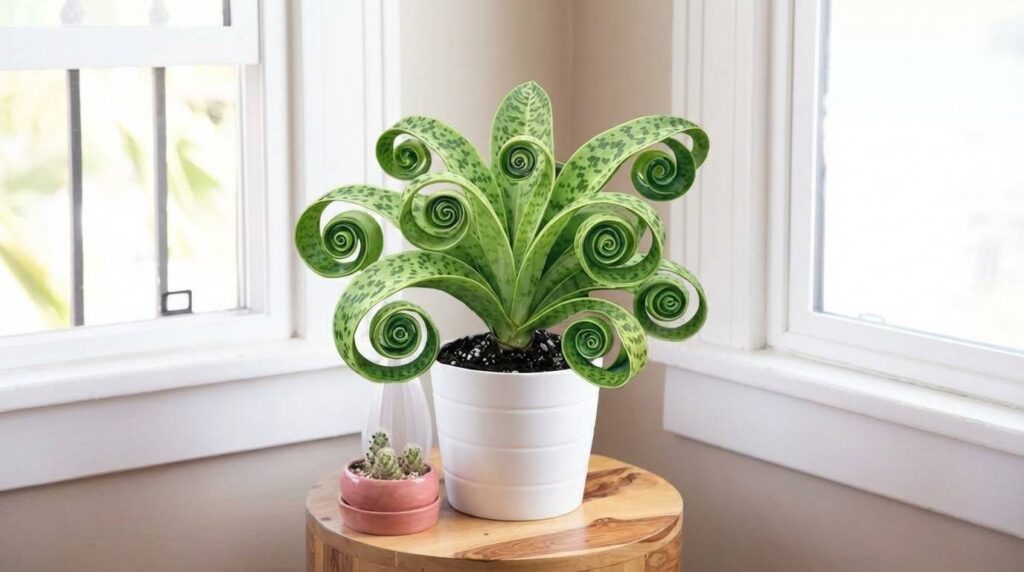
Pro Tips That Actually Work
✔ Train only new leaves
✔ Adjust ties every few days
✔ Keep shape gradual—not forced
✔ Use a clear pot to monitor roots (optional but helpful)
Common Mistakes to Avoid
1. Bending Too Fast
Leads to cracks or permanent damage
2. Using Hard Wire
Cuts into the leaf surface
3. Ignoring Light Direction
Plant will grow unevenly
4. Overwatering
Causes rot, especially during stress
My Honest Experience
When I first tried making a spiral snake plant, I thought it would be quick—maybe a week or two. But reality is different.
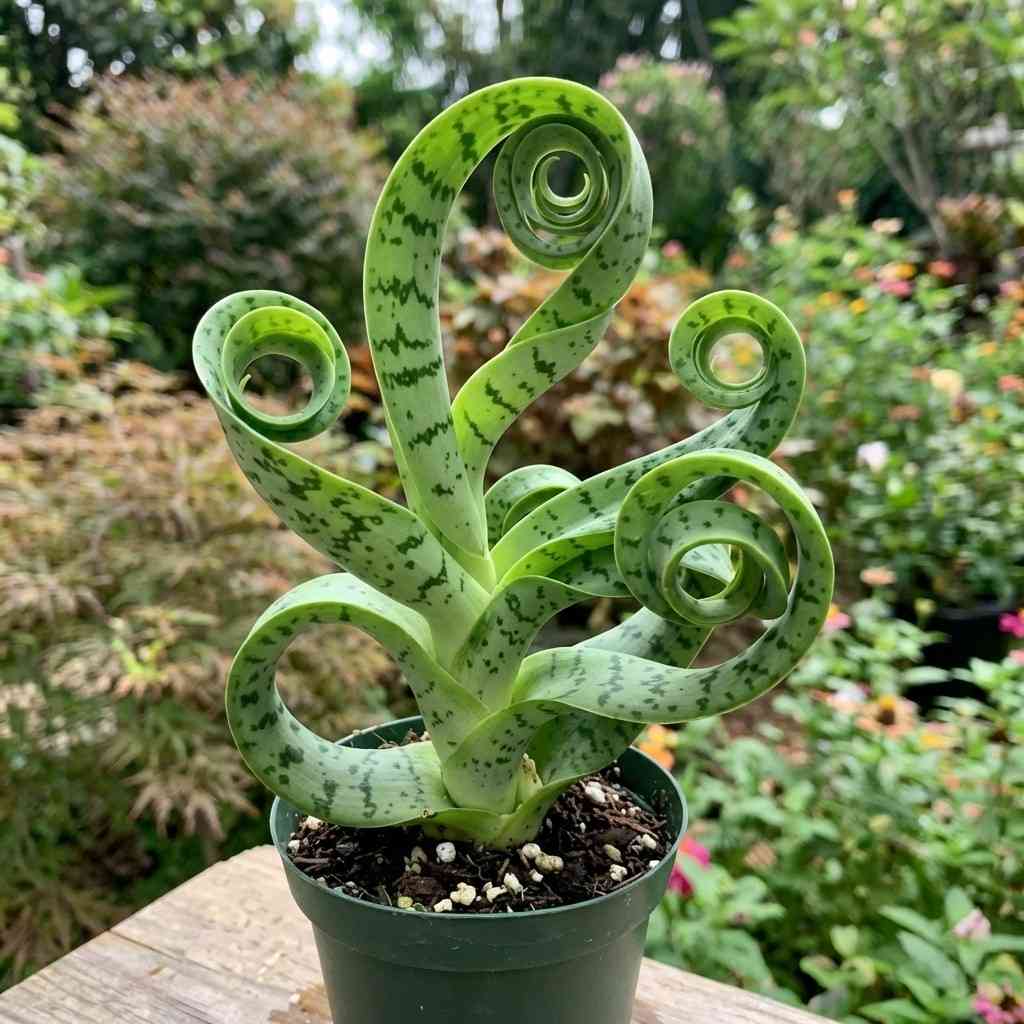
It took me about 5–6 weeks to get a noticeable spiral shape.
At first, I made mistakes:
- Bent too quickly → slight leaf damage
- Used wrong ties → marks on leaves
- Didn’t rotate plant → uneven curve
But once I fixed these, the result was amazing.
Now that plant sits in my living room, and honestly—it looks like something you’d buy from a premium plant store.
Styling Idea
Once your spiral is ready, try this:
- Use a white ceramic pot
- Add decorative pebbles on top
- Place it near a window or shelf
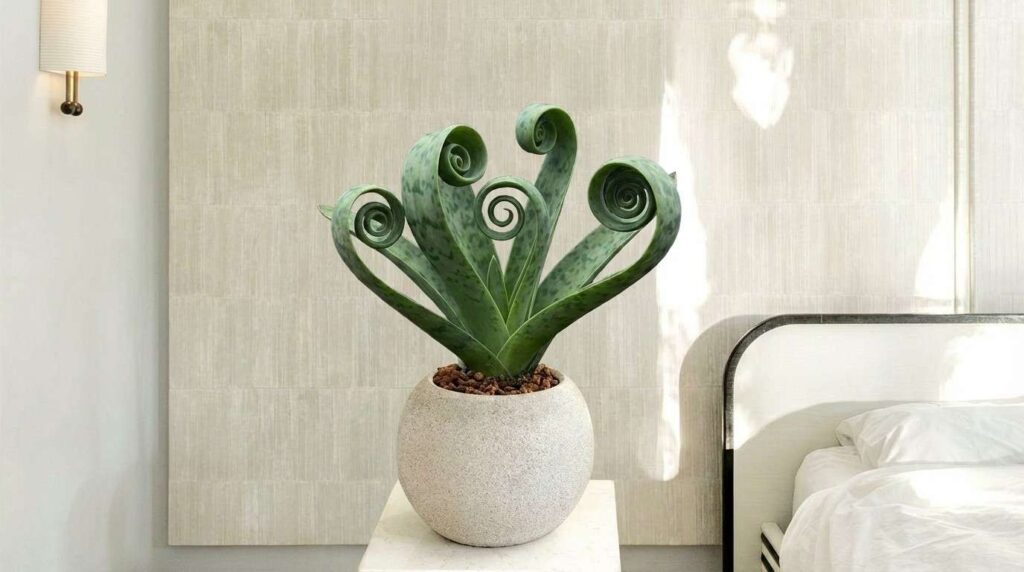
This simple setup instantly makes your plant look “expensive”
Final Thoughts
Turning a snake plant into a spiral shape is not a hack—it’s a process.
But if you do it right:
- It’s easy
- It’s low-cost
- And the result is stunning
Start slow, be patient, and guide your plant gently.
Quick Recap
- Use young, flexible leaves
- Bend slowly over time
- Support with soft ties
- Give proper light and care
- Be patient
If you enjoy experimenting with plants like this, spiral training is just the beginning. With the right techniques, you can turn simple plants into living decor pieces.
You are using those green clips to train yours,,, where do you get them?