
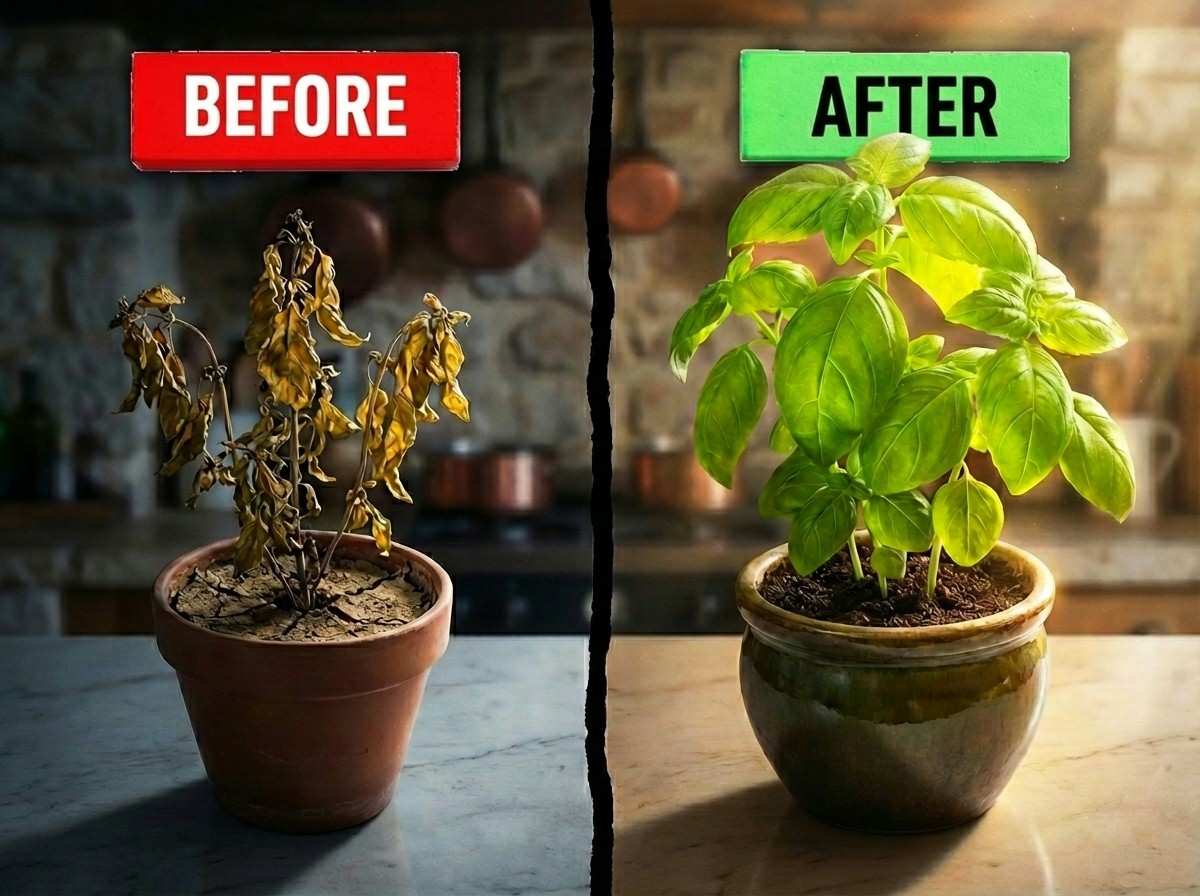
For a long time, I believed basil was one of those plants that should be easy to grow indoors. It looked simple, smelled amazing, and seemed perfect for a small space. But every time I tried, the plant would slowly start fading, and I couldn’t figure out why. It wasn’t until I understood how indoor conditions affect basil that things finally started working.
Basil is one of the most popular herbs for indoor gardening, but many people struggle to keep it alive. It often starts strong, looks healthy for a few days or weeks, and then suddenly begins to wilt, turn yellow, or stop growing altogether. This pattern is extremely common and usually caused by a few hidden mistakes.
The good news is that basil is not a difficult plant. It simply requires the right balance of light, water, and environment. Once you understand what is going wrong, fixing the problem becomes much easier. This guide will break down the real reasons your basil plant keeps dying indoors and how to fix each one step by step.
Why Basil Struggles Indoors
Basil naturally grows in warm, bright environments with consistent airflow. When moved indoors, those conditions often change dramatically. The plant may receive less light, experience uneven watering, and sit in stagnant air, all of which affect its health.
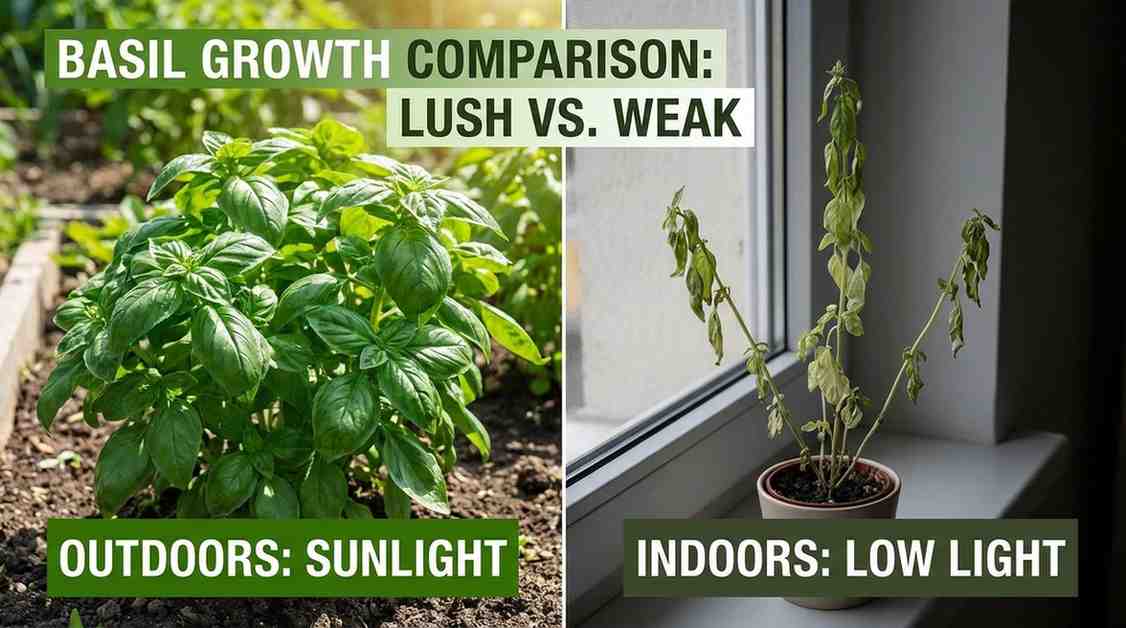
Indoor conditions are not impossible for basil, but they require adjustments. Understanding how indoor environments differ from outdoor conditions is the first step toward solving the problem.
Most indoor basil problems come from a mismatch between what the plant needs and what it actually gets. Once you correct these mismatches, the plant begins to recover quickly and grows more consistently.
- Lower light levels compared to outdoors
- Overwatering due to lack of evaporation
- Poor air circulation
- Improper pot and soil setup
Signs Your Basil Plant Dying
Before fixing the problem, you need to recognize the warning signs. Basil plants usually show clear symptoms when something is wrong. Identifying these early can prevent complete plant failure.
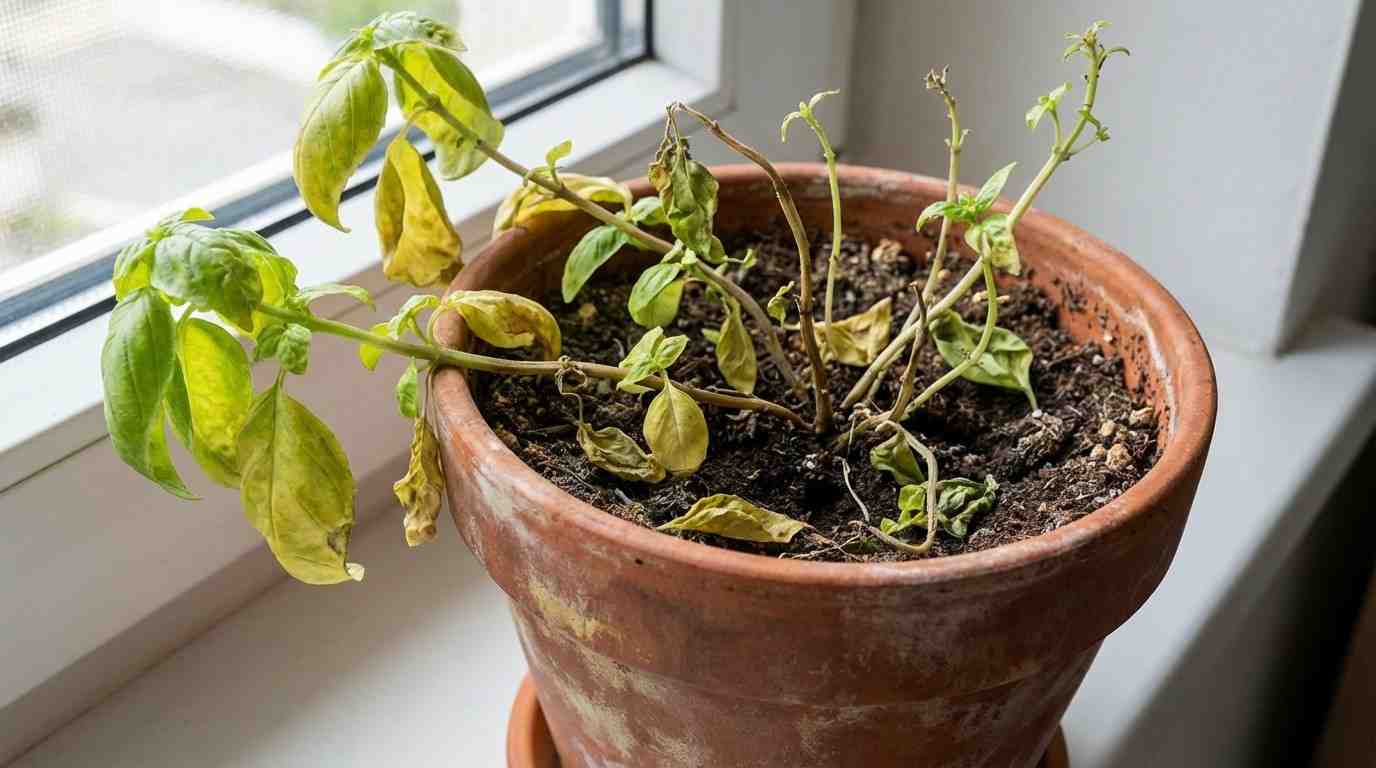
Each symptom points to a specific issue. Learning to read these signs helps you respond correctly instead of guessing.
These visible changes are the plant’s way of signaling stress. Ignoring them can lead to permanent damage, but addressing them early can reverse the situation.
- Yellowing leaves
- Drooping or wilting stems
- Black or mushy roots
- Slow or no growth
Common Causes and Quick Fix Overview
Most indoor basil problems come down to a few core issues. Instead of dealing with dozens of possibilities, it’s more effective to focus on the main causes that affect plant health.
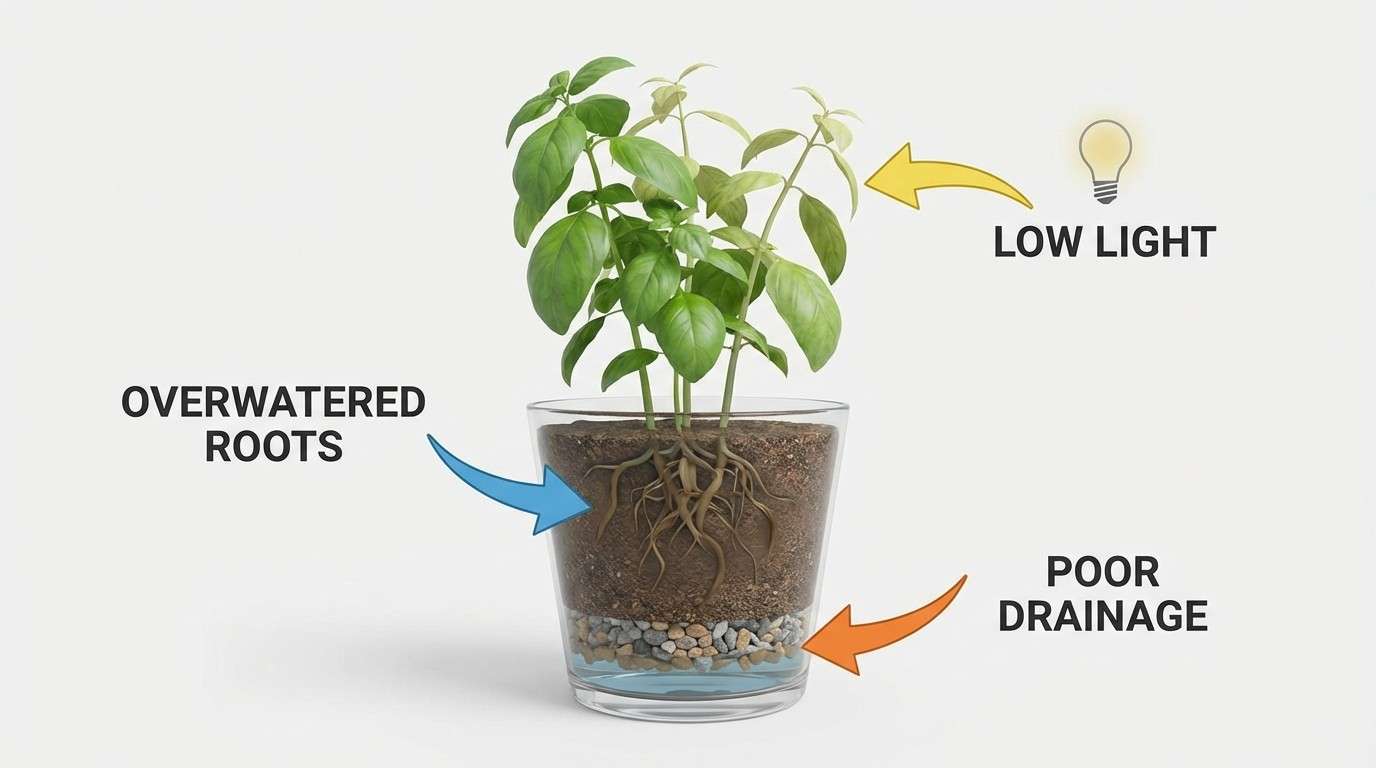
The table below gives a quick overview of the most common problems and their solutions. This will help you quickly identify what might be going wrong in your setup.
| Problem | Cause | Quick Fix |
|---|---|---|
| Yellow leaves | Overwatering | Reduce watering frequency |
| Wilting | Underwatering or root damage | Check soil moisture |
| No growth | Lack of light | Increase light exposure |
| Root rot | Poor drainage | Improve soil and pot drainage |
Problem 1: Overwatering
Overwatering is the most common reason basil plants die indoors. Many people assume basil needs constant moisture, but too much water suffocates the roots and leads to rot.
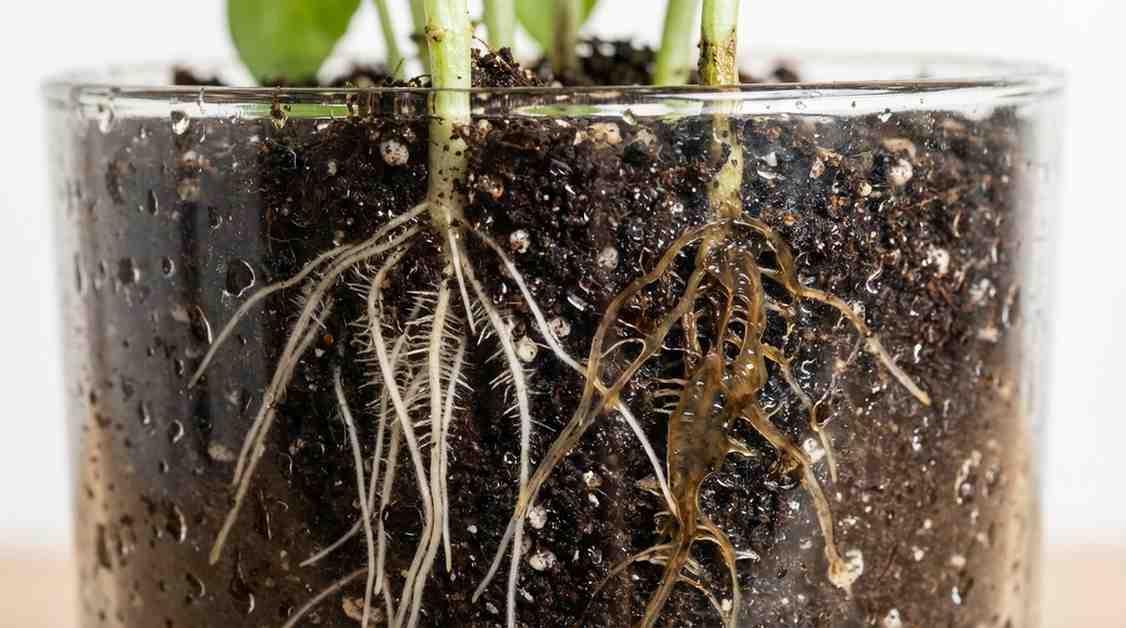
In indoor conditions, soil dries more slowly than outdoors. This means watering too frequently can quickly create problems even if the amount of water seems small.
Understanding how overwatering affects roots is important. When roots sit in wet soil for too long, they lose access to oxygen and begin to decay.
- Soil stays wet for too long
- Leaves turn yellow and soft
- Roots become dark and mushy
- Plant starts drooping even with wet soil
How to Fix Overwatering
Fixing overwatering requires adjusting both your watering routine and your soil setup. Simply watering less is not enough if the soil retains too much moisture.
The goal is to create a balance where the soil stays slightly moist but never soggy. This allows roots to breathe and grow properly.
Making these adjustments can quickly improve plant health and stop further damage.
- Water only when the top inch of soil is dry
- Use well-draining soil mix
- Ensure the pot has drainage holes
- Avoid letting water sit in trays
Problem 2: Lack of Light
Basil is a light-loving plant. Without enough light, it becomes weak, leggy, and stops growing. This is one of the biggest challenges when growing basil indoors.
Even if the plant survives in low light, it will not thrive. Growth slows down, leaves become smaller, and the plant may eventually decline.
Light is directly connected to photosynthesis, which fuels plant growth. Without sufficient light, the plant cannot produce the energy it needs.
- Thin and stretched stems
- Small or pale leaves
- Slow growth
- Plant leaning toward light source
How to Fix Low Light Issues
Improving light conditions is one of the fastest ways to revive a struggling basil plant. Even small changes in placement can make a noticeable difference.
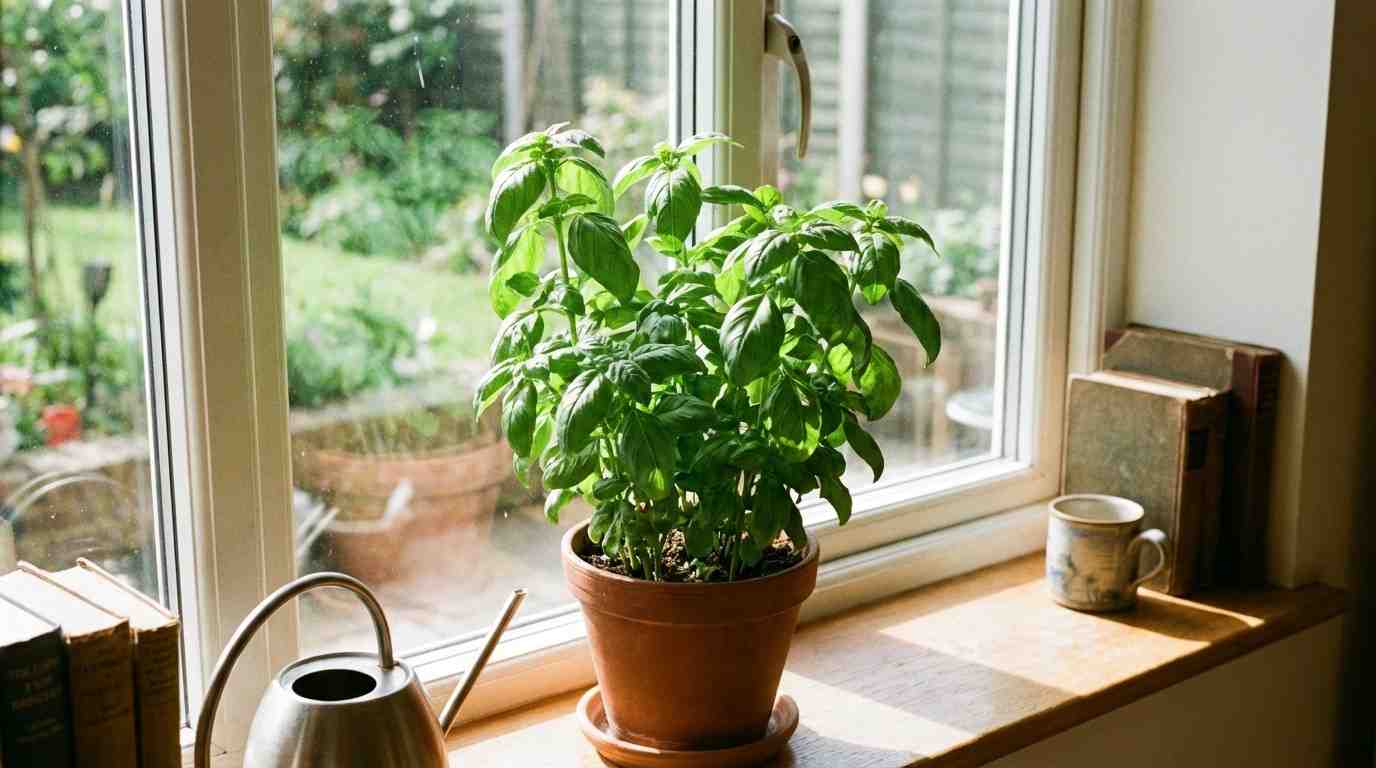
If natural light is not enough, artificial lighting can be used to create a stable growing environment.
Consistency is key. Basil needs steady light exposure every day to maintain healthy growth.
- Place plant near a bright window
- Provide 6–8 hours of light daily
- Use grow lights if needed
- Rotate plant for even exposure
Problem 3: Poor Soil and Drainage
Soil quality plays a major role in plant health. Using the wrong soil can lead to poor drainage, root rot, and nutrient deficiencies.
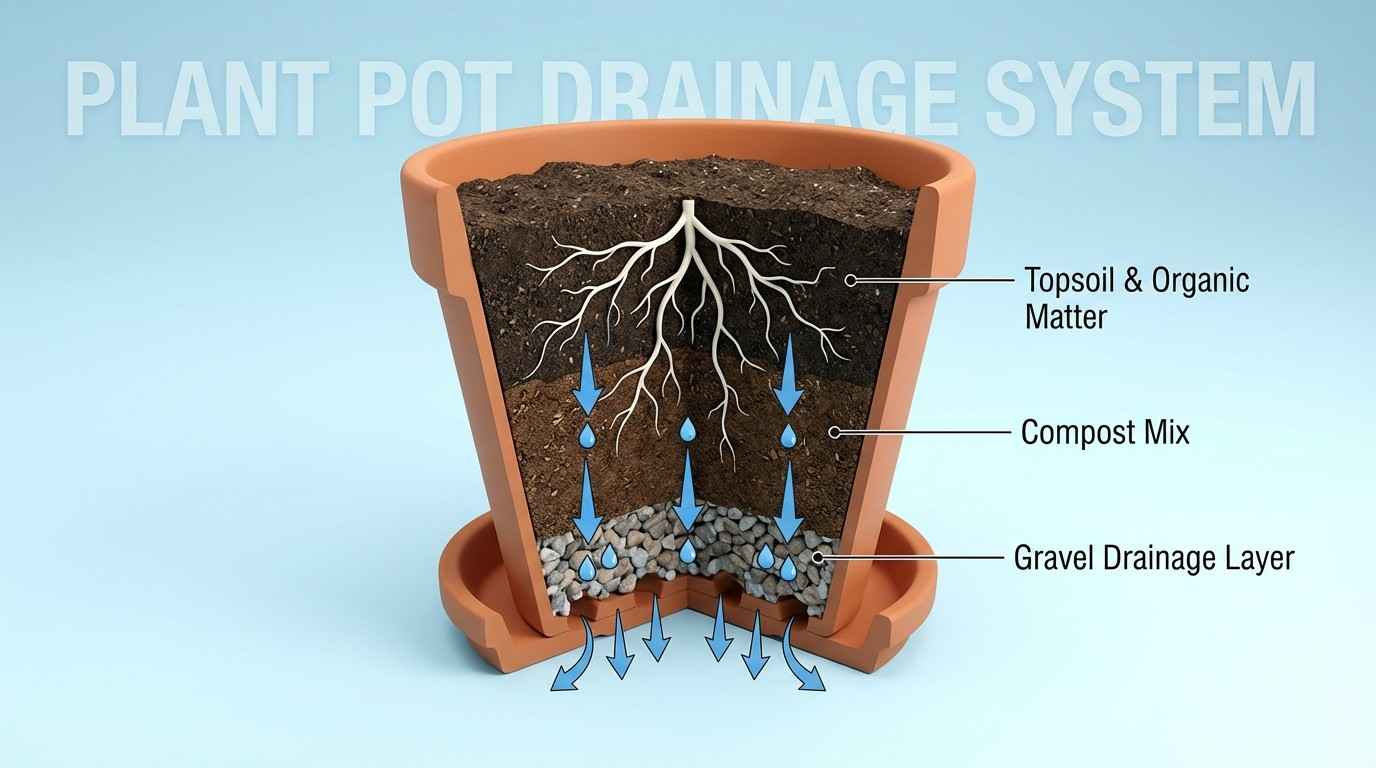
Indoor basil requires a soil mix that retains some moisture while allowing excess water to drain quickly. Heavy soil traps water and suffocates roots.
Choosing the right soil mix is one of the most effective ways to prevent multiple problems at once.
- Compact or dense soil
- Water pooling in pot
- Slow drainage
- Weak root development
Best Soil Mix for Indoor Basil
A proper soil mix creates the ideal balance between moisture retention and airflow. This helps roots stay healthy and supports consistent growth.
Simple adjustments to your soil can dramatically improve plant performance.
Using the right combination ensures that your basil receives both water and oxygen in the right proportions.
- Light potting soil
- Compost for nutrients
- Perlite for drainage
- Avoid heavy garden soil
Problem 4: Poor Air Circulation
Air circulation is often ignored when growing basil indoors, but it plays a crucial role in plant health. In natural outdoor environments, plants are constantly exposed to moving air, which helps strengthen stems and prevent moisture buildup on leaves. Indoors, air can become stagnant, especially in closed spaces.
Without proper airflow, basil plants become more vulnerable to fungal issues, weak growth, and overall stress. Even if light and watering are correct, poor air movement can still lead to decline over time.
When air remains still around the plant, moisture lingers on the leaves and soil surface for longer periods. This creates an environment where diseases and mold can develop, especially when combined with high humidity or overwatering.
- Leaves feel damp for long periods
- Weak or thin stems
- Increased chances of fungal spots
- Slow overall growth
How to Improve Air Circulation
Improving airflow does not require complicated equipment. Small changes in plant placement and room conditions can significantly improve air movement around your basil plant.
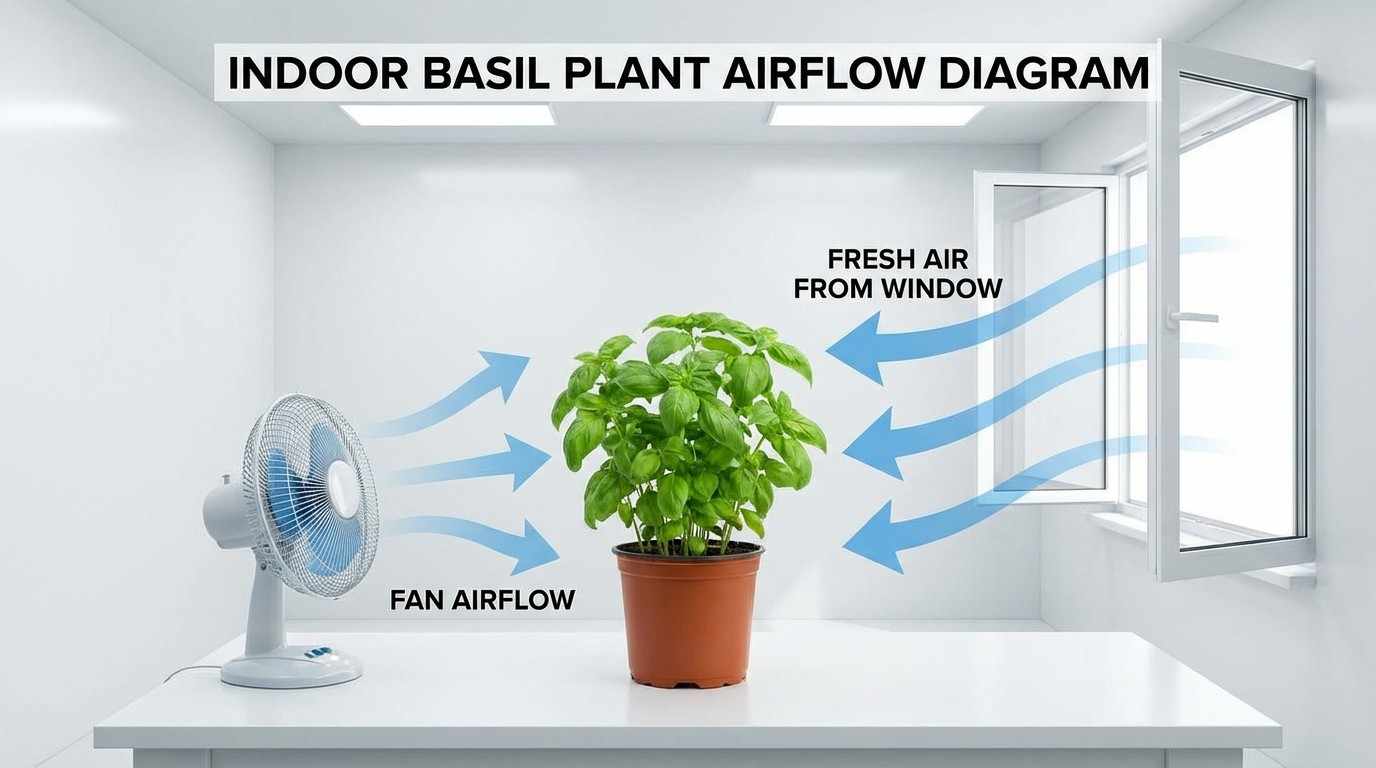
The goal is to create a gentle flow of air without exposing the plant to harsh drafts. Balanced airflow helps maintain a healthy environment and reduces the risk of disease.
Making these adjustments ensures that moisture dries properly and the plant remains strong and stable.
- Place plant near an open window occasionally
- Use a small fan for light airflow
- Avoid overcrowding plants together
- Keep space around the plant open
Problem 5: Temperature Stress
Basil is sensitive to temperature changes. Sudden drops or fluctuations can cause stress, leading to wilting, slow growth, or even plant death. Indoor environments may seem stable, but temperature can vary depending on location within the room.
Placing the plant near air conditioners, heaters, or drafty windows can create inconsistent conditions. These fluctuations disrupt the plant’s natural growth cycle and weaken its overall structure.
Maintaining a stable temperature is essential for healthy growth. Even small variations can affect how the plant absorbs water and nutrients.
- Leaves drooping suddenly
- Slow or stopped growth
- Leaf edges turning brown
- Plant stress after sudden temperature changes
How to Maintain Ideal Temperature
Creating a stable temperature environment helps basil grow consistently without stress. Most indoor spaces are suitable, but placement is key.
Avoid areas where temperature fluctuates frequently. Instead, choose a stable location where conditions remain relatively constant throughout the day.
Consistency allows the plant to focus on growth rather than adapting to environmental stress.
- Keep plant in moderate room temperature
- Avoid placing near AC vents or heaters
- Protect from cold drafts
- Maintain consistent indoor conditions
Problem 6: Improper Pruning
Many people either avoid pruning basil or do it incorrectly. Without proper pruning, the plant becomes tall and weak, and growth slows down over time. Pruning encourages bushier growth and prevents the plant from becoming leggy.
When basil is not pruned regularly, it focuses energy on vertical growth instead of producing new leaves. This leads to fewer harvests and weaker overall structure.
Understanding how and when to prune is essential for maintaining a healthy and productive plant.
- Long, thin stems
- Fewer leaves over time
- Uneven growth pattern
- Reduced overall yield
How to Prune Basil Correctly
Proper pruning helps the plant grow fuller and stronger. It also increases the number of leaves you can harvest over time.
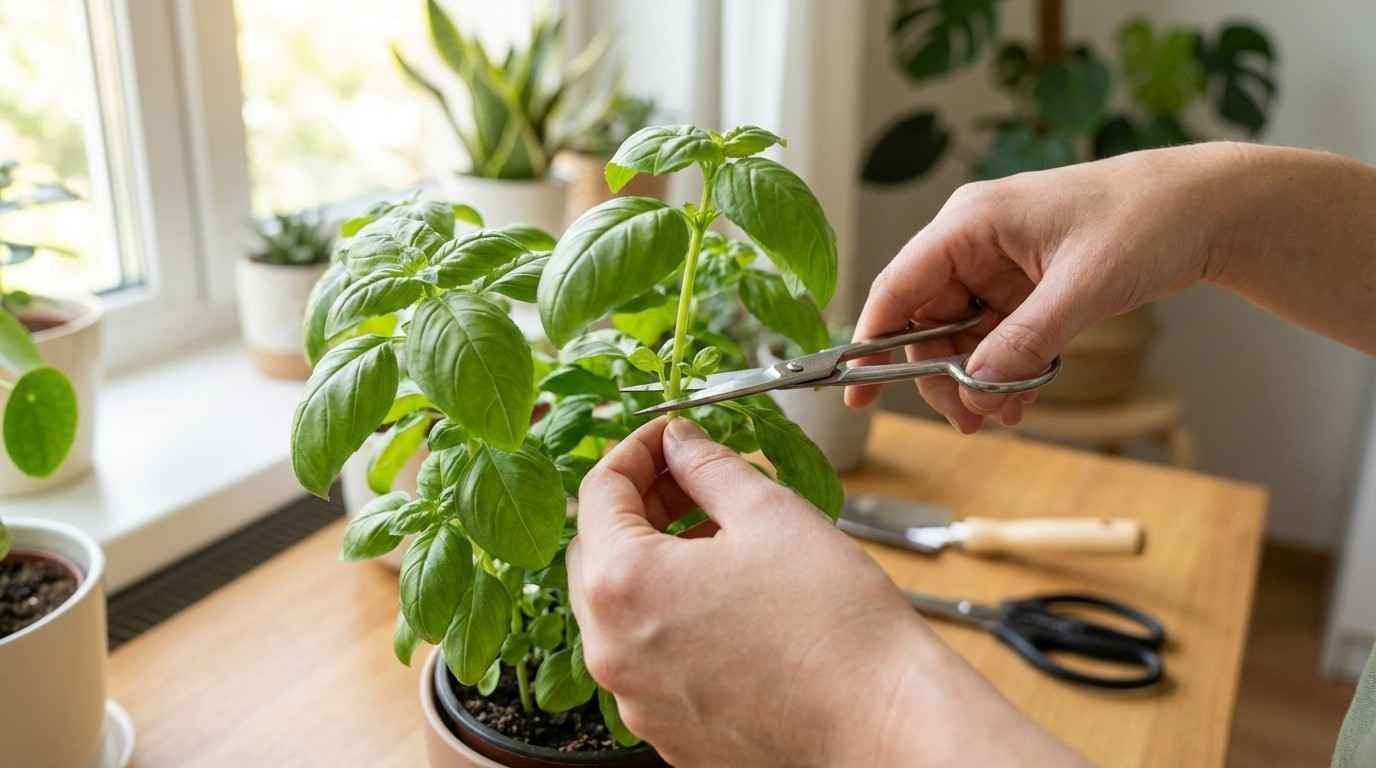
The key is to prune regularly and at the correct points on the plant. This encourages new branches to develop and improves overall shape.
Once you understand the technique, pruning becomes simple and highly effective.
- Cut just above a leaf node
- Remove top growth regularly
- Avoid cutting too much at once
- Encourage branching growth
Complete Recovery System (Step-by-Step)
If your basil plant is already struggling, you can still revive it by following a structured recovery process. Instead of fixing everything at once, focus on correcting the main issues step by step.
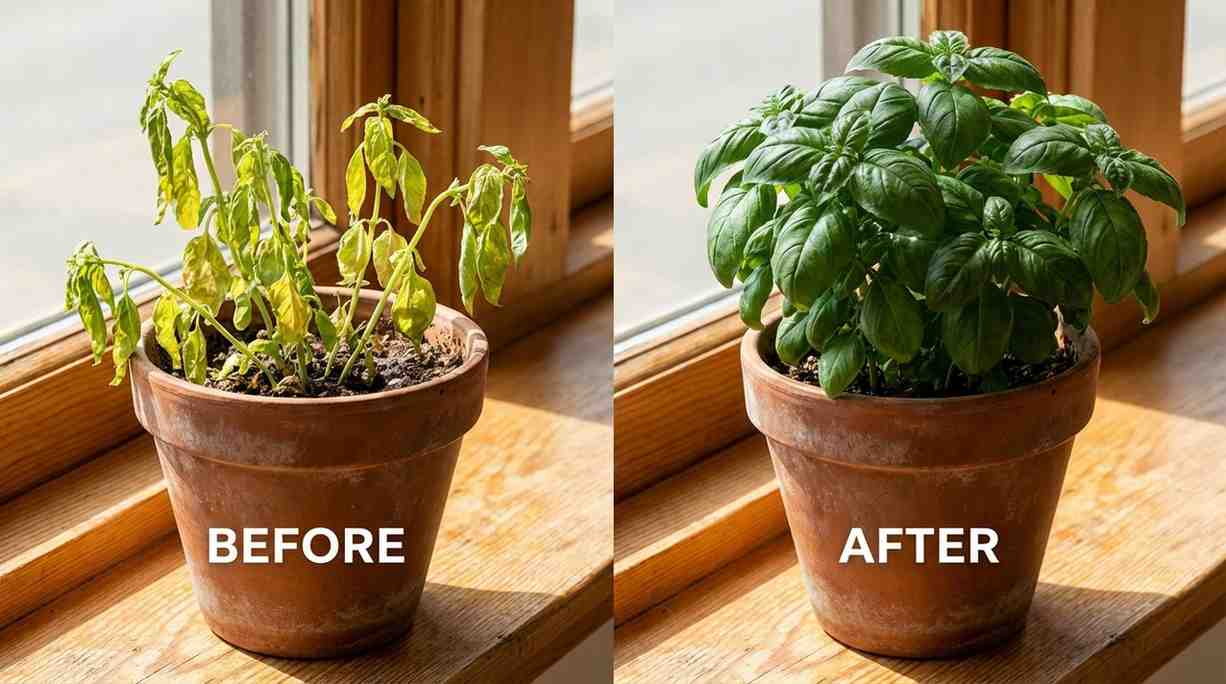
This method allows the plant to gradually recover without additional stress. Each step improves one aspect of the growing environment.
Following a clear system helps you avoid confusion and ensures consistent improvement in plant health.
- Check soil moisture and adjust watering
- Improve light exposure immediately
- Ensure proper drainage
- Improve airflow around the plant
- Trim damaged or weak parts
Advanced Tips for Long-Term Success
Once your basil plant is stable, a few advanced techniques can help maintain long-term health and productivity. These methods are simple but highly effective when applied consistently.
Instead of focusing only on fixing problems, these tips help prevent issues before they occur. This creates a more stable and reliable growing environment.
Small improvements in care can lead to noticeable differences in plant performance.
- Rotate plant regularly for even light
- Use slightly larger pots for root growth
- Maintain a consistent watering schedule
- Monitor plant regularly for early signs of stress
Final Thoughts
Basil plants do not die randomly. In most cases, the problem comes down to a few key factors such as light, water, airflow, or temperature. Once you identify and correct these issues, the plant can recover quickly and grow stronger.
The key is consistency. Basil thrives when conditions remain stable and balanced. Instead of making drastic changes, focus on small adjustments that improve the environment step by step.
With the right approach, basil becomes one of the easiest and most rewarding plants to grow indoors. A healthy plant will continue to produce fresh leaves and maintain steady growth over time.
If you’re new to gardening, starting with a mint plant is a great choice. It’s easy to grow, requires minimal care, and helps you learn the basics while building confidence as you see quick results.