
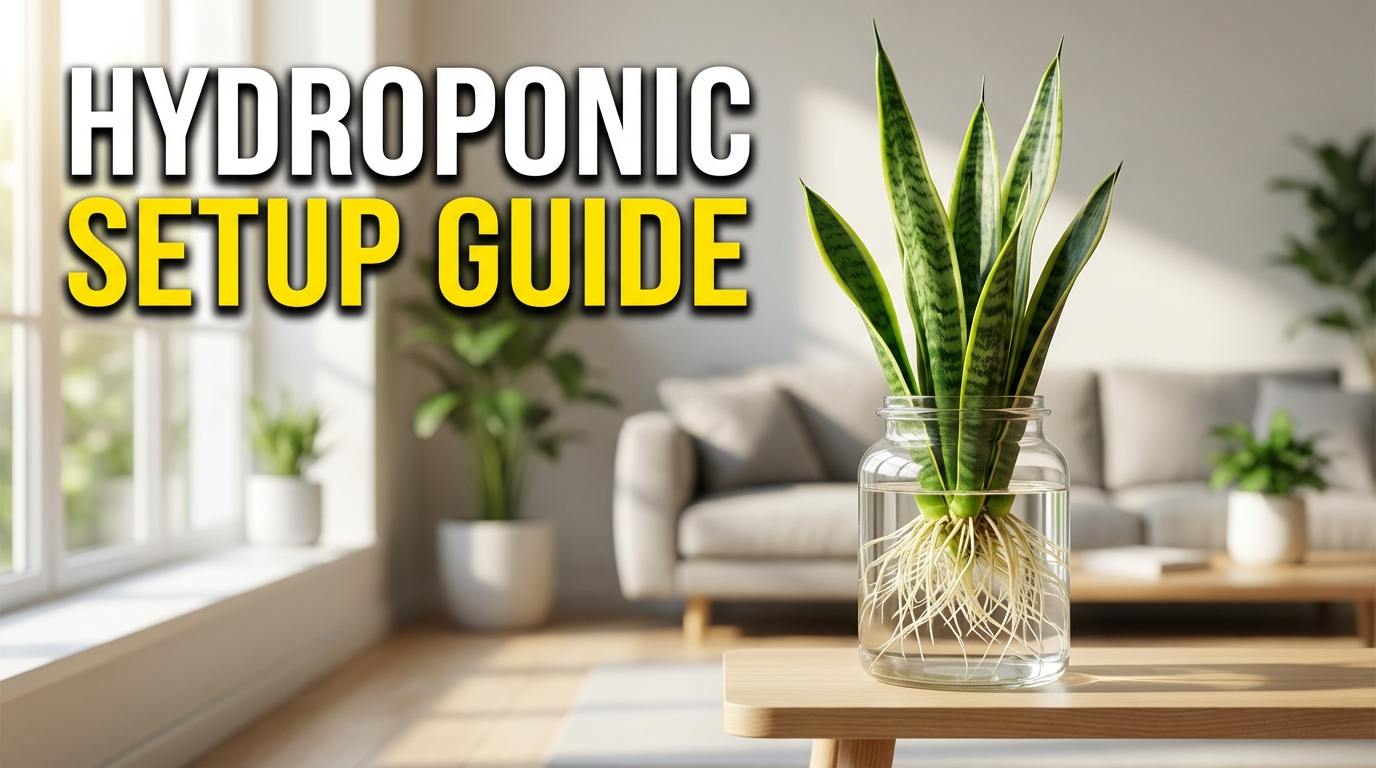
Snake plants are known for being one of the easiest houseplants to grow, but most people only grow them in soil. What many don’t realize is that snake plants can also grow in water—and not just survive, but actually thrive when set up correctly.
If you’re looking for a cleaner, low-maintenance, and modern way to grow plants, hydroponic growing is a powerful option. In this complete guide, you’ll learn how to grow a snake plant in water step by step, what works, what fails, and how to avoid common mistakes.
Can Snake Plants Really Grow in Water?
Yes, snake plants can grow in water. However, there’s an important distinction:
They don’t grow the same way as in soil.
In soil, roots expand and absorb nutrients naturally. In water, the plant develops water roots, which are different in structure and function. These roots are adapted to absorb oxygen and nutrients directly from water.
From my experience, once the plant adjusts to water, it becomes surprisingly stable and low maintenance.
Why Grow Snake Plants Without Soil?
Growing snake plants in water is not just a trend—it has practical advantages.
Benefits of Hydroponic Snake Plants
- No soil mess
- Fewer pests
- Easier monitoring of root health
- Modern, aesthetic look
- Lower maintenance once established
For indoor setups, especially in small spaces, this method works extremely well.
What You Need for a Hydroponic Setup
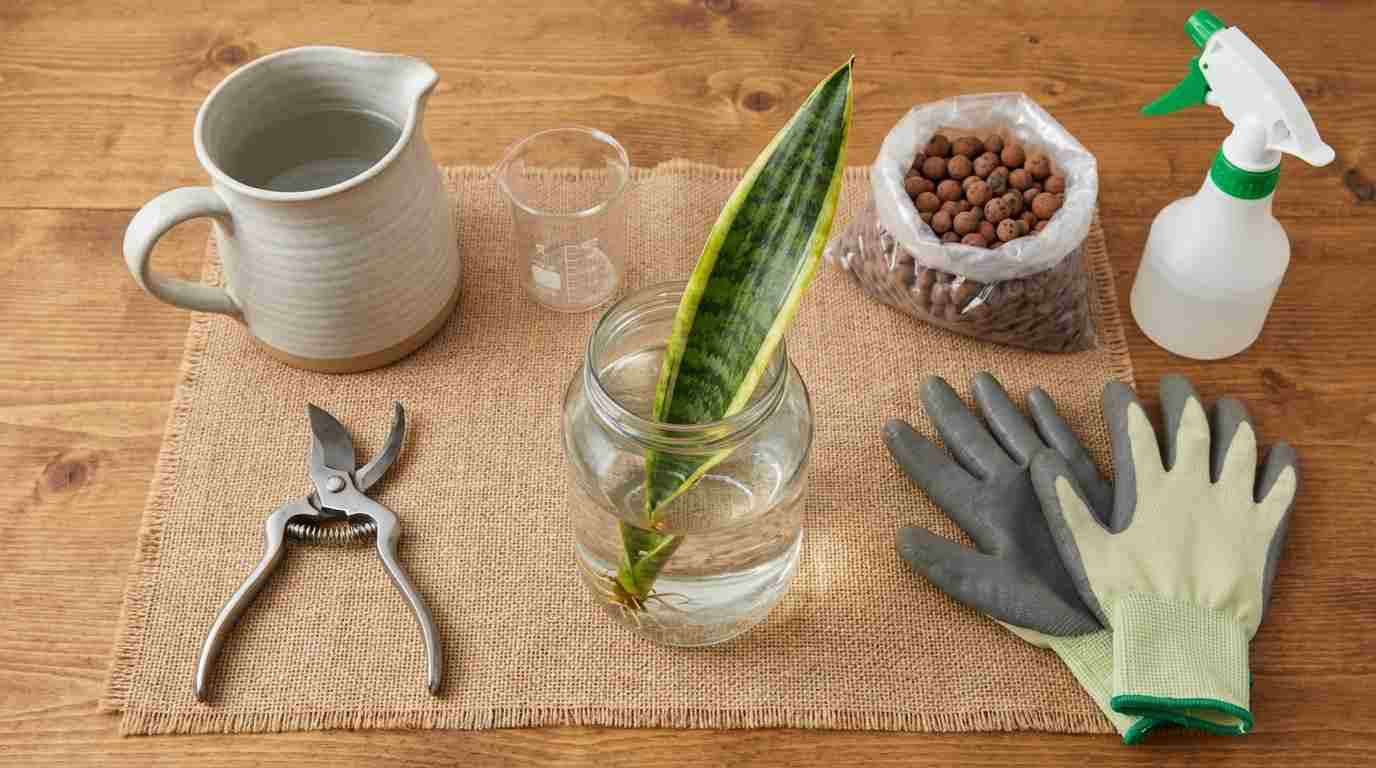
Before you start, gather the right materials. A simple setup works best.
Basic Requirements
- Healthy snake plant cutting or small plant
- Glass container or jar
- Clean, chlorine-free water
- Sharp scissors or pruning tool
Optional but useful:
- Liquid nutrients (for long-term growth)
- Activated charcoal (to keep water fresh)
Keep the setup simple in the beginning. You can optimize later.
Step 1: Choose the Right Plant Cutting
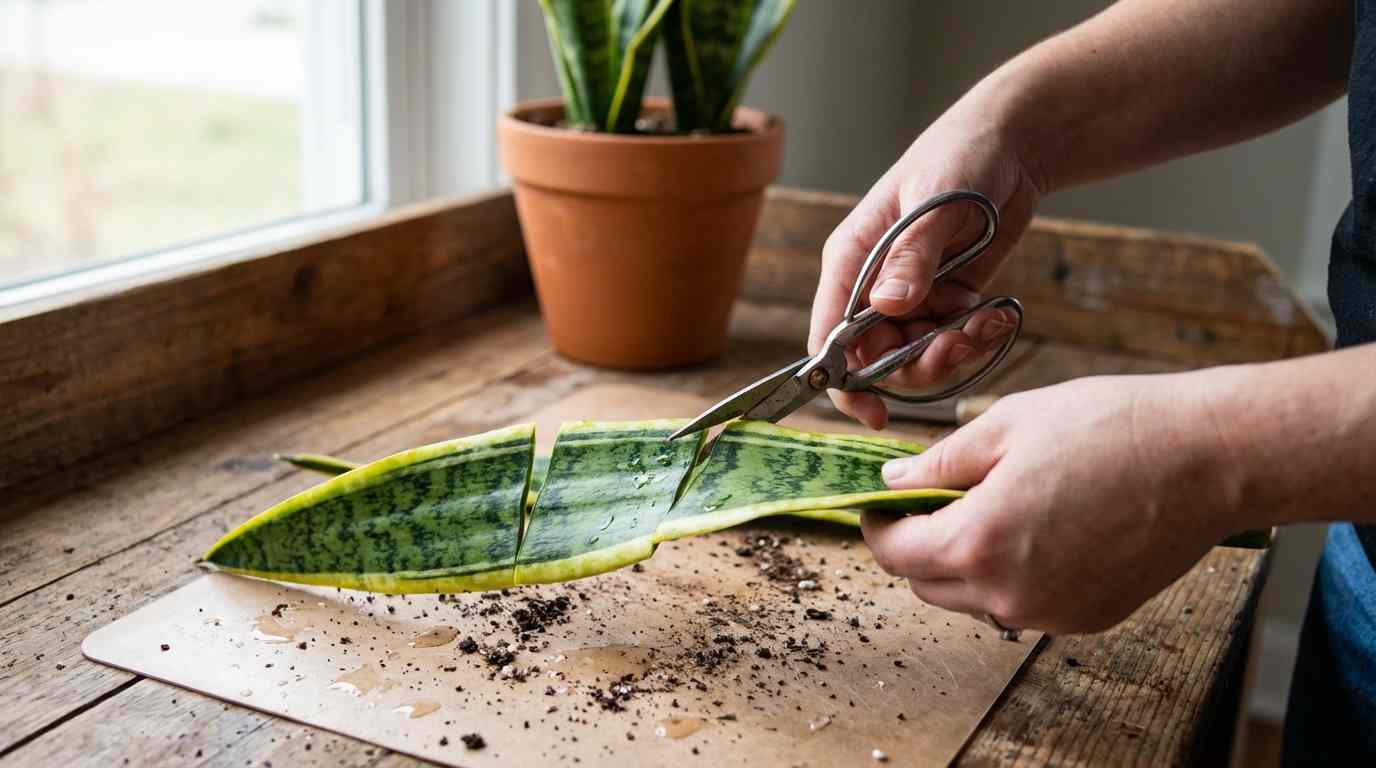
The success of your setup starts with the right cutting.
Choose a healthy leaf:
- Thick and firm
- Deep green color
- No yellow or soft spots
Cut the leaf into sections (around 4–6 inches each).
Important tip:
Let the cut ends dry for 24–48 hours before placing them in water. This prevents rot.
Step 2: Select the Right Container
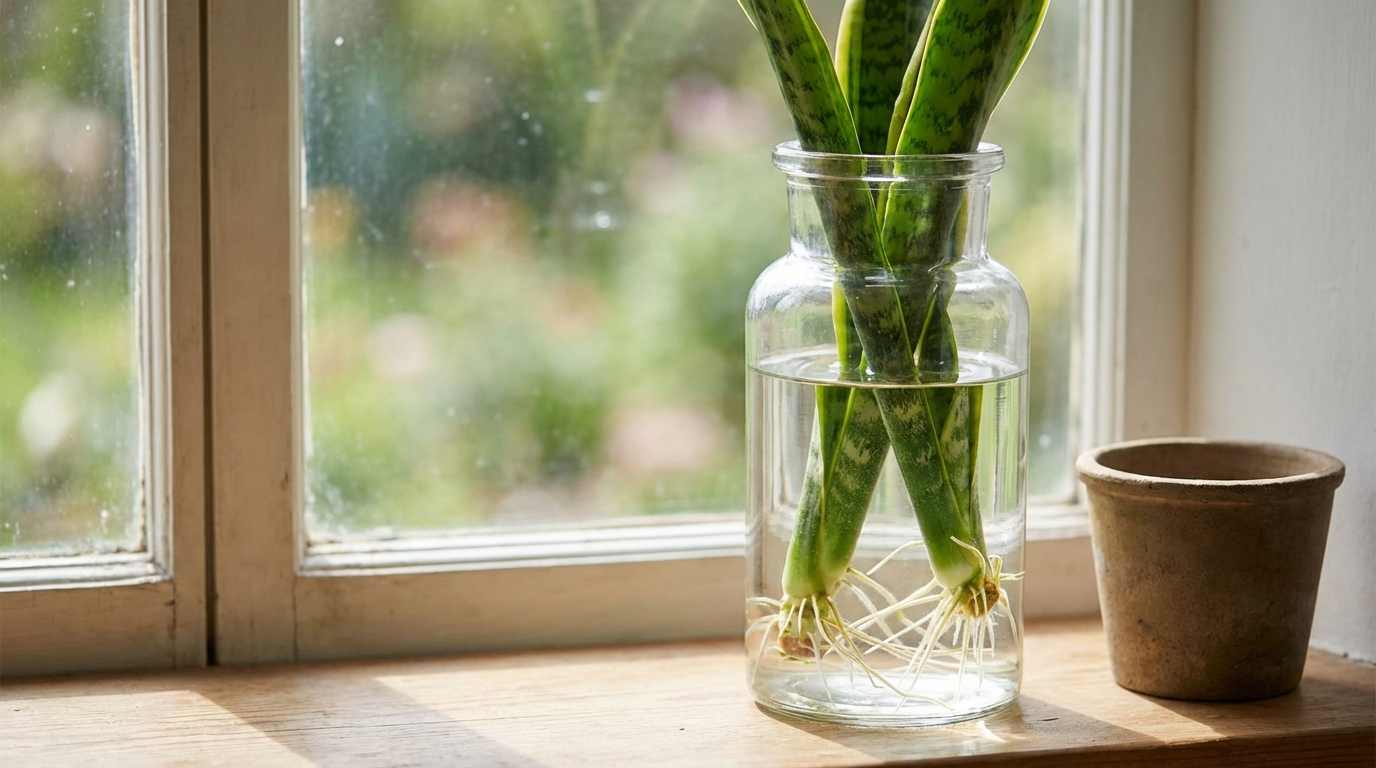
Container choice plays a bigger role than most people think.
Best Container Features
- Transparent glass (so you can monitor roots)
- Narrow neck (to support the plant)
- Clean and chemical-free
A glass jar works perfectly.
Avoid metal or dirty containers, as they can affect water quality.
Step 3: Add Water Properly
Fill the container with clean water, but don’t submerge the entire leaf.
Only the bottom portion should be in water.
Key Rule:
- Keep about 1–2 inches of the cutting in water
- The rest should stay dry
If too much of the leaf is submerged, it can rot.
Step 4: Place in the Right Location

Light is critical for success.
Snake plants can tolerate low light, but for water growing, they need better conditions.
Ideal Placement
- Bright, indirect light
- Near a window but not in harsh sunlight
Direct sunlight can heat the water and damage the plant.
From my experience, a well-lit indoor spot works best.
Step 5: Wait for Root Development
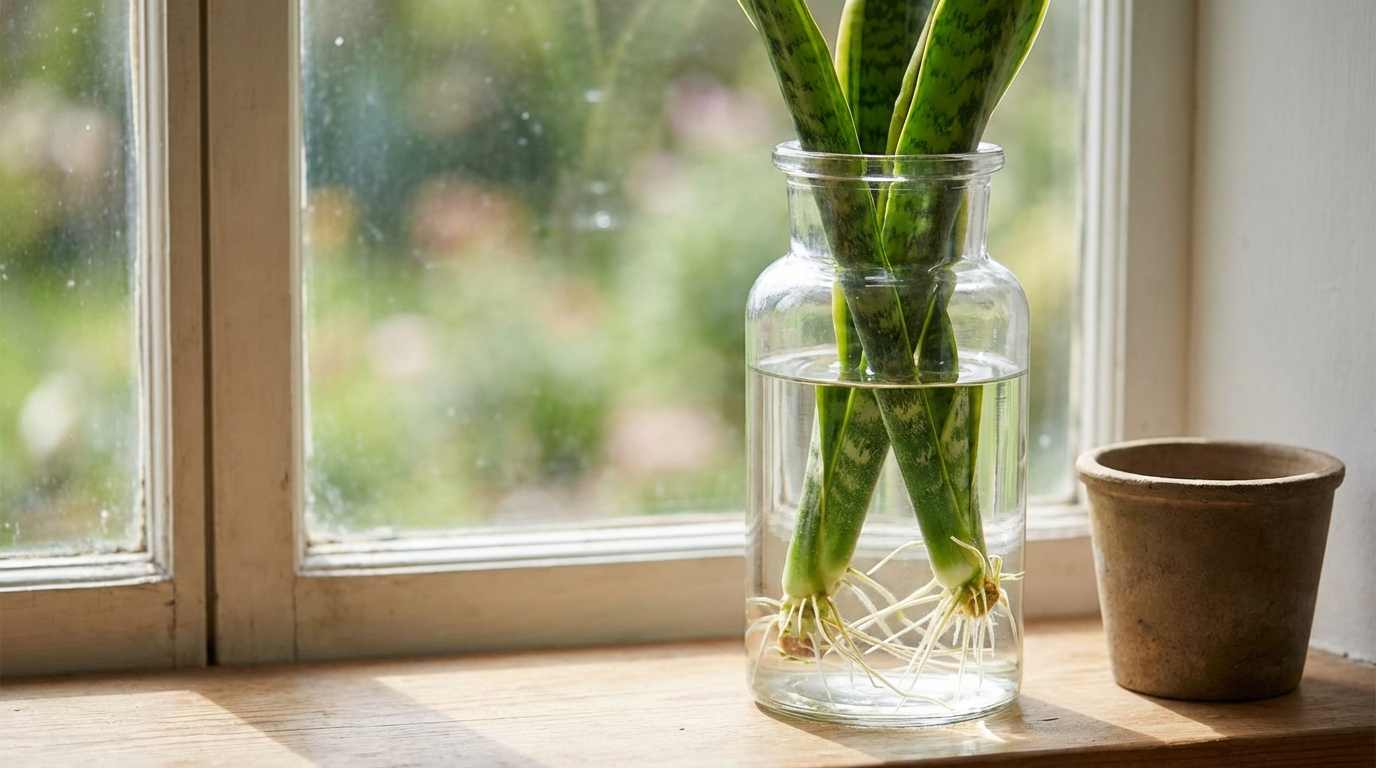
This is where patience is required.
Roots usually start forming within:
- 2 to 4 weeks
You’ll notice small white roots emerging from the base.
Do not disturb the plant during this stage.
Step 6: Maintain Water Quality
Water quality determines long-term success.
What You Should Do
- Change water every 7–10 days
- Use clean, room-temperature water
- Rinse the container occasionally
Stagnant water leads to bacteria growth, which can damage roots.
Adding a small piece of activated charcoal can help keep water clean.
Step 7: Add Nutrients
Water alone can support initial growth, but for long-term development, nutrients are needed.
Use a diluted liquid fertilizer designed for hydroponics.
Important:
- Use very small amounts
- Overfeeding can damage roots
In my setup, light feeding every few weeks keeps the plant healthy.
Step 8: Transition to Long-Term Growth
Once roots are well developed, your plant is ready for long-term water growth.
At this stage:
- Roots become stronger
- Growth becomes stable
You can keep the plant in water permanently if maintained properly.
Common Mistakes to Avoid
Even though this method is simple, a few mistakes can ruin your setup.
- Submerging Too Much of the Plant – Leads to rot and decay.
- Not Changing Water – Dirty water causes bacterial growth.
- Using Weak or Damaged Cuttings – Results in slow or failed rooting.
- Too Much Sunlight – Overheats water and stresses the plant.
- Overusing Fertilizer – Damages delicate water roots.
Avoiding these mistakes will significantly increase your success rate.
My Personal Experience with Hydroponic Snake Plants
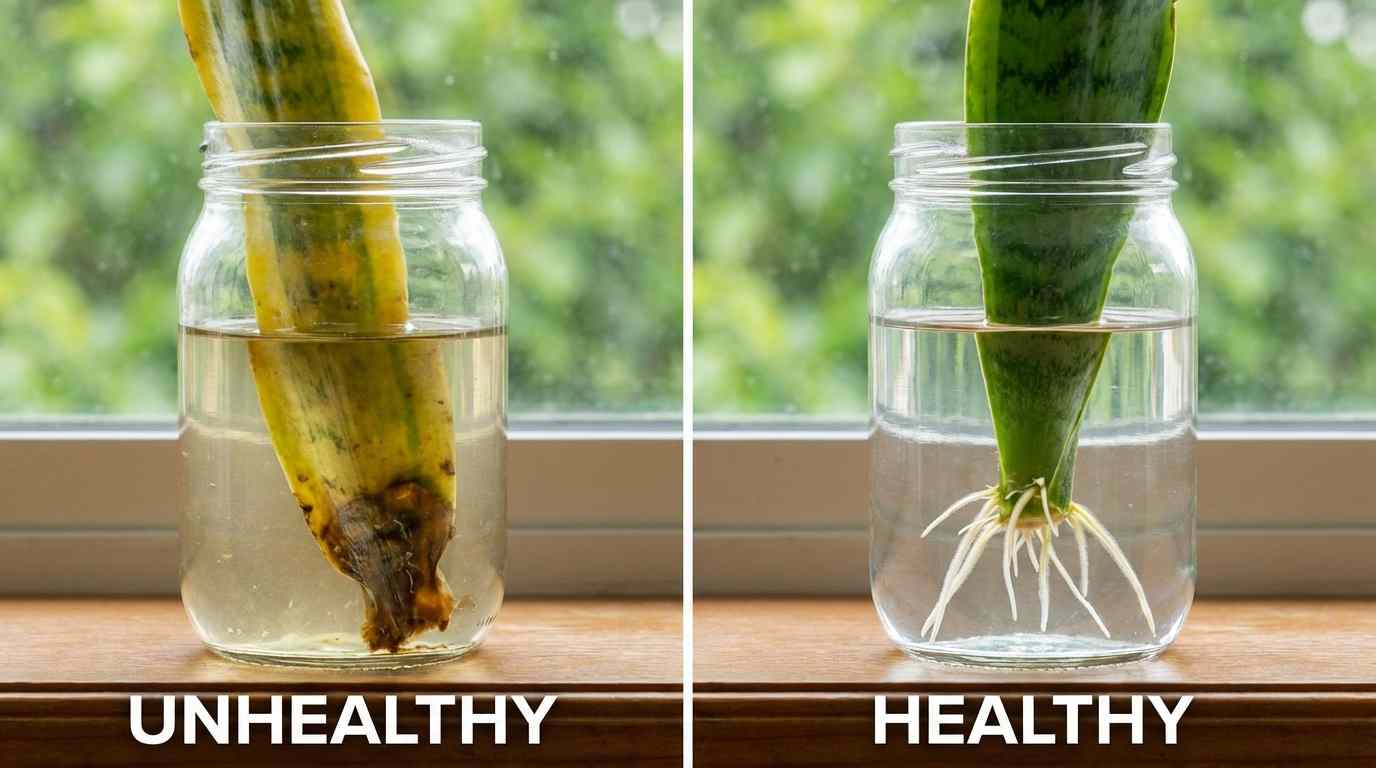
When I first tried growing a snake plant in water, I expected it to fail.
I placed a cutting in a glass jar and left it near a window. For the first two weeks, nothing happened. It looked exactly the same.
Then small roots started forming.
Over time, those roots grew longer and stronger. The plant stabilized, and maintenance became minimal.
What surprised me most was how clean and easy the setup was compared to soil.
Since then, I’ve grown multiple snake plants in water, and once the system is understood, it becomes very reliable.
Advanced Tips for Better Results
Once you master the basics, small improvements can make a big difference.
- Use Filtered Water – Reduces chemical exposure.
- Rotate the Container – Ensures even light exposure.
- Clean Roots Occasionally – Rinse gently to remove buildup.
- Keep Temperature Stable – Avoid placing near heat or cold drafts.
These adjustments improve plant health over time.
Can You Move the Plant Back to Soil?
Yes, but it requires care.
Water roots are different from soil roots. If you move the plant back to soil:
- Transition gradually
- Keep soil slightly moist initially
However, many people prefer to keep the plant in water permanently due to ease of care.
Is Hydroponic Growth Better Than Soil?
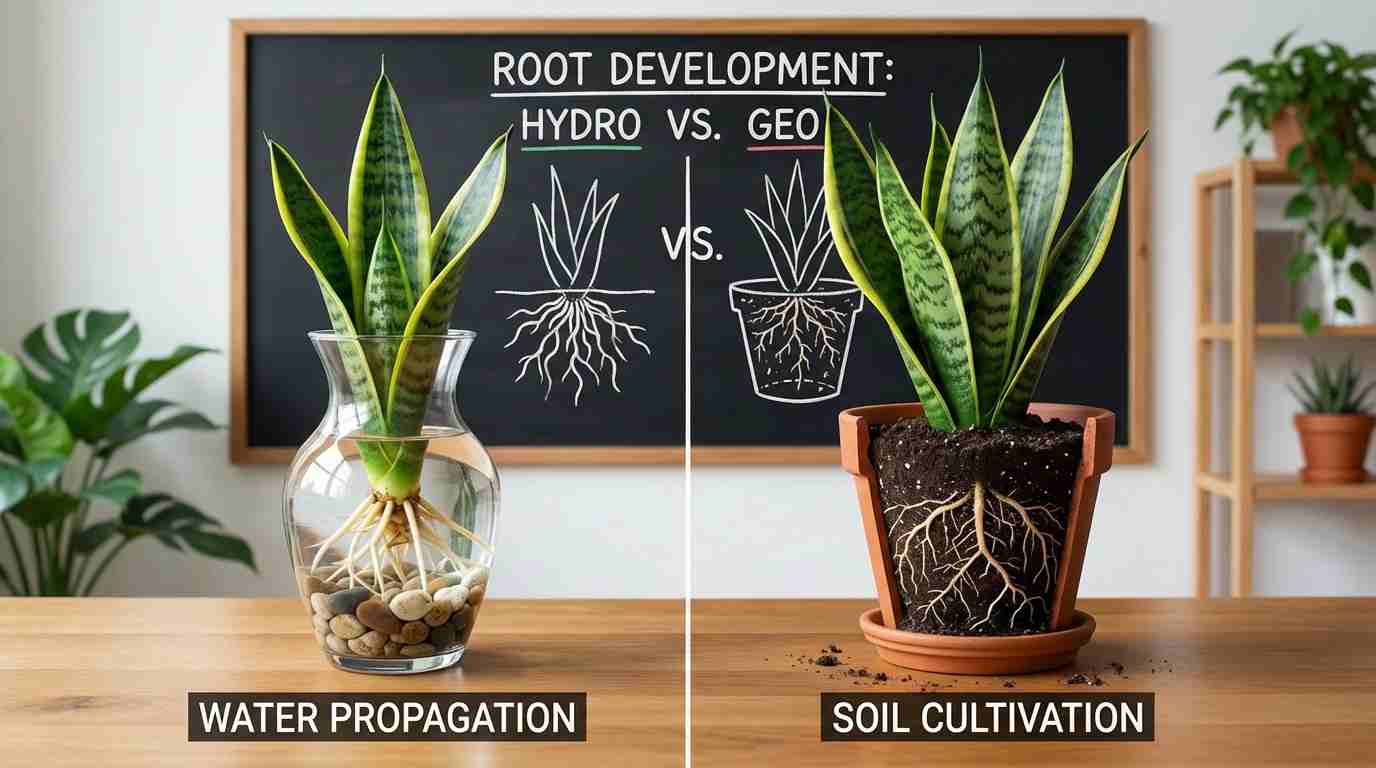
Both methods have their advantages.
Water Growing:
- Cleaner
- Easier to monitor
- Low maintenance
Soil Growing:
- Faster growth
- Stronger root system
- More natural environment
From my experience, water growing is ideal for indoor setups and aesthetic purposes, while soil is better for faster growth.
Final Thoughts
Growing a snake plant in water is not just possible—it’s surprisingly effective when done correctly.
The key is understanding how the plant adapts to water and maintaining a clean, stable environment.
Focus on:
- Proper cutting preparation
- Clean water
- Indirect light
- Regular maintenance
Once these basics are in place, your snake plant can grow successfully without soil.
And after trying this method, you’ll likely realize something simple but powerful:
You don’t always need soil to grow plants—you just need the right system.