
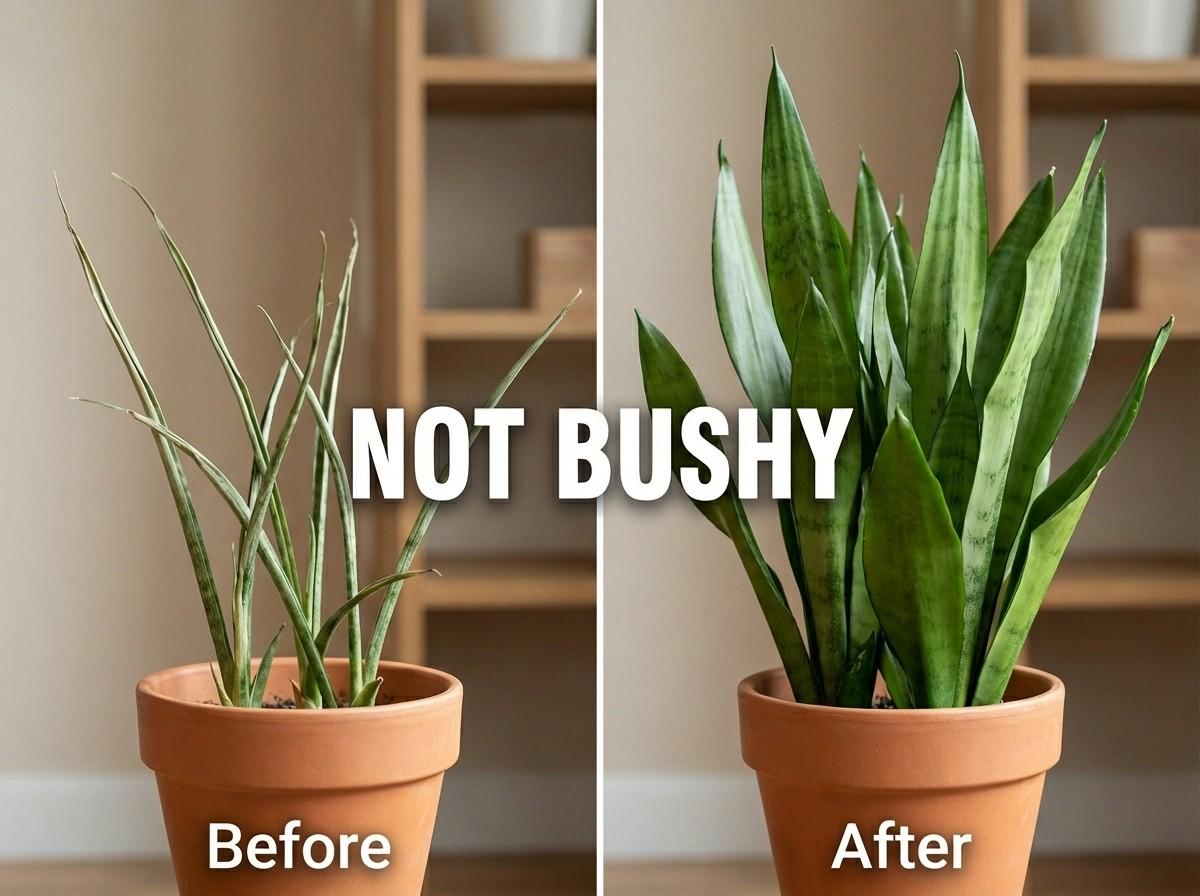
I used to think my snake plant just needed more time, but months passed and it still looked thin and uneven. After a few small changes in light, watering, and placement, I finally started seeing new growth and a fuller look.
Snake plants are known for their upright, structured look, but many people expect them to grow fuller and bushier over time. If your plant looks thin, sparse, or has only a few leaves, it can feel disappointing—especially when you’ve been taking care of it for months.
I’ve personally gone through this phase. One of my snake plants stayed tall but never filled out. It looked healthy, but not impressive. After adjusting a few key factors, it slowly started producing more shoots, and within a couple of months, it looked much fuller.
What Does a “Bushy” Snake Plant Mean?
A bushy snake plant doesn’t grow like traditional leafy plants. Instead of branching out, it produces new shoots (also called pups) from the base. The more pups it produces, the fuller and denser it appears.
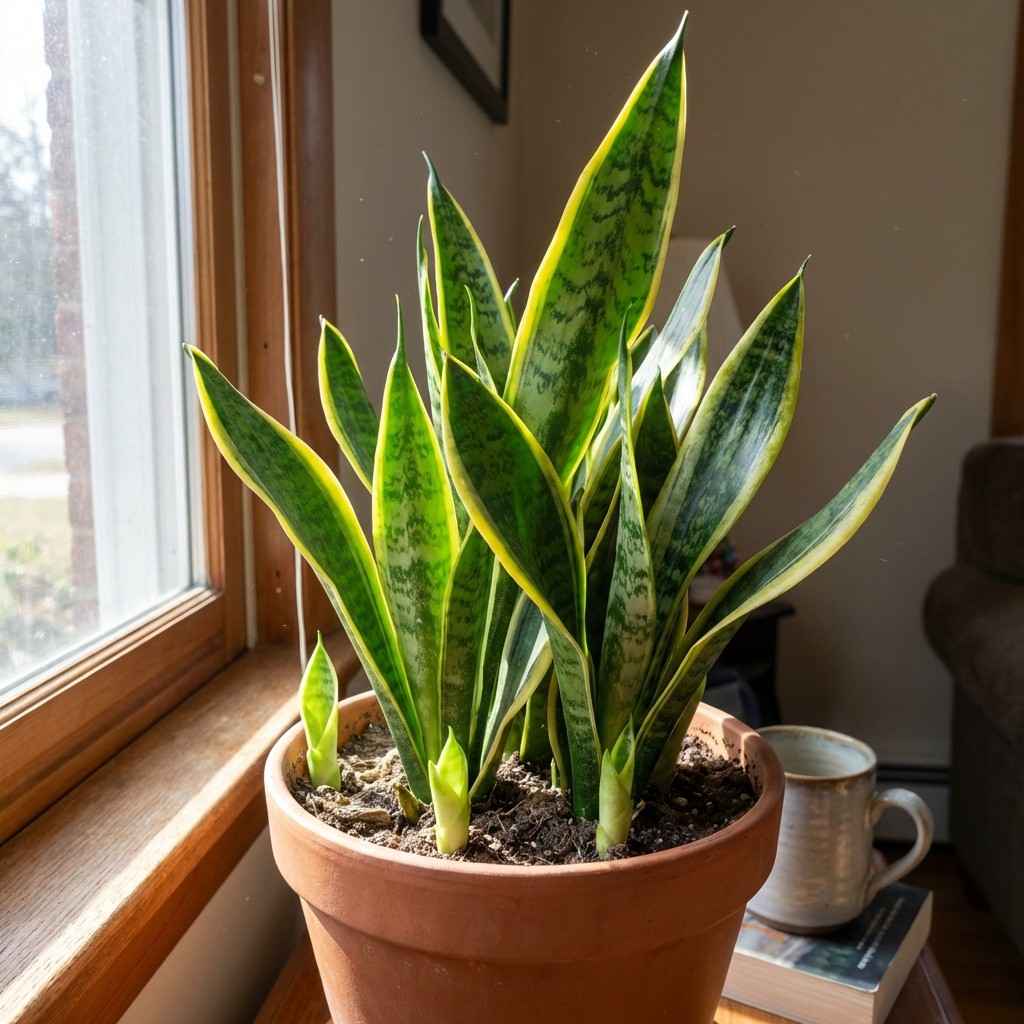
This means bushiness is not about trimming—it’s about encouraging new growth from the roots.
Main Reasons Your Snake Plant is Not Growing Bushy
There are several reasons why your snake plant may not be producing new shoots. Most of them are related to light, pot size, watering habits, and overall environment.
The table below gives a quick overview of the most common causes and how they affect growth.
| Problem | Effect | Impact on Bushiness |
|---|---|---|
| Low light | Slow growth | Fewer new shoots |
| Overwatering | Root stress | Growth stops |
| Small pot | Limited root space | No new pups |
| Poor soil | Weak roots | Reduced growth |
Problem 1: Not Enough Light
Light is one of the biggest factors affecting bushy growth. Snake plants can survive in low light, but they won’t thrive. In low light, the plant focuses on survival rather than producing new shoots.
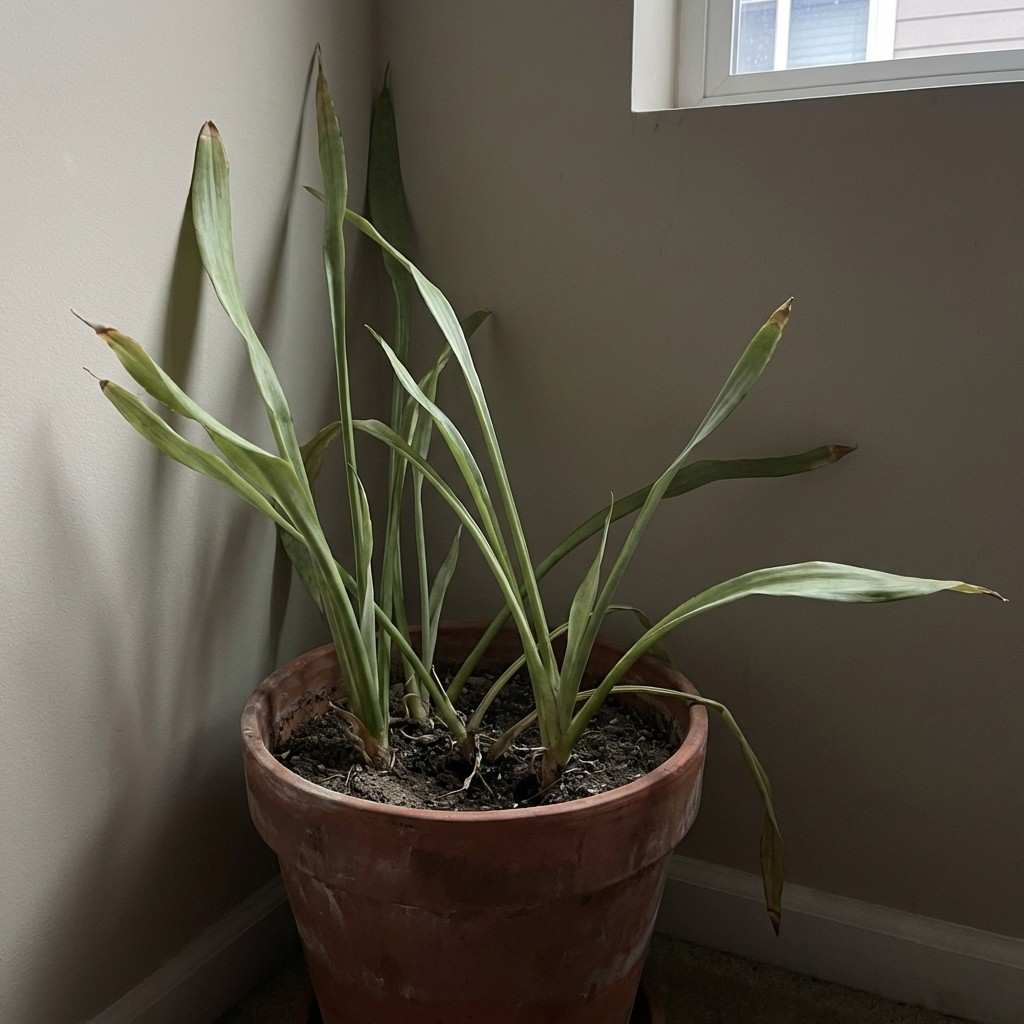
From my experience, this was the main issue. Once I moved my plant closer to a bright window, I started seeing new growth within weeks.
Without enough light, the plant simply doesn’t have enough energy to grow fuller.
- Leaves grow slowly or stop growing
- No new shoots appear
- Plant looks thin and stretched
- Color may become dull
How to Fix Light Issues
Improving light conditions is one of the fastest ways to encourage bushier growth. Even small changes in placement can make a noticeable difference.
You don’t need harsh direct sunlight. Bright indirect light works best for steady, healthy growth.

Consistency matters more than intensity.
- Place plant near a bright window
- Provide indirect sunlight for several hours
- Use grow lights if needed
- Rotate plant regularly
Problem 2: Overwatering
Overwatering is another common reason why snake plants fail to grow bushy. When roots stay wet for too long, they become stressed and stop producing new shoots.
I made this mistake early on. I thought watering more would help growth, but it actually slowed everything down.
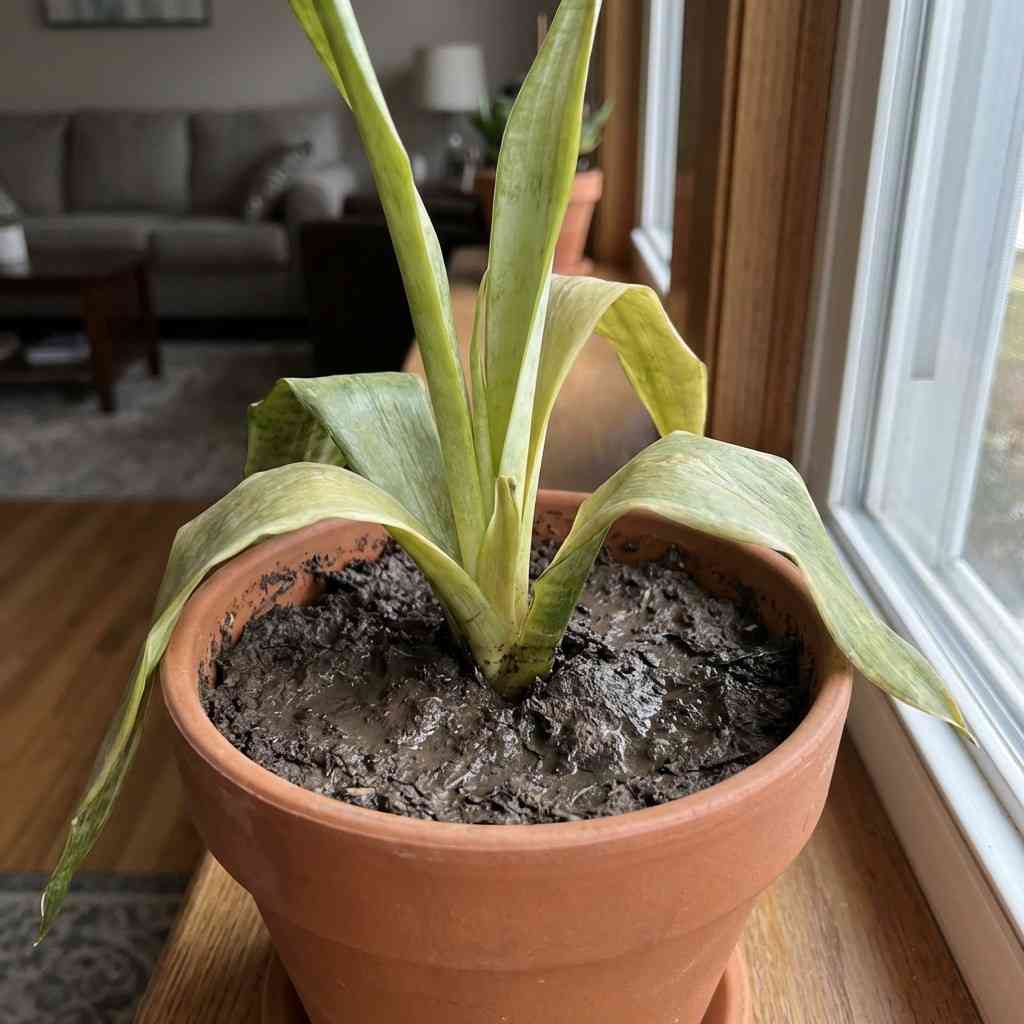
Snake plants prefer dry conditions, and too much water can do more harm than good.
- Soil stays wet for long periods
- Leaves become soft
- Growth slows down
- Risk of root rot increases
How to Fix Watering Issues
Fixing watering habits can quickly improve plant health. The goal is to let the soil dry out completely between watering sessions.
This encourages the roots to grow stronger and supports new shoot development.

Simple adjustments can make a big difference.
- Water only when soil is fully dry
- Reduce watering in low light
- Use well-draining soil
- Avoid letting water sit in trays
Problem 3: Pot Too Small
Pot size plays a major role in how your snake plant grows. If the pot is too small, roots don’t have enough space to expand, which limits new growth.
However, snake plants also prefer slightly tight pots, so balance is important.
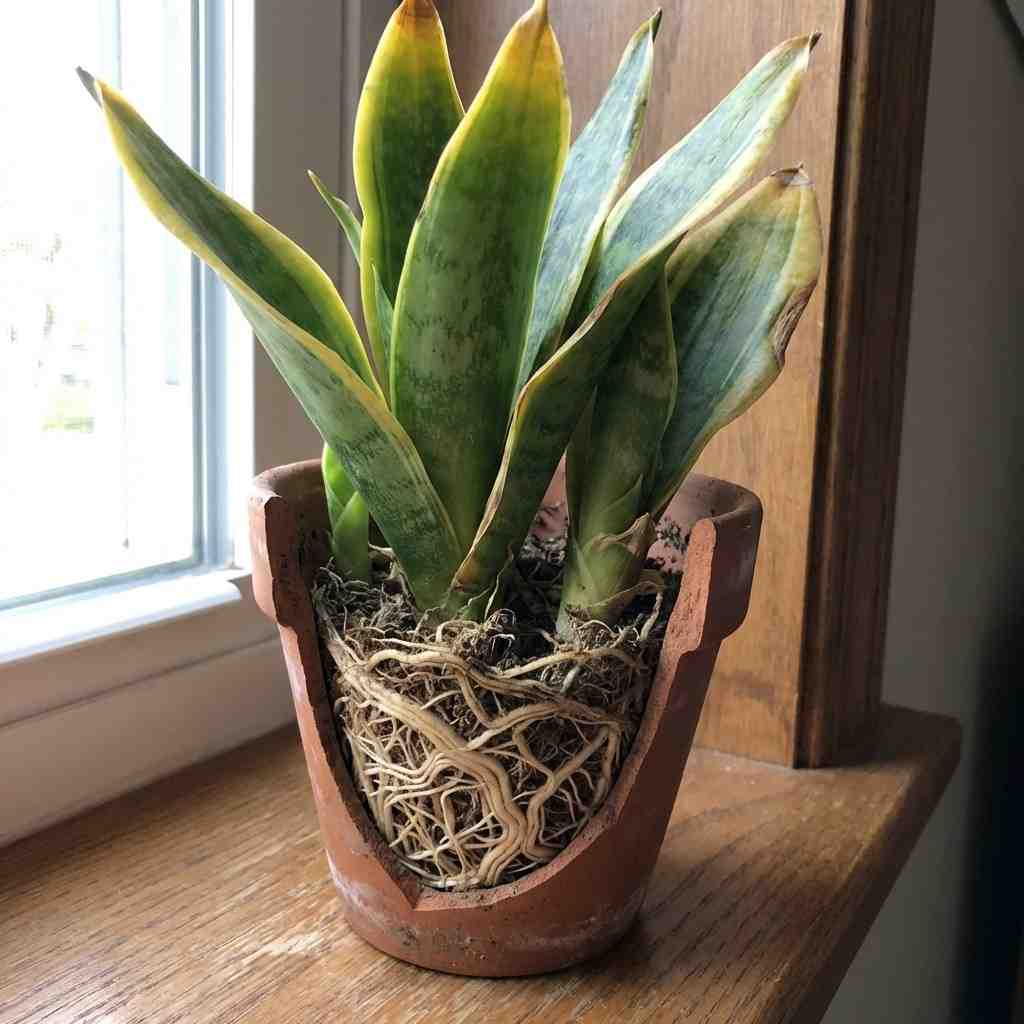
From my experience, upgrading to a slightly larger pot helped trigger new shoots.
- Roots become crowded
- No space for new growth
- Plant stops producing pups
- Growth becomes stagnant
How to Choose the Right Pot Size
Choosing the correct pot size for snake plant helps create the right balance between root support and expansion. Too small restricts growth, while too large can cause overwatering issues.

A moderate increase in size is the best approach.
This gives roots enough room without overwhelming the plant.
- Choose pot 1–2 inches larger
- Ensure drainage holes
- Avoid oversized containers
- Repot only when needed
Problem 4: Poor Soil Quality
Soil is often overlooked, but it plays a critical role in root health and overall plant growth. If the soil retains too much moisture or lacks proper aeration, roots struggle to develop properly.
In my case, switching from regular garden soil to a well-draining mix made a noticeable difference. The plant started producing new shoots within a few weeks.
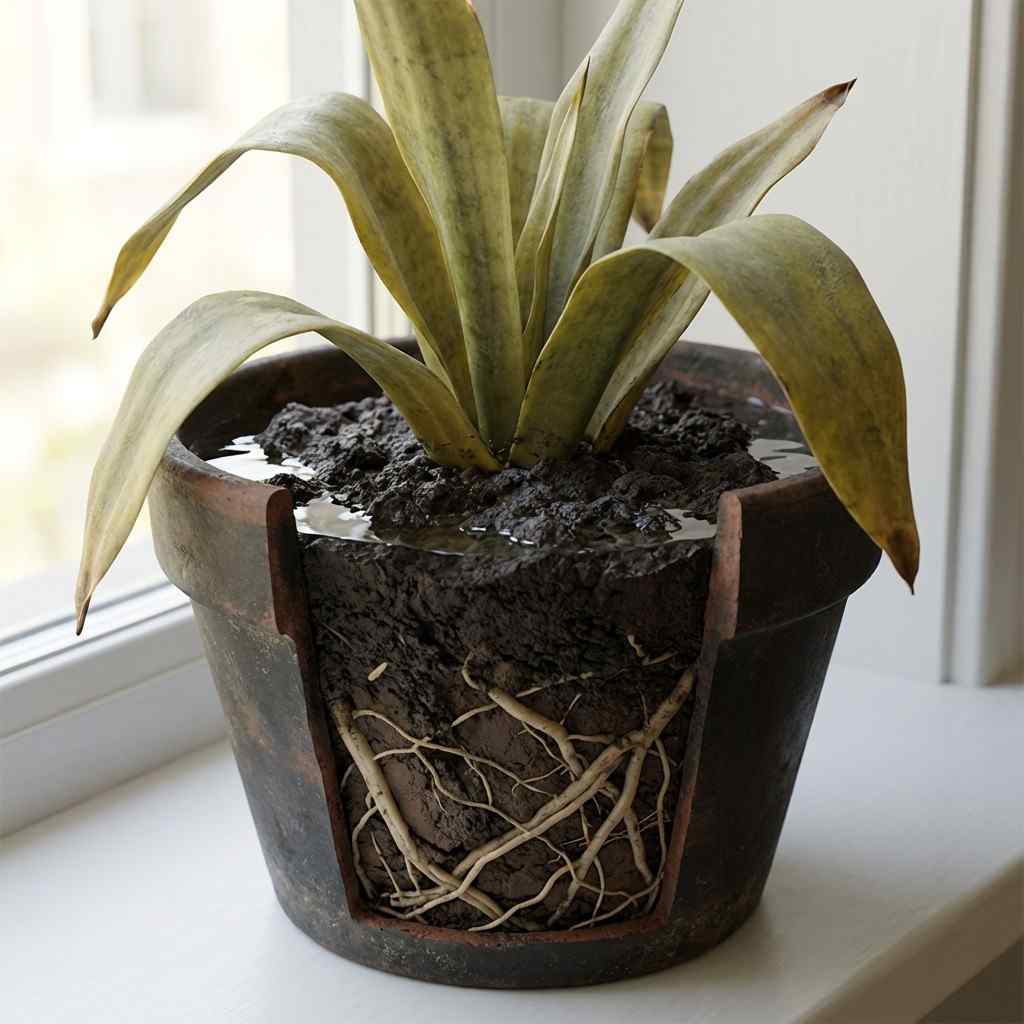
Healthy soil creates the right environment for roots to expand and support new growth.
- Soil feels heavy and compact
- Water drains slowly
- Roots lack airflow
- Growth becomes weak
Best Soil Mix for Bushy Growth
A proper soil mix allows water to drain quickly while still retaining enough moisture for the plant. This balance is essential for strong root development.
Using the right combination of materials improves both drainage and aeration.

This creates the ideal condition for new shoots to form.
- Use cactus or succulent mix
- Add perlite for drainage
- Include sand for airflow
- Avoid heavy garden soil
Problem 5: Lack of Nutrients
While snake plants don’t require heavy feeding, a complete lack of nutrients can slow growth. Without proper nutrients, the plant focuses on survival rather than producing new shoots.
I noticed that adding a mild fertilizer during the growing season helped improve growth speed and density.
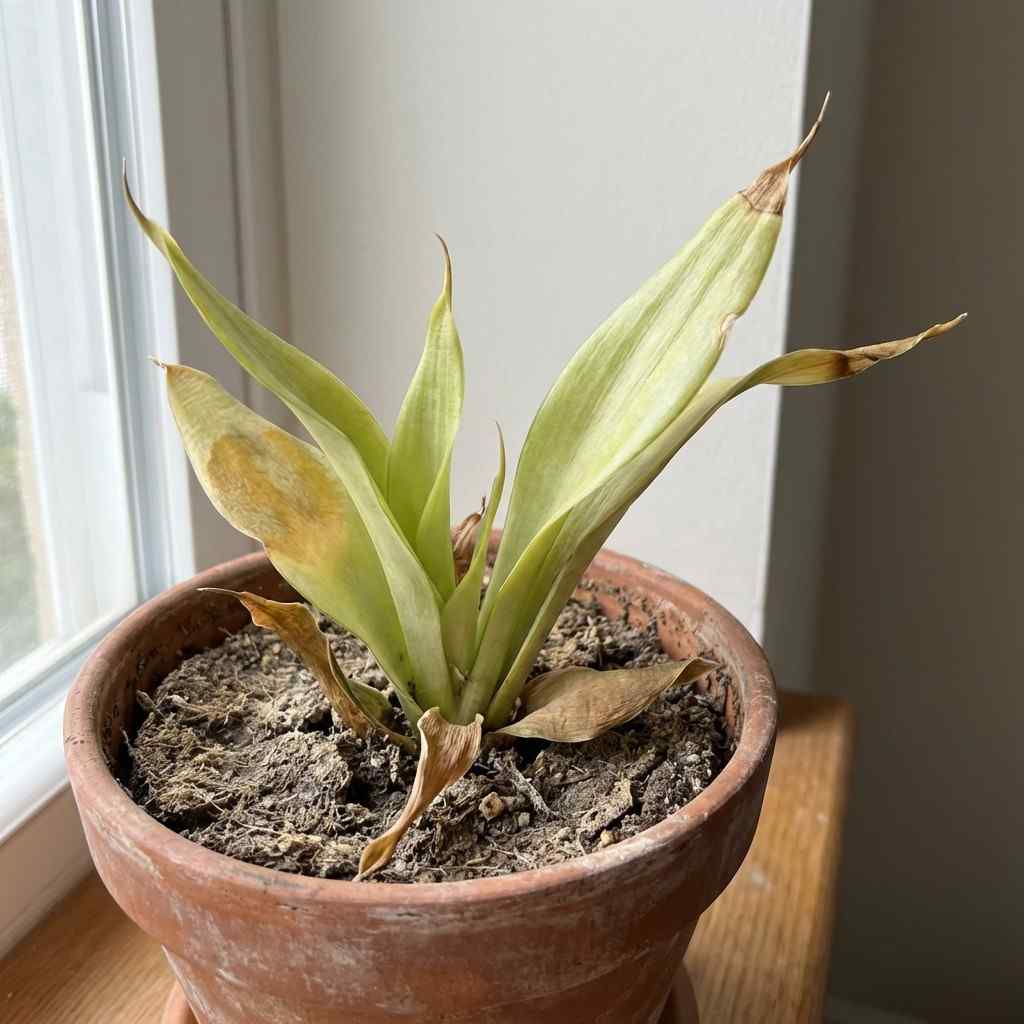
Balanced nutrition supports overall plant health and encourages bushier growth.
- Slow or no new growth
- Leaves appear dull
- Weak overall structure
- Reduced energy for new shoots
How to Feed Your Snake Plant
Feeding your plant correctly can give it the boost it needs to grow fuller. The key is moderation, as too much fertilizer can harm the plant.
A simple feeding routine works best.

Consistency is more important than quantity.
- Use balanced liquid fertilizer
- Feed once a month during growing season
- Avoid fertilizing in winter
- Do not overfeed
How to Encourage More Pups (New Shoots)
New shoots are what make your snake plant look bushy. Encouraging pup growth requires the right combination of light, space, and care.
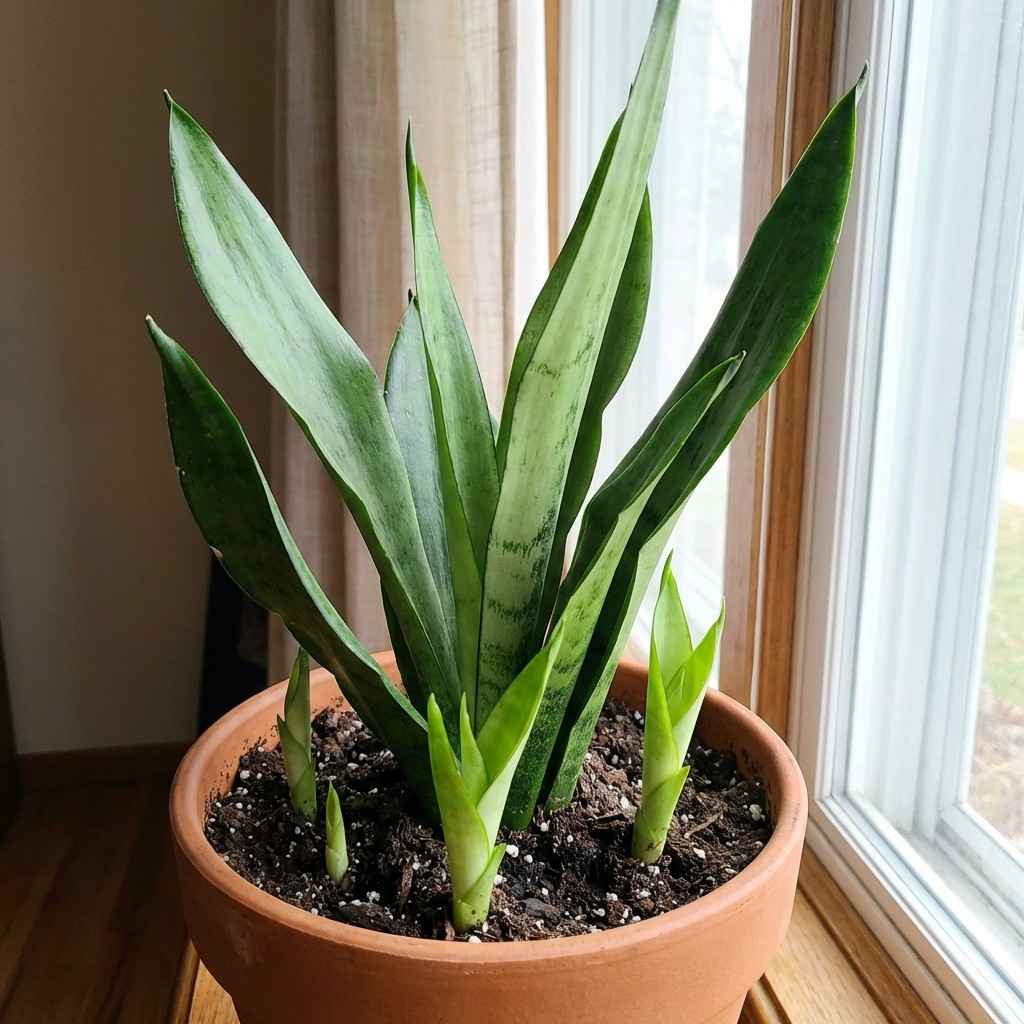
From my experience, once the plant becomes stable and healthy, it naturally starts producing more shoots.
These steps help trigger that process.
- Provide consistent bright light
- Maintain proper watering routine
- Use correct pot size
- Ensure healthy root system
My Personal Experience
At one point, I had a snake plant that looked healthy but never grew bushy. It stayed tall with only a few leaves. I tried watering more and even moving it around, but nothing changed.
The real change happened when I adjusted three things: better light, improved soil, and slightly larger pot size. Within a month, I noticed small shoots emerging from the base.
That experience taught me that bushy growth is not random—it’s a result of the right conditions.
Advanced Tips for Fuller Growth
Once your plant is healthy, a few advanced techniques can help maximize growth and maintain a fuller appearance over time.
These tips are simple but effective when applied consistently.
They help create a stable environment for continuous growth.
- Rotate plant weekly for balanced growth
- Keep leaves clean for better photosynthesis
- Monitor plant regularly for changes
- Maintain consistent care routine
Quick Summary Table
Here’s a quick summary of what affects bushy growth and how to fix it.
| Factor | Problem | Solution |
|---|---|---|
| Light | Too low | Increase indirect light |
| Watering | Too frequent | Let soil dry completely |
| Pot Size | Too small | Upgrade slightly |
| Soil | Poor drainage | Use well-draining mix |
| Nutrients | Too low | Add light fertilizer |
FAQ
Here are some common questions people have when their snake plant is not growing bushy.
Q 1. Why is my snake plant growing tall but not bushy?
This usually happens due to low light. The plant stretches upward instead of producing new shoots. Increasing light exposure can help.
Q 2. Can I prune my snake plant to make it bushier?
No, pruning does not make snake plants bushier. New growth comes from the roots, not from cutting leaves.
Q 3. How long does it take for a snake plant to become bushy?
It depends on conditions, but with proper care, you may start seeing new shoots within a few weeks to a couple of months.
Q 4. Does fertilizer really help?
Yes, but only in small amounts. Proper nutrients support growth, but overfeeding can damage the plant.
Q 5. Is repotting necessary for bushy growth?
Only if the plant is root-bound. Slightly increasing pot size can encourage new growth.
Final Thoughts
If your snake plant is not growing bushy, don’t worry. In most cases, it’s not a serious problem—it just needs better conditions.
Focus on improving light, watering habits, soil quality, and pot size. These small changes can completely transform your plant.
Once the plant becomes healthy and stable, it will naturally start producing more shoots and look fuller over time.