
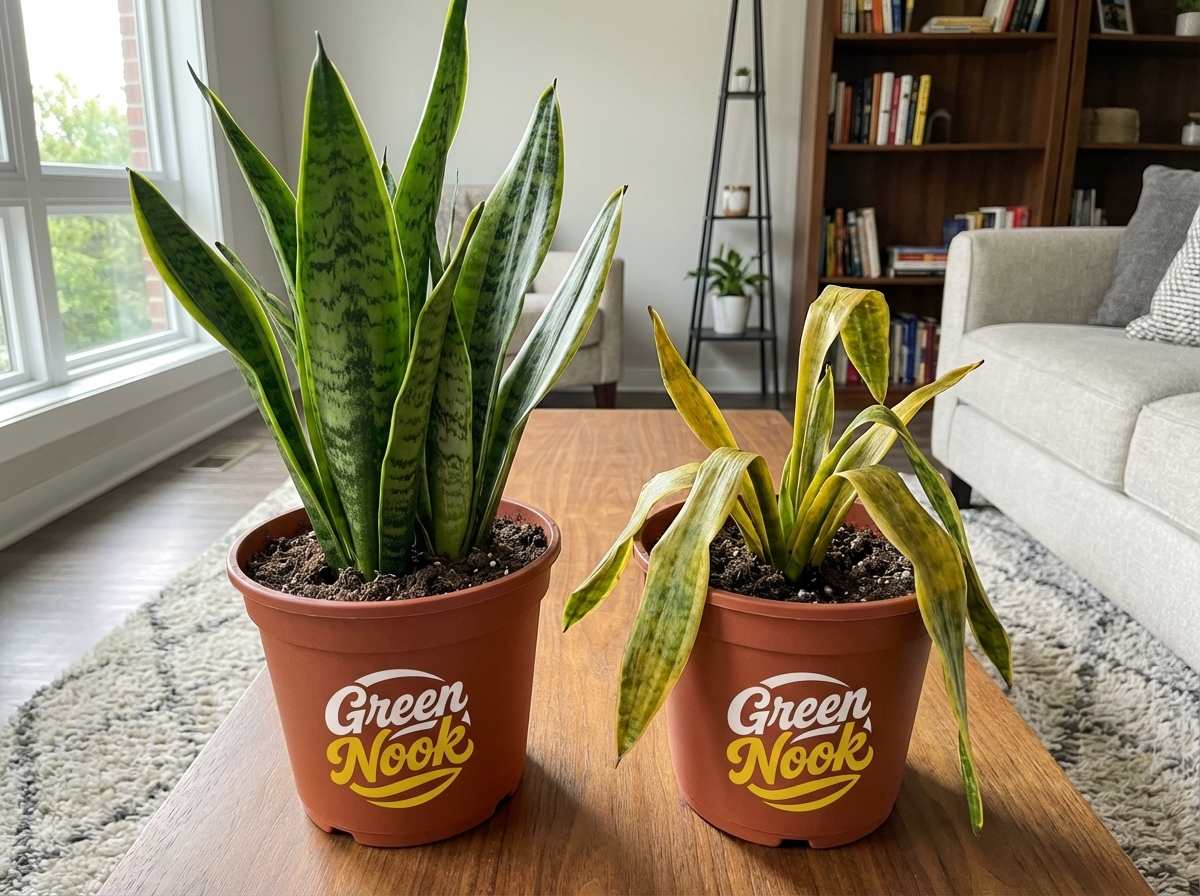
Snake plants are often called “indestructible,” which is exactly why so many people end up killing them.
It sounds ironic, but it happens all the time—especially in U.S. homes where indoor plants are treated with too much care instead of the right care.
If you’ve ever Googled “why is my snake plant dying?” or noticed yellowing leaves, mushy roots, or no growth at all, you’re not alone. The truth is, snake plants don’t just die randomly. They decline because of specific, predictable mistakes.
After more than 15 years of growing snake plants in different environments—from small apartments to controlled indoor setups—I’ve seen the same issues over and over again.
The good news?
Every one of these mistakes is fixable—if you catch it early.
Why Snake Plants Are So Easy to Mismanage
Snake plants (Dracaena trifasciata) come from dry, rocky regions of West Africa. In their natural habitat, they survive with:
- Very little water
- Harsh sunlight
- Poor soil
That means they are built for survival—not for pampering.
But here’s where most people go wrong: they treat snake plants like tropical houseplants.
They water too often, keep them in decorative pots without drainage, and place them in dark corners expecting them to thrive. Over time, these small mistakes compound—and the plant starts to decline.
Understanding this one principle will change everything:
Snake plants prefer neglect over attention.
These Mistakes Killing Your Snake Plant
Mistake #1: Overwatering
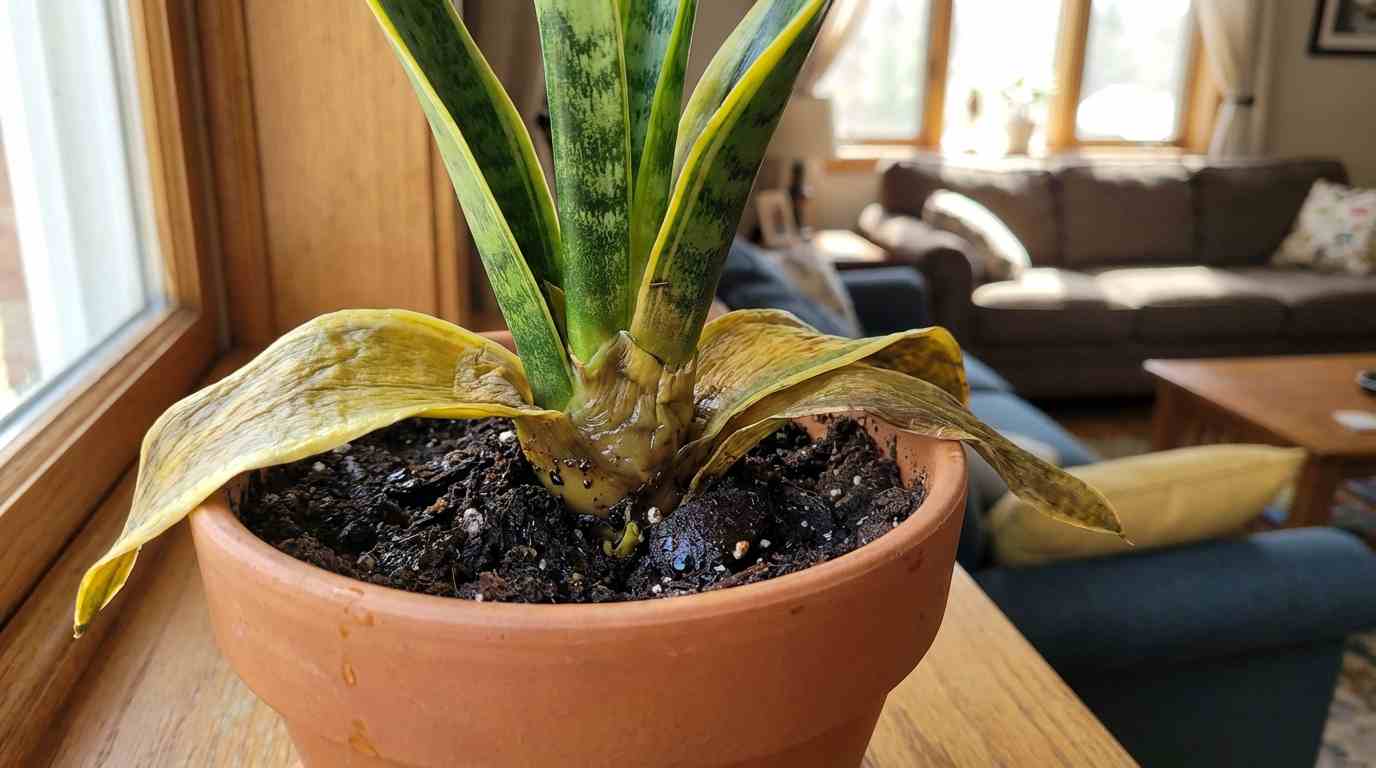
If you do nothing else wrong—but you overwater—you can still kill your snake plant.
This is by far the most common issue in indoor snake plant care across the U.S.
Snake plants store water in their thick, upright leaves. This means they don’t need frequent watering like other houseplants.
When you water too often, the roots sit in moisture for too long. Oxygen levels drop, and the roots begin to rot.
What Overwatering Looks Like:
- Yellow or translucent leaves
- Soft, mushy base
- Leaves falling over
Why It’s Dangerous:
Root rot starts underground. By the time you see visible damage, the root system is already compromised.
How to Fix It:
Let the soil dry out completely between waterings. Not just the surface—the entire pot.
A simple rule I follow:
If you’re unsure, don’t water yet.
Mistake #2: Using the Wrong Soil
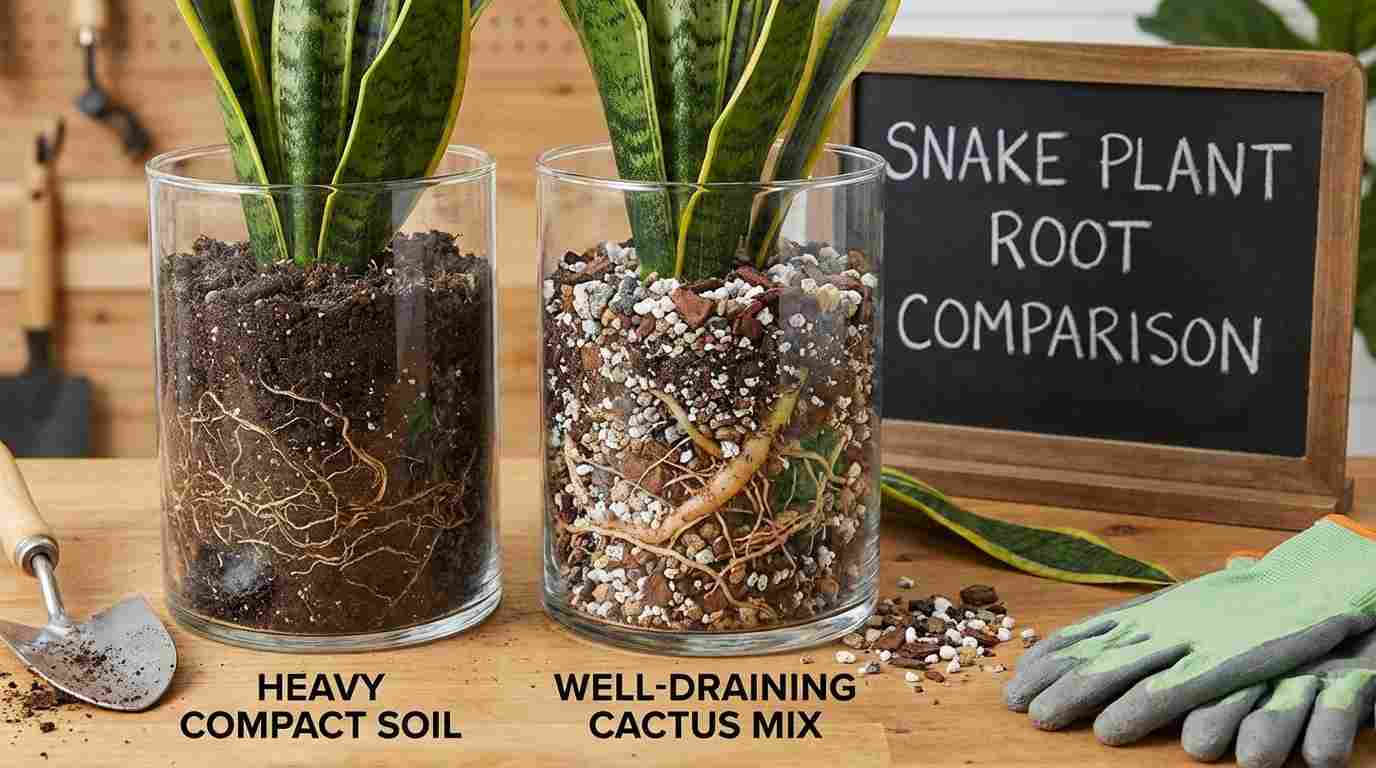
Even if your watering is perfect, the wrong soil can still kill your plant.
Snake plants need fast-draining soil. Regular potting mix holds too much moisture, especially indoors where evaporation is slower.
What Happens in Heavy Soil:
- Water gets trapped
- Roots suffocate
- Growth slows or stops
The Right Soil Mix:
Use a cactus or succulent mix. If you want better results, improve it by adding:
- Perlite
- Coarse sand
This increases aeration and reduces the risk of root rot.
From my experience, switching soil alone can completely revive a struggling plant.
Mistake #3: Pots Without Drainage
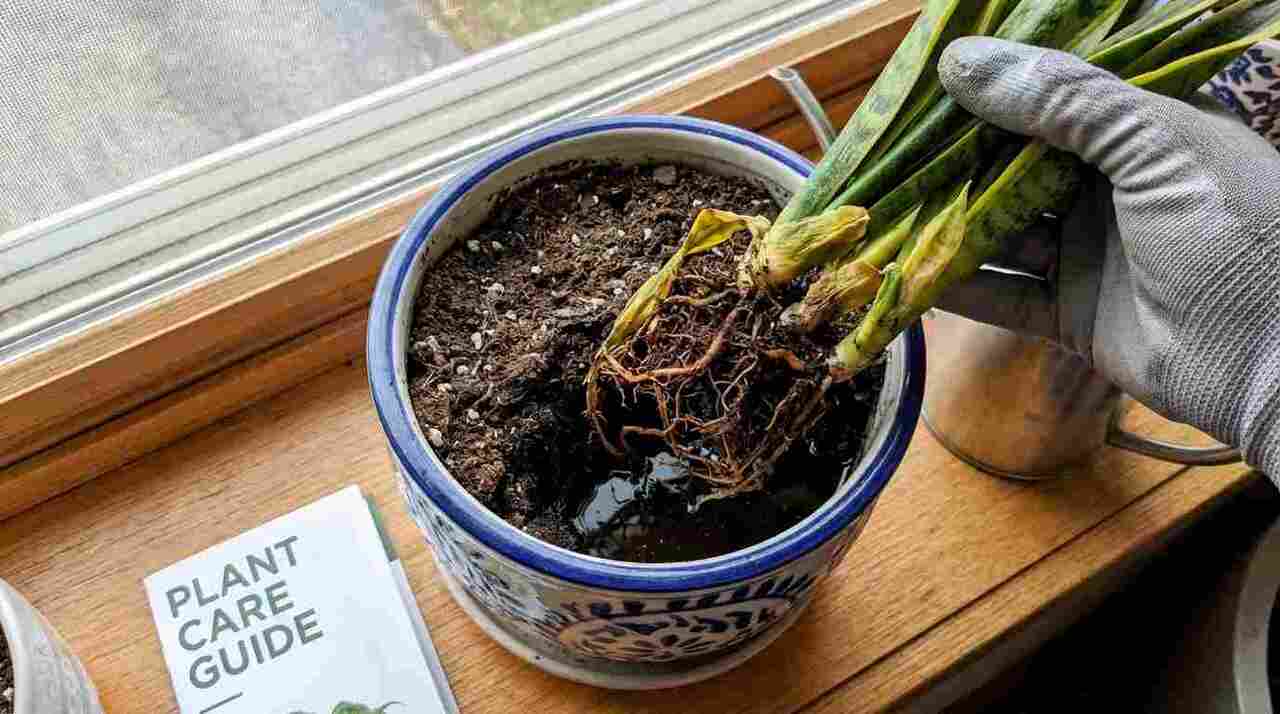
This mistake is extremely common in modern homes.
Decorative pots often don’t have drainage holes, which means excess water has nowhere to go.
What Happens:
Water collects at the bottom, creating a constantly wet environment for roots.
The Result:
Even if you water correctly, your plant still develops root rot.
The Fix:
Always use pots with drainage holes.
If you prefer decorative planters, place your plant in a plastic nursery pot inside the decorative container. This gives you both style and functionality.
Mistake #4: Watering on a Schedule
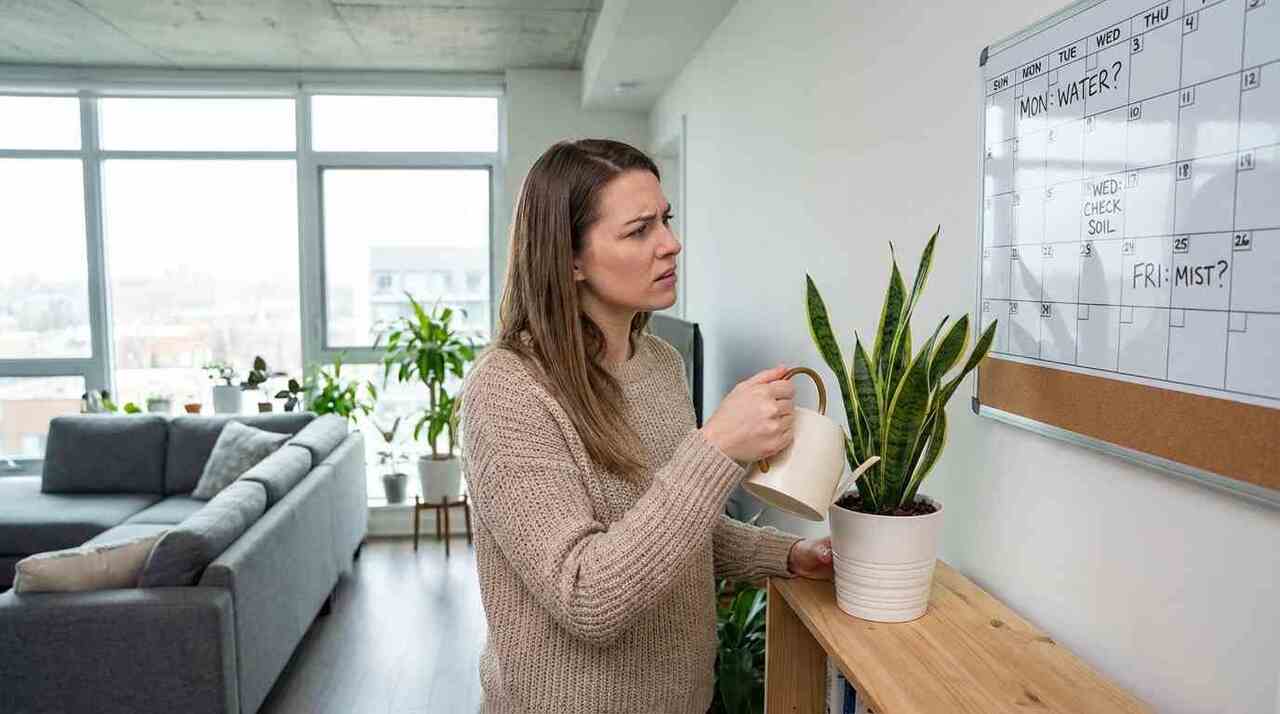
A lot of beginners follow advice like “water once a week.”
That might work for some plants—but not for snake plants.
Water needs change based on:
- Season
- Room temperature
- Humidity
- Light exposure
Why This Matters:
In winter, your plant may need water once every 2–3 weeks. In summer, it might need slightly more.
Better Approach:
Check the soil before watering.
Stick your finger into the soil or use a moisture meter. If it’s still damp, wait.
Mistake #5: Keeping It in Low Light (Too Long)
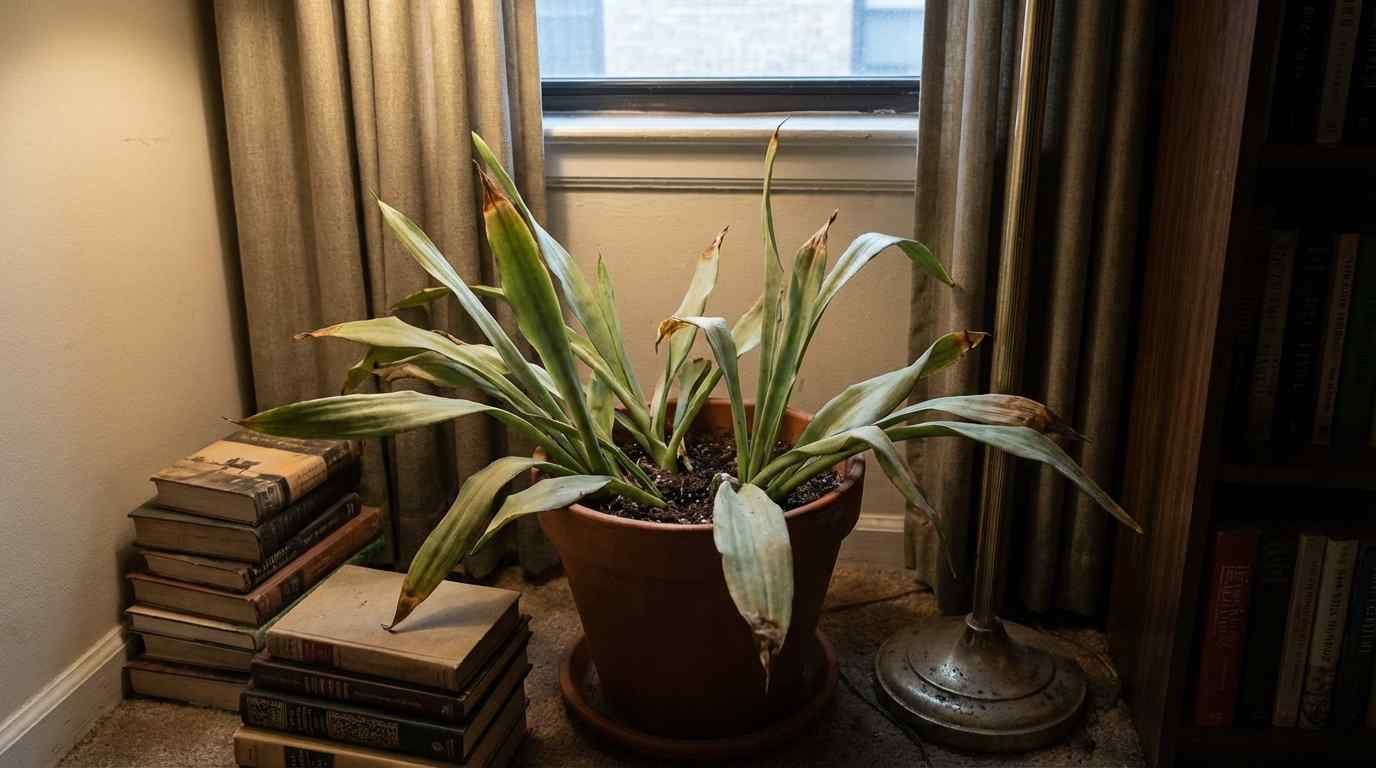
Snake plants are known as low-light houseplants, which leads many people to place them in dark corners.
Yes, they can survive in low light—but they won’t grow.
Signs of Insufficient Light:
- No new leaves
- Thin or weak growth
- Dull, faded color
What Works Best:
Bright, indirect light.
In my own setup, moving a snake plant from a dark hallway to a brighter living room made a huge difference. Within a few weeks, new growth appeared.
Mistake #6: Too Much Direct Sunlight
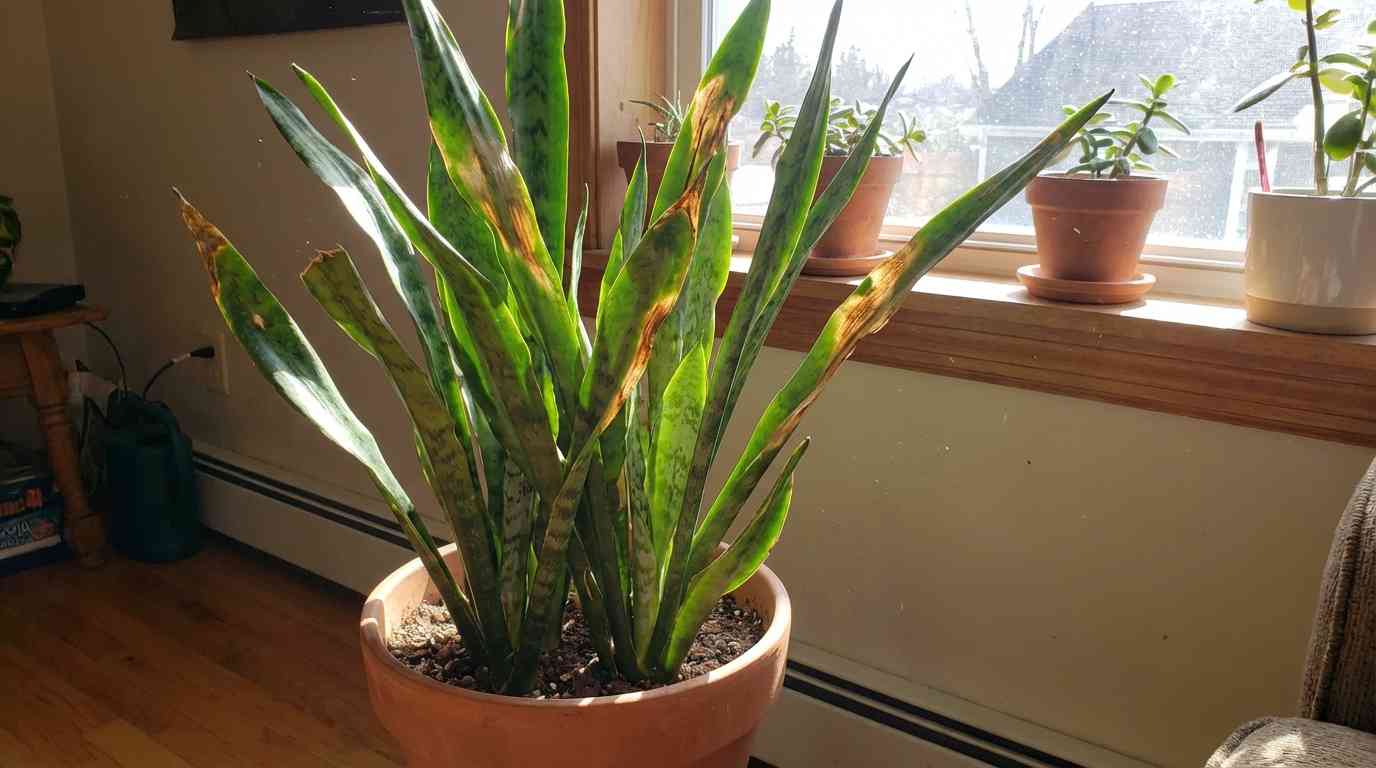
On the flip side, too much direct sunlight can also harm your plant.
This is more common in south-facing windows in the U.S., where sunlight can be intense.
Signs of Sun Damage:
- Brown or burnt patches
- Crispy leaf edges
- Washed-out color
Ideal Placement:
Near a window with filtered or indirect light.
Balance is key.
Mistake #7: Ignoring Early Signs of Root Rot
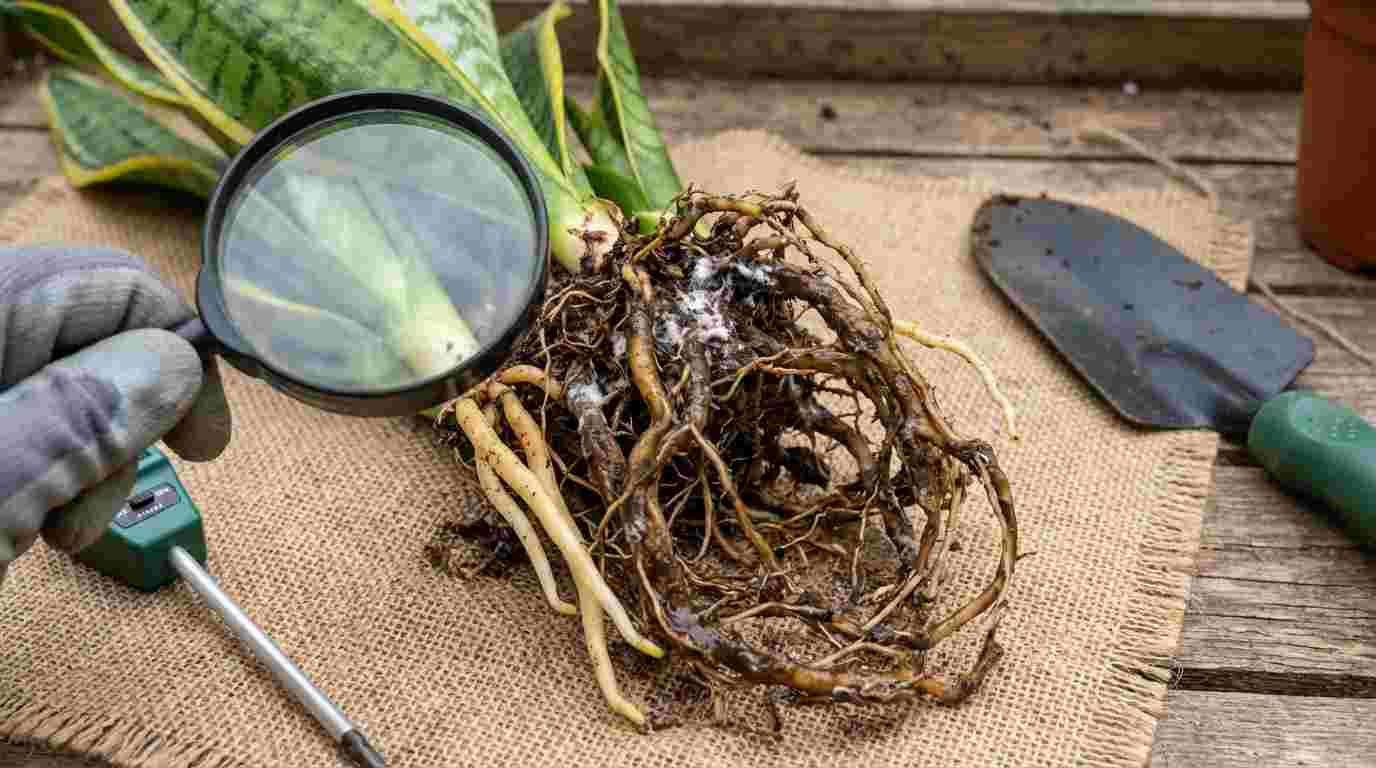
Root rot doesn’t happen overnight—it gives warning signs.
The problem is, most people ignore them.
Early Warning Signs:
- Slight yellowing
- Soft leaves
- Slower growth
Advanced Symptoms:
- Mushy base
- Foul smell
- Leaves collapsing
What You Should Do:
Remove the plant from the pot, trim off damaged roots, and repot in fresh, dry soil.
Acting early can save your plant.
Mistake #8: Using a Pot That’s Too Big
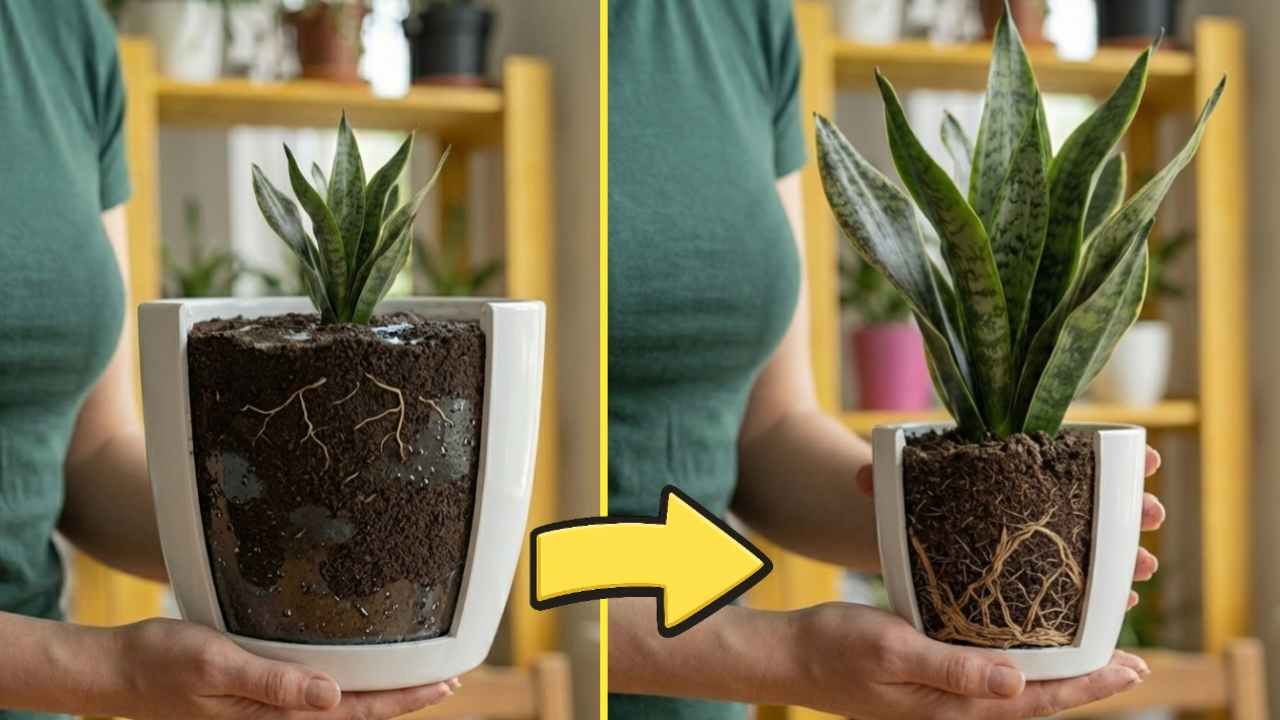
Many people think a bigger pot helps plants grow faster. For snake plants, it does the opposite. Choosing the right pot size for snake plant is crucial for ensuring the healthy growth.
Why Big Pots Are Risky:
- Soil holds more water
- Takes longer to dry
- Increases root rot risk
Snake plants prefer being slightly root-bound.
Mistake #9: Over-Fertilizing
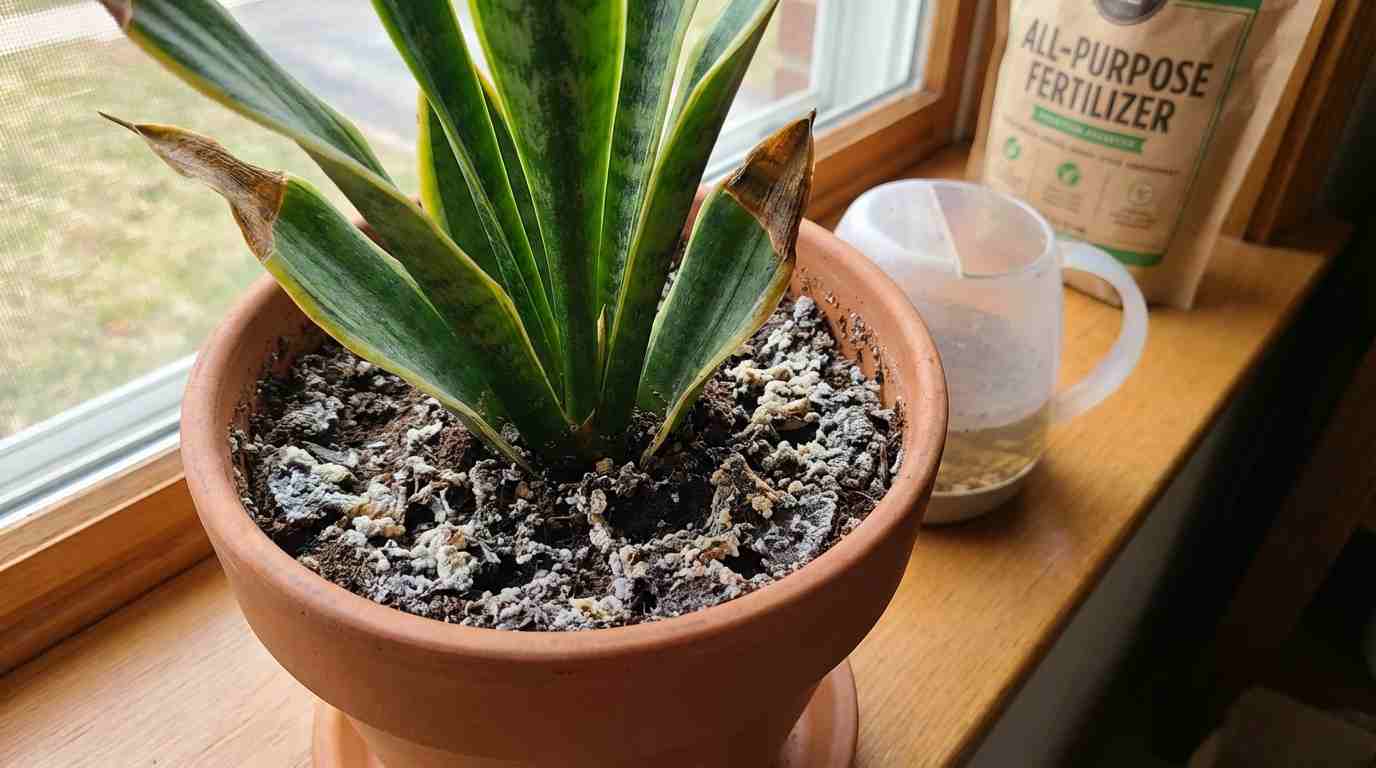
Snake plants don’t need much feeding.
Too much fertilizer can damage roots and cause salt buildup in the soil.
Signs of Over-Fertilizing:
- Leaf burn
- White crust on soil
- Stunted growth
Best Practice:
Feed lightly during spring and summer. Avoid fertilizing in winter.
Mistake #10: Temperature Stress
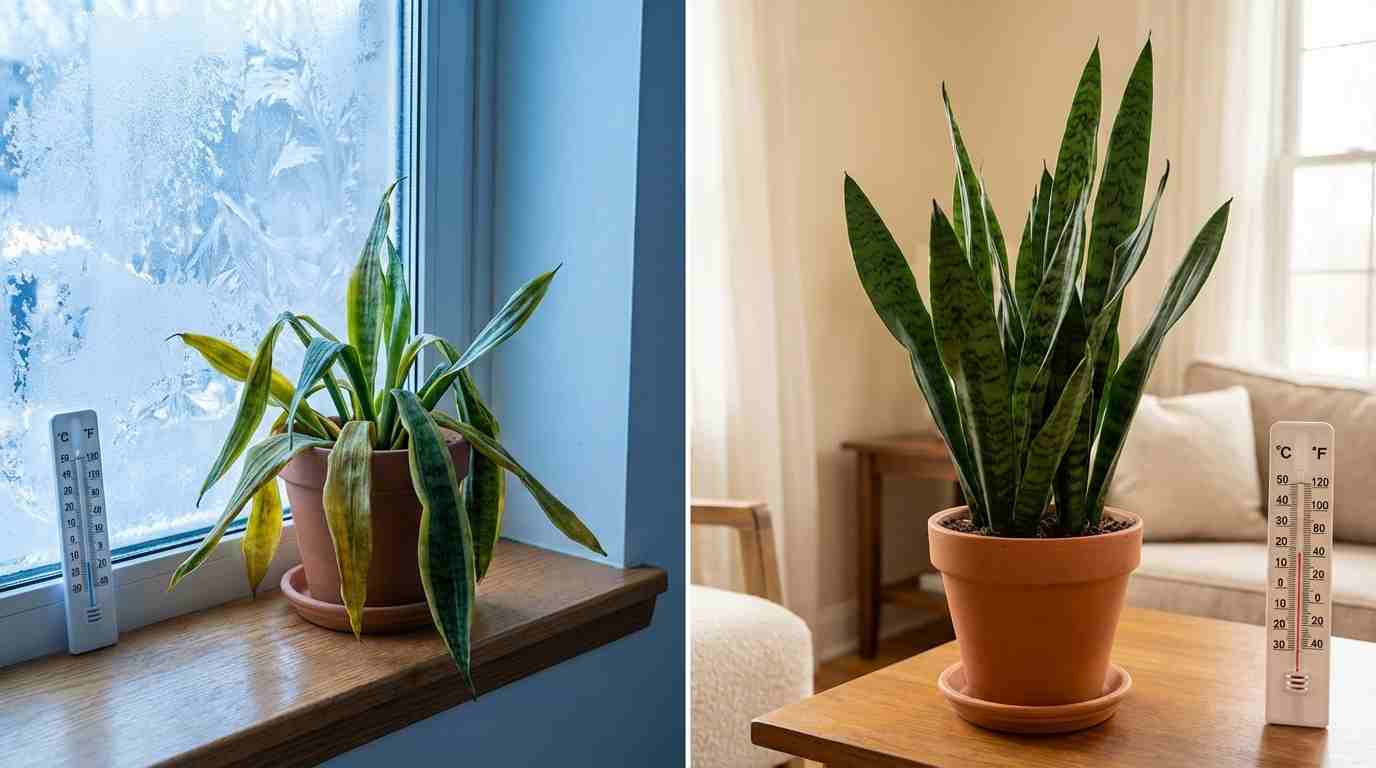
Snake plants are hardy, but they don’t tolerate extreme conditions.
Avoid:
- Temperatures below 50°F
- Cold drafts
- Sudden changes
Ideal Range:
65–85°F (typical indoor U.S. conditions)
Mistake #11: Poor Airflow

Indoor air can become stagnant, especially in closed rooms.
Why It Matters:
- Increases moisture buildup
- Encourages fungal issues
- Weakens plant structure
Simple Fix:
Use a small fan or ensure natural airflow.
Mistake #12: Expecting Fast Growth
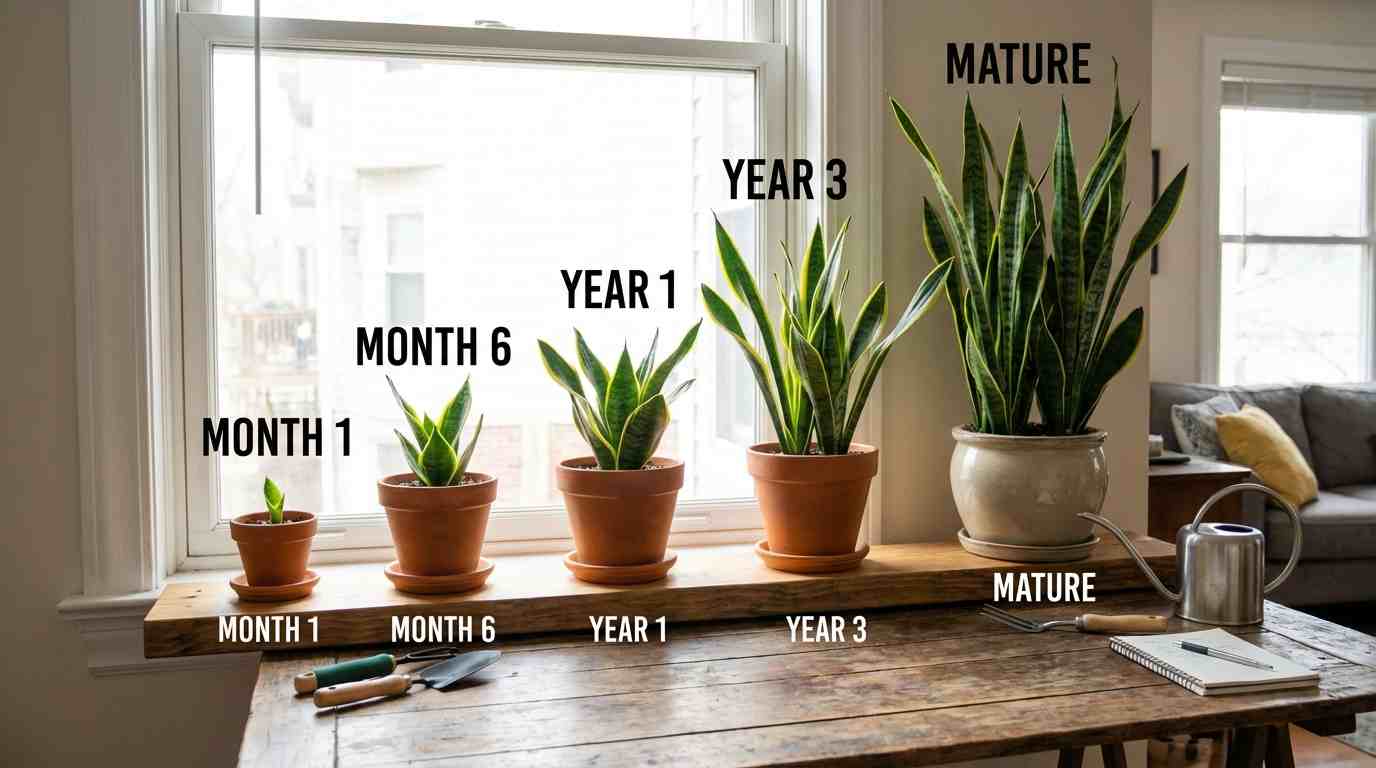
Snake plants are slow growers.
Many beginners think something is wrong when they don’t see quick results—and they start overwatering or overfeeding.
Reality:
Growth takes time.
Patience is part of proper snake plant care.
My Personal Experience: The Turning Point
When I first started, I killed multiple snake plants.
I overwatered them, used poor soil, and kept them in low light. I followed generic advice instead of understanding the plant itself.
The breakthrough came when I simplified everything:
- Less water
- Better soil
- More light
- Avoid oversized pots
That’s it.
Once I aligned my care routine with the plant’s natural behavior, everything changed. Growth improved, leaves became stronger, and problems disappeared.
Today, I rarely lose a snake plant. And when issues do happen, they’re easy to fix because I know exactly what to look for.
How to Keep Your Snake Plant Alive
If you remember nothing else, follow these:
- Water only when soil is completely dry
- Use fast-draining soil
- Provide bright, indirect light
- Avoid oversized pots
- Watch for early warning signs
Snake plants don’t need constant care—they need correct care.
Final Thoughts
Snake plants are incredibly resilient, but they’re not indestructible.
Most problems come from doing too much rather than too little.
Once you understand how they grow naturally, everything becomes easier. You stop guessing, stop overwatering, and start seeing consistent results.
And eventually, you realize:
Snake plants aren’t hard to grow—you just have to stop making the mistakes that kill them.