
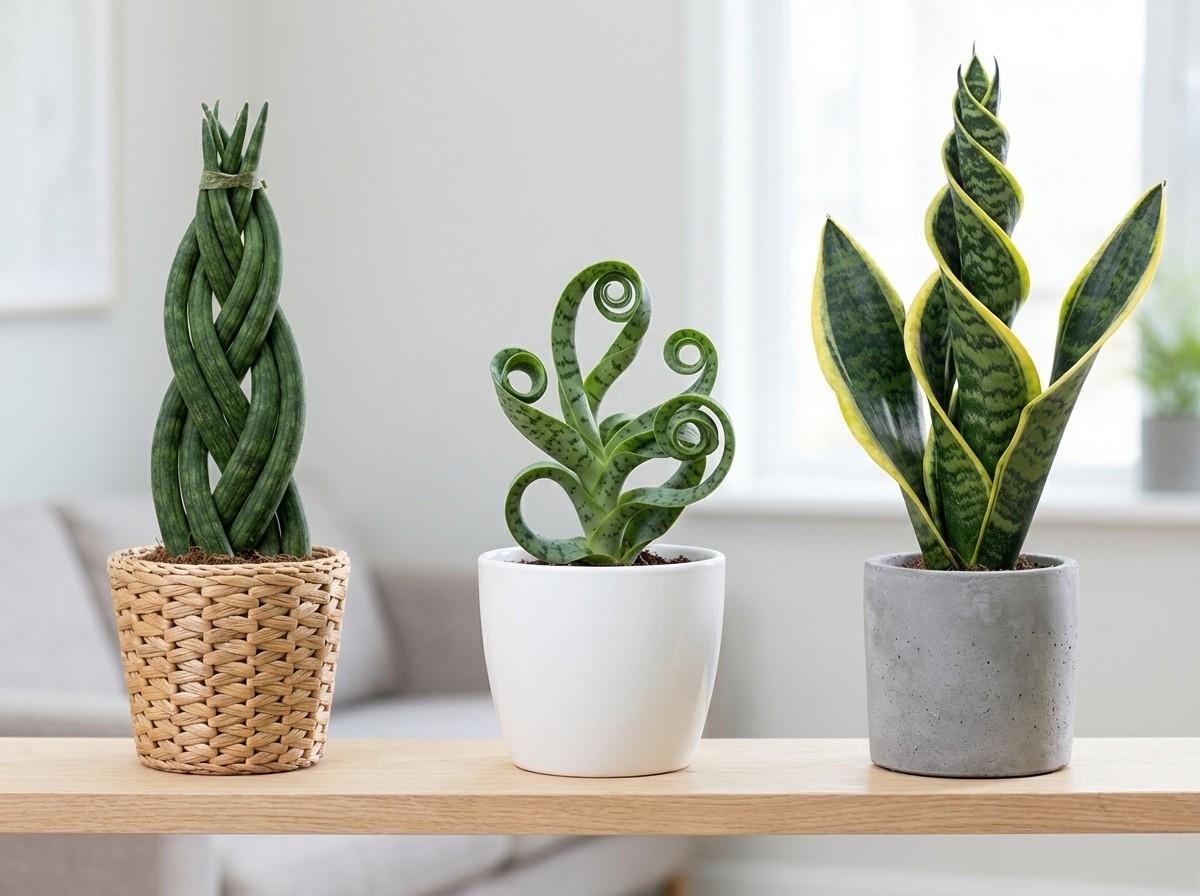
At first glance, Spiral Snake Plant Varieties don’t even look real. The twisted leaves feel almost sculpted, like someone shaped them by hand. When I first brought one home, I kept checking it from different angles just to understand how it grows like that.
What makes these plants special is not just their appearance. it’s the balance between structure and simplicity. They look premium, but they behave like low-maintenance plants.
Some varieties naturally twist as they grow, while others can be gently trained when young. Either way, once the shape is set, it becomes a long-term visual feature in your space.
Why Spiral Snake Plants Feel Different
Most indoor plants blend into the background over time. Spiral snake plants don’t. Their form keeps catching attention, even months later.
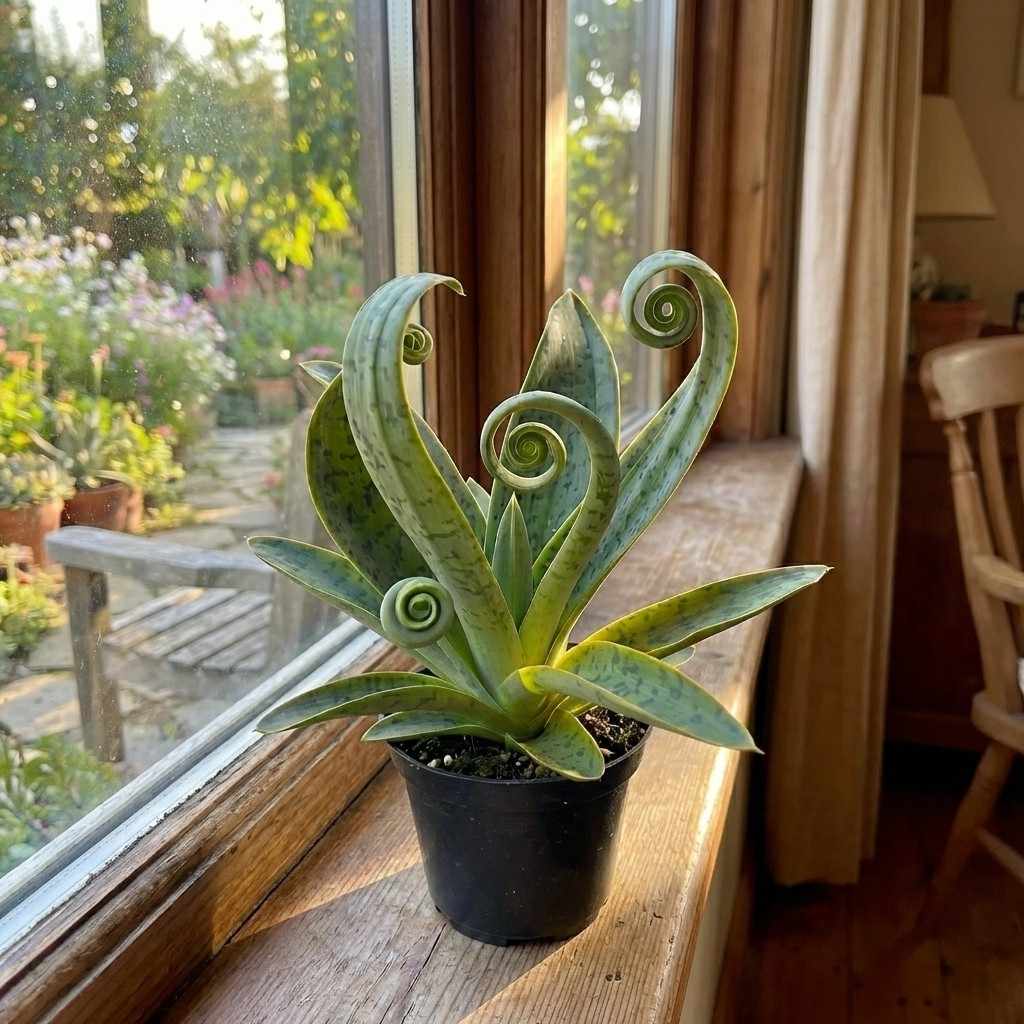
One thing I noticed after placing one near a window was how it changed the entire corner. It didn’t just sit there, it acted like a design piece.
That’s the real appeal. These plants don’t just grow, they shape the space around them.
A Quick Look at All Spiral Snake Plant Varieties
Here’s a simplified overview of all 10 spiral snake plant varieties so you can quickly compare their appearance and where they fit best in your space.
| Variety | Look | Best Placement |
|---|---|---|
| Cylindrica | Bold, structured spiral | Floor, corners |
| Boncel | Compact, thick leaves | Desk, shelf |
| Twisted Laurentii | Curved leaves with yellow edges | Highlight spots |
| Fernwood Mikado | Thin, minimal curved leaves | Modern setups |
| Cylindrica ‘Patula’ | Spreading, flexible form | Open spaces |
| Cylindrica ‘Spaghetti’ | Thin, flowing leaves | Relaxed decor |
| Twister | Irregular twisting pattern | Decor focal point |
| Boncel Variegated | Patterned, colorful leaves | Shelves, close display |
| Braid Crown | Structured braided spiral | Center display |
| Mini Spiral | Small, tight curved leaves | Desks, small spaces |
1. Cylindrica – The Classic Spiral Look
If you’ve ever seen a braided snake plant, chances are it was this one. Cylindrica is the variety most commonly shaped into spirals.
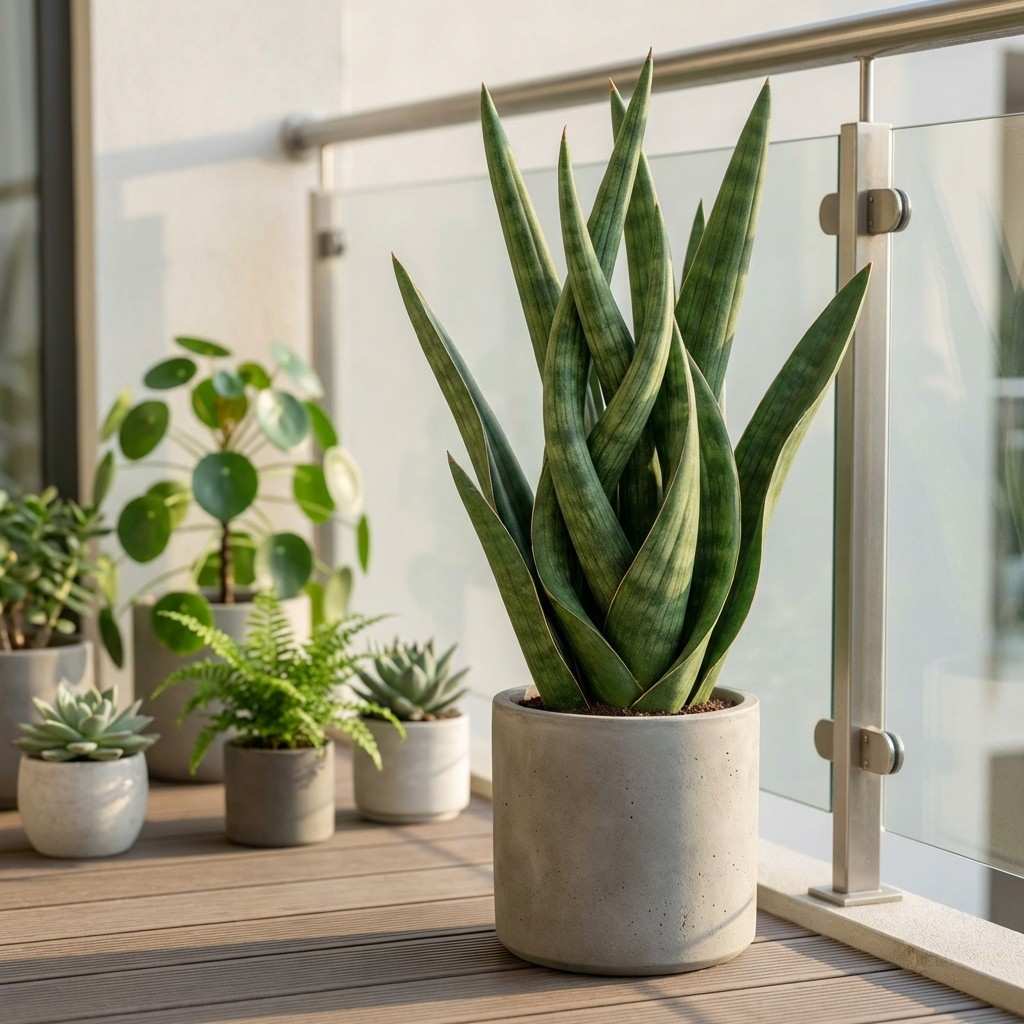
The leaves grow straight at first, but their structure allows easy shaping. That’s why it’s often styled in nurseries before being sold.
What I like most is how stable it feels. Even after months, the shape holds perfectly.
Where it stands out: entryways, minimal interiors, modern decor.
2. Boncel – Small but Surprisingly Bold
Boncel doesn’t try to be tall, it wins with shape. The leaves grow outward in a thick, almost star-like pattern.
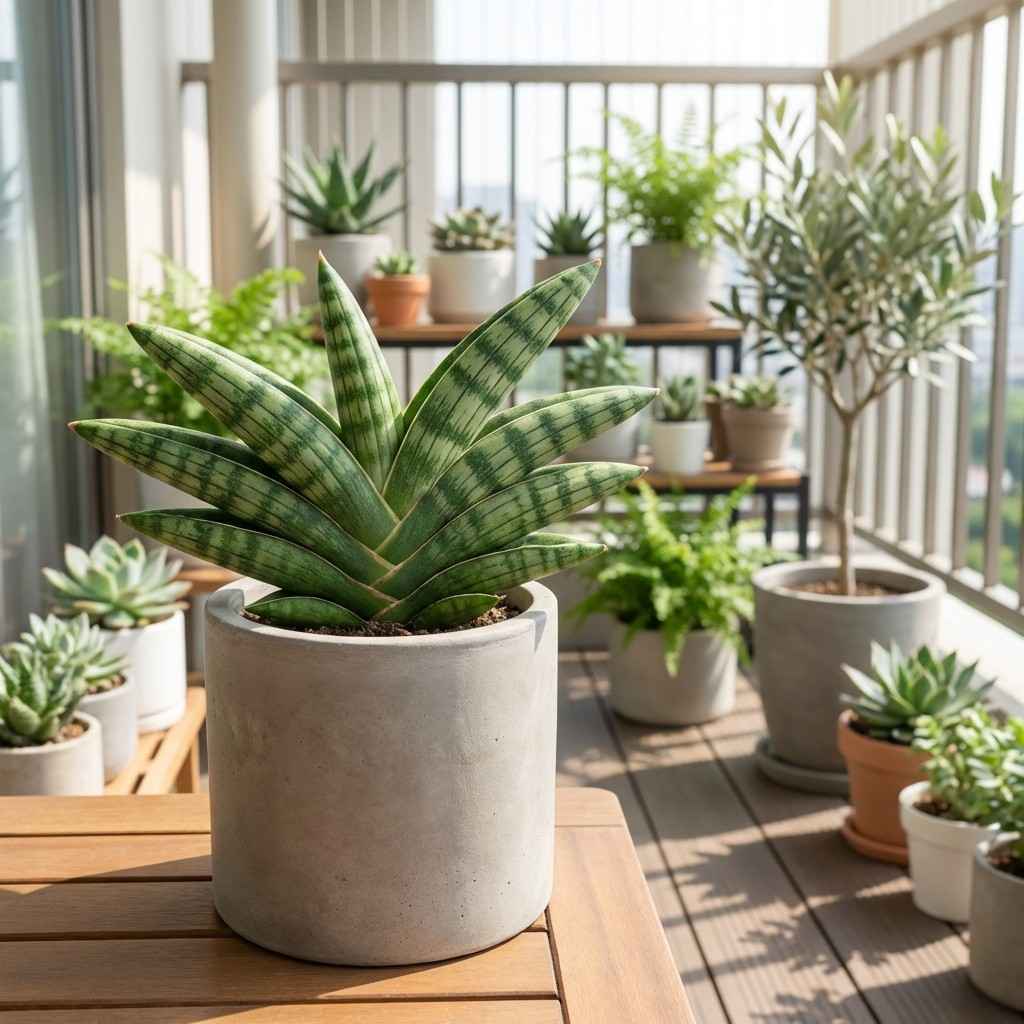
I once placed this on a small work desk, expecting it to blend in. Instead, it became the most noticeable element in that space.
It’s proof that size doesn’t define presence.
Best use: tight spaces, shelves, work desks.
3. Twisted Laurentii – Color Meets Movement
This variety brings something extra contrast. The yellow edges combined with curved leaves create a more dynamic look.
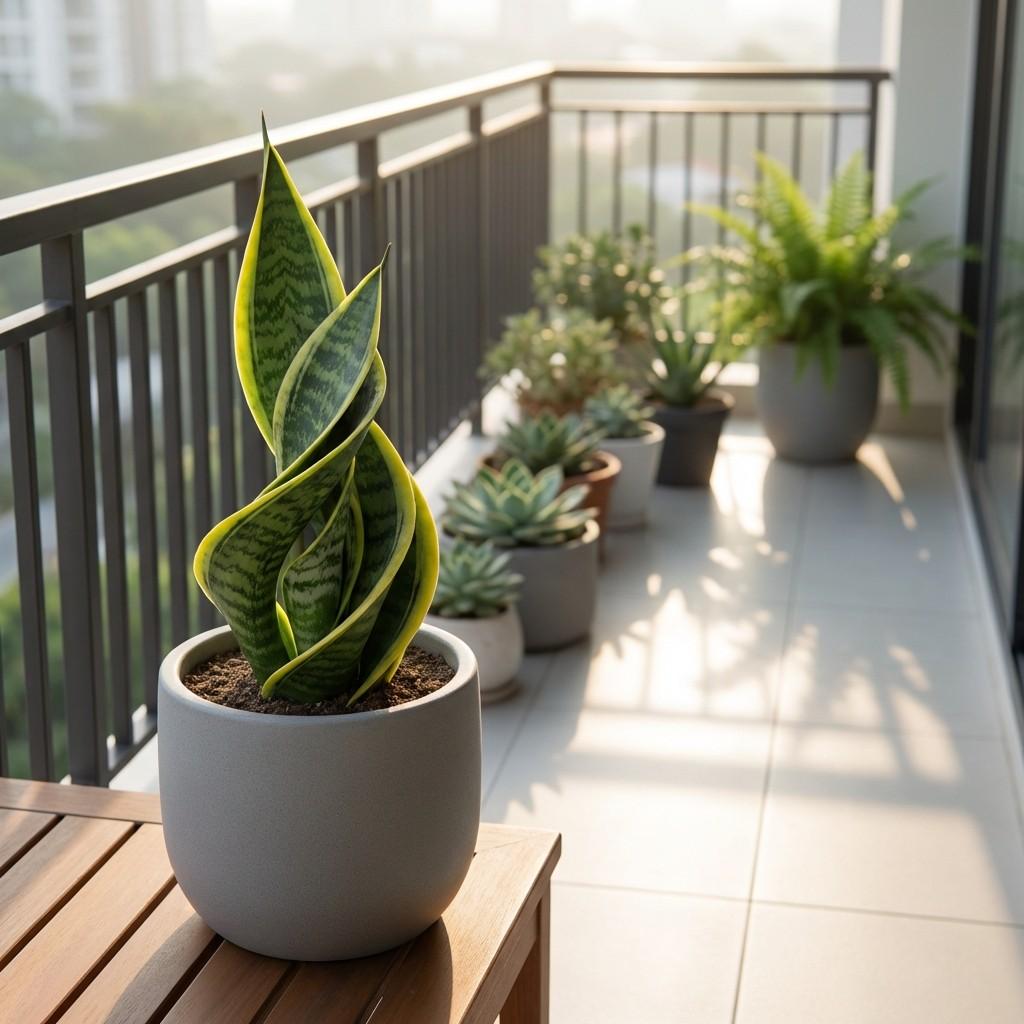
Unlike straight snake plants, this one never looks static. Every new leaf grows slightly differently.
Over time, it feels less like a plant and more like a living sculpture.
Why choose it: if you want both color and shape in one plant.
4. Fernwood Mikado – Clean and Understated
Mikado is not loud, and that’s exactly its strength. The thin, slightly curved leaves create a soft visual rhythm.
In a room full of bold plants, this one balances everything out.
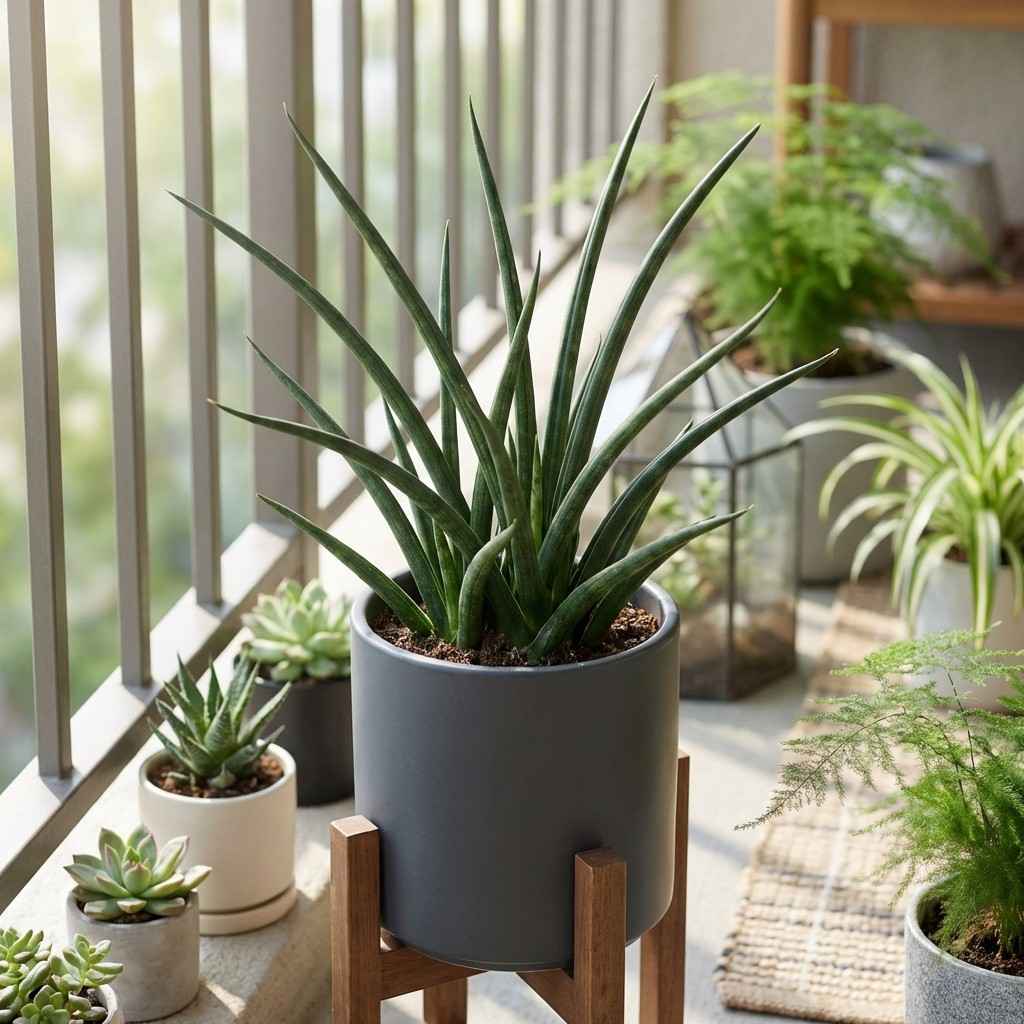
I’ve found it especially useful in minimal setups where too much structure feels overwhelming.
Best fit: modern interiors, subtle plant styling.
5. Cylindrica ‘Patula’ – More Natural Flow
Unlike the upright Cylindrica, Patula spreads outward. The leaves curve more freely, giving it a relaxed appearance.
This is the variety I experimented with when trying to create my own spiral shape. It responded well because the leaves are more flexible when young.
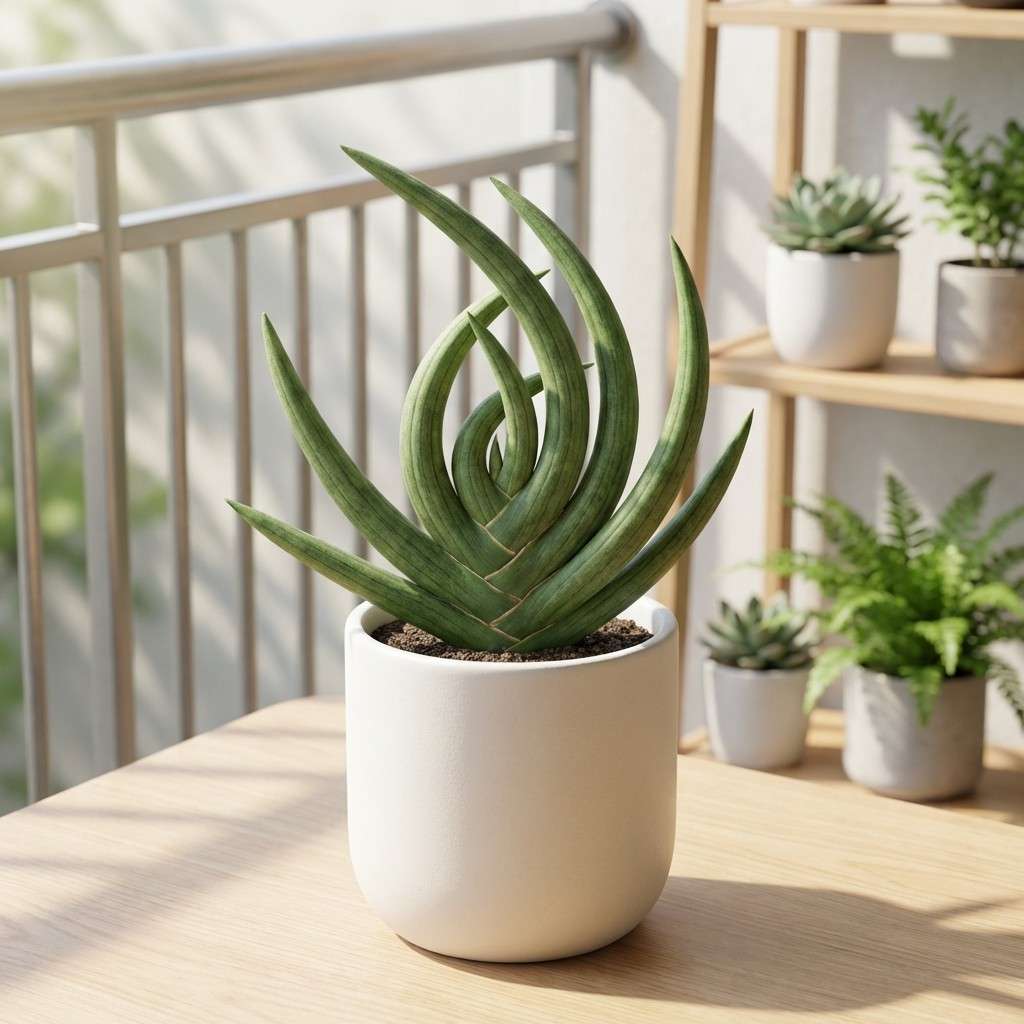
It feels less “designed” and more organic.
Good choice if: you want a natural-looking spiral instead of a tight structure.
6. Cylindrica ‘Spaghetti’ – Soft and Flowing
This variety feels completely different from the bold, upright types. The leaves are thinner, longer, and slightly curved, giving it a relaxed, flowing appearance.
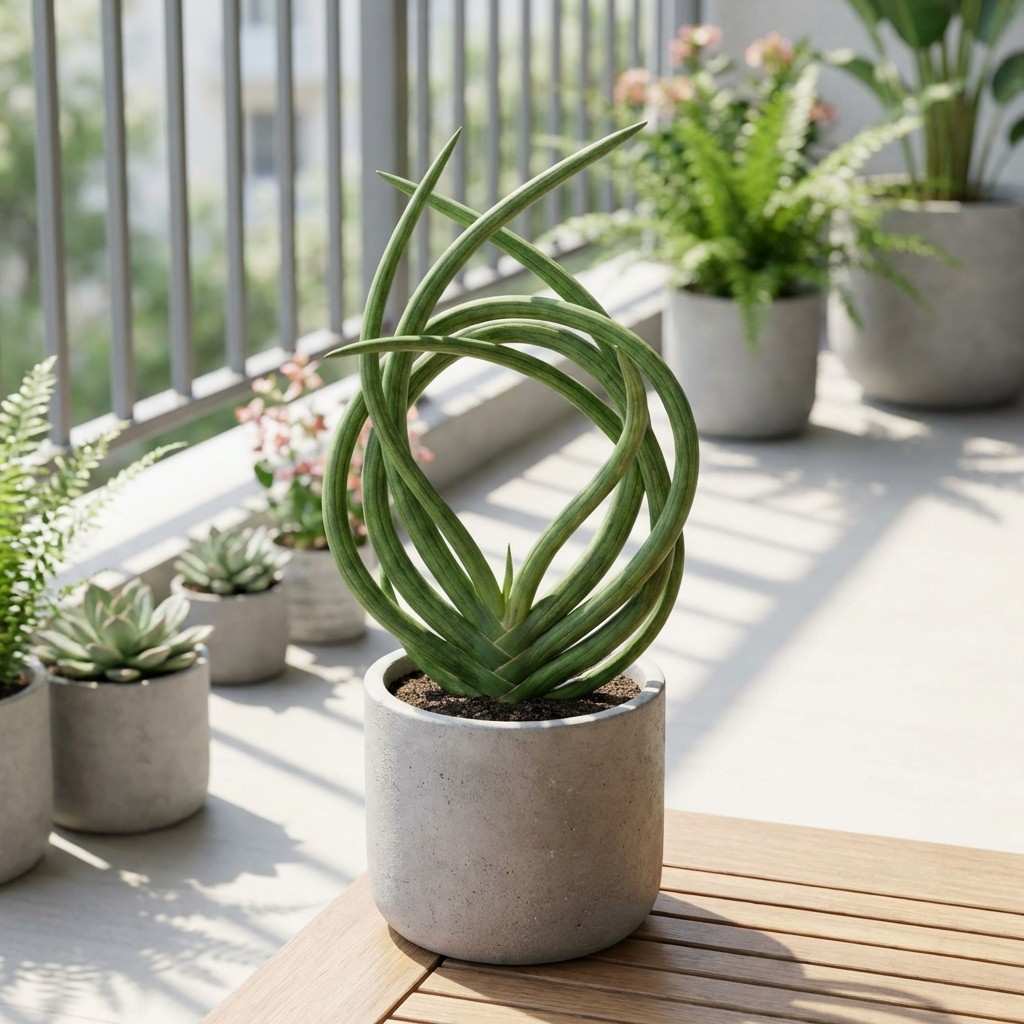
Instead of looking structured, it looks almost like it’s moving. I placed this near a window where light hits from one side, and the curves became even more noticeable over time.
It works best in spaces where you want something less rigid and more natural.
Best for: relaxed interiors, soft aesthetics, casual setups.
7. ‘Twister’ – Naturally Unpredictable
This one doesn’t follow rules—and that’s what makes it interesting. The leaves twist in different directions without needing any training.
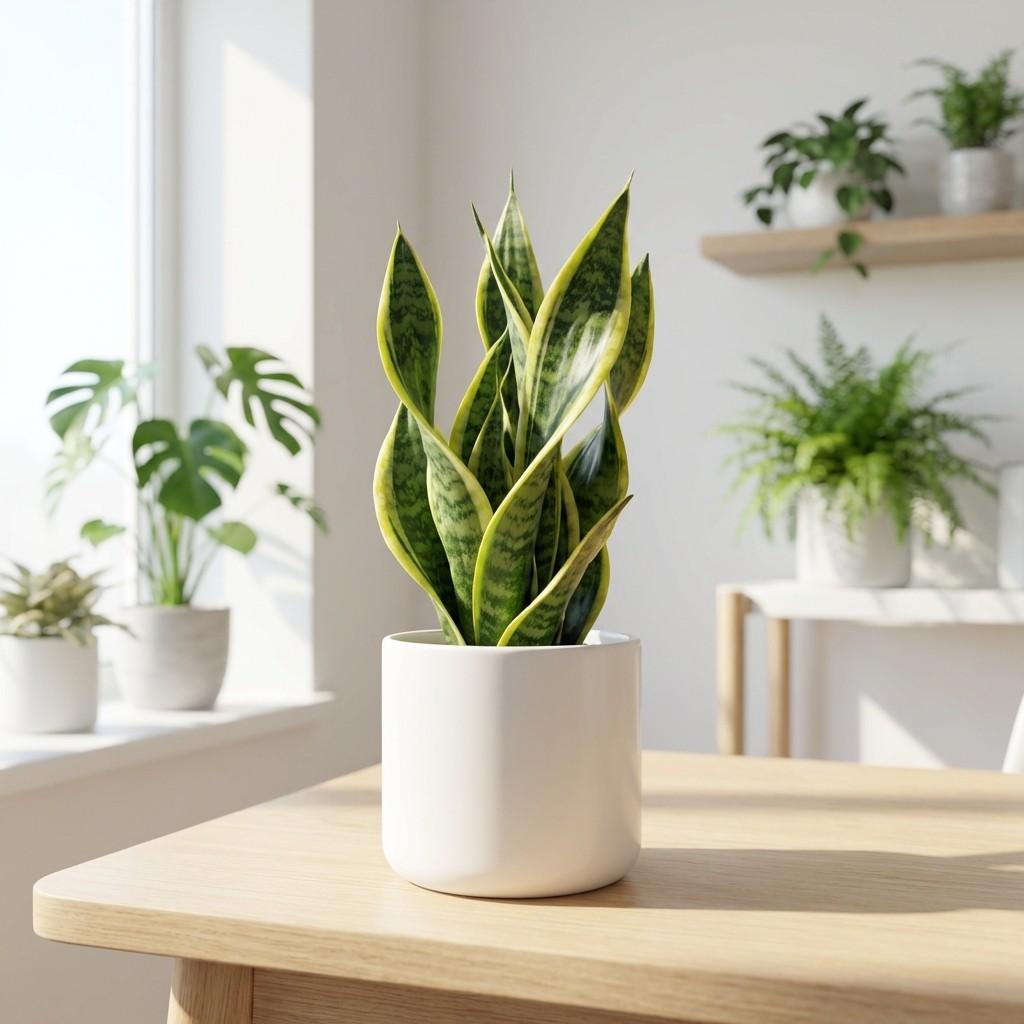
When I first saw it, I thought it had been shaped manually. But over time, I realized the pattern was completely natural.
No two plants look the same, which adds a level of uniqueness you don’t usually get.
Why it stands out: organic, unpredictable growth pattern.
8. Boncel Variegated – Small with Extra Detail
If the regular Boncel feels simple, this version adds contrast. The mix of light and dark tones makes the plant look more detailed, even from a distance.
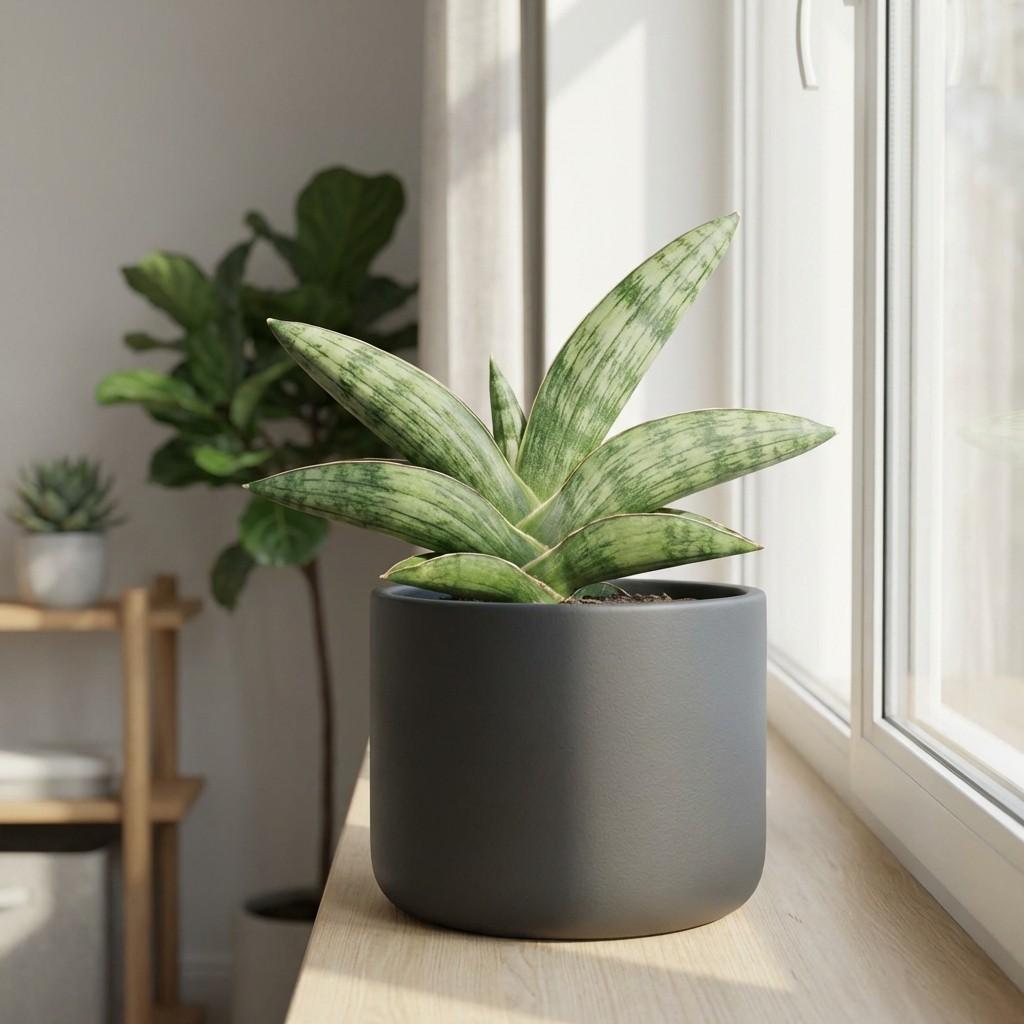
It grows slowly, but that actually works in its favor—it holds its shape for a long time.
I’ve noticed it draws attention without needing size or height.
Best use: decorative shelves, close-up display areas.
9. Braid Crown – Designed, Yet Living
This is where plant meets design. The leaves are braided when young, and as they grow, the structure becomes permanent.
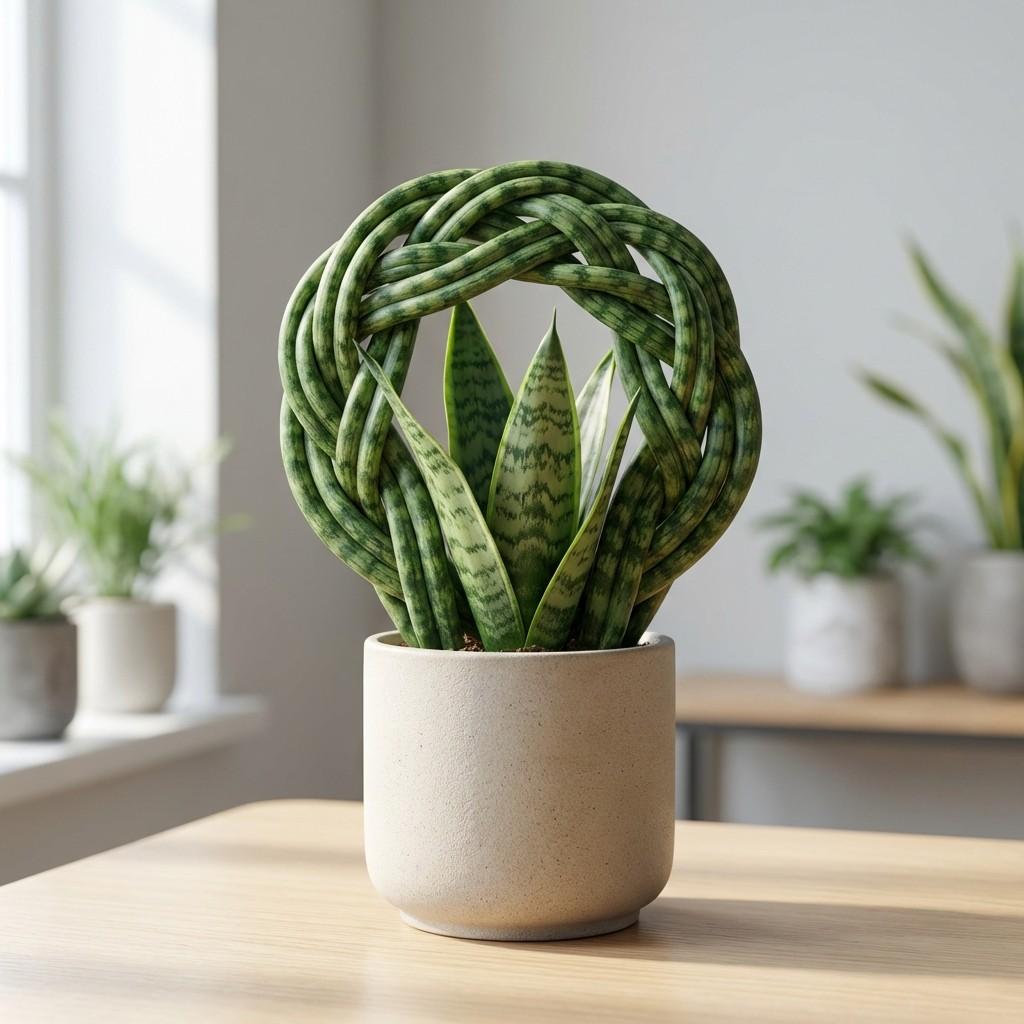
I tried creating one myself, and while it takes patience, the result feels custom-made.
Once the shape settles, it requires almost no adjustment.
Unique factor: structured spiral that looks intentional.
10. Mini Spiral – Compact and Controlled
Not every space needs a large plant. Mini spiral varieties are designed for tight areas, but they still carry the same visual impact.
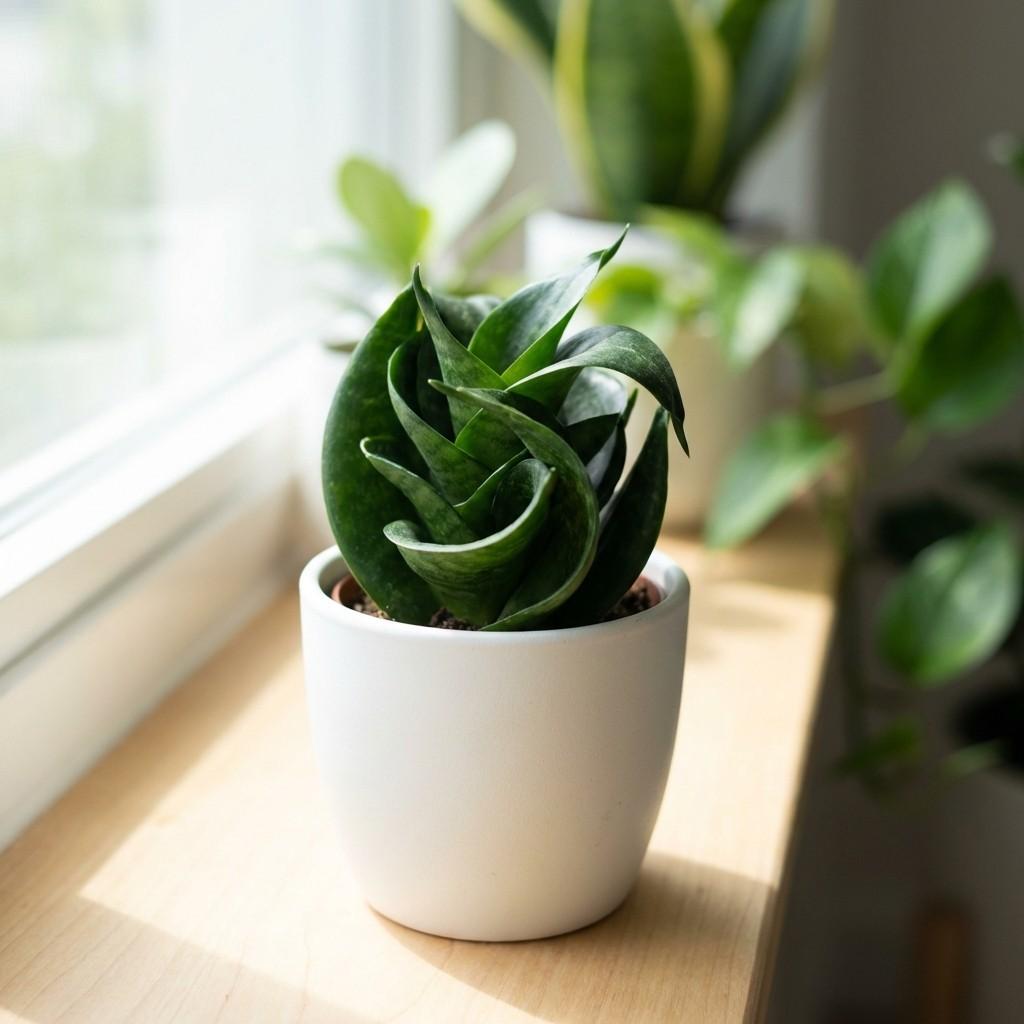
I’ve used one on a small side table, and it added character without taking over the space.
It’s a good entry point if you’re just starting with spiral forms.
Ideal for: small apartments, desks, minimal spaces.
Choosing Based on Your Space (Not Just Looks)
One mistake people make is choosing based only on appearance. But placement matters just as much.
A tall structured plant in a small corner can feel overwhelming, while a compact one might disappear in a large space.
Think of it like matching furniture to a room.
| Space Type | Recommended Variety |
|---|---|
| Small desk | Boncel |
| Empty corner | Cylindrica |
| Decor highlight | Laurentii |
| Minimal setup | Mikado |
What Most People Don’t Notice
Here’s something that took me time to understand spiral shape is not just about genetics. It’s also about early growth conditions.
If the plant gets consistent light and slight directional influence when young, the shape becomes more defined.
Once it matures, that structure stays.
That’s why two plants of the same variety can look completely different.
What Actually Keeps the Spiral Shape Intact
One thing I learned over time is that maintaining the spiral look is easier than creating it.
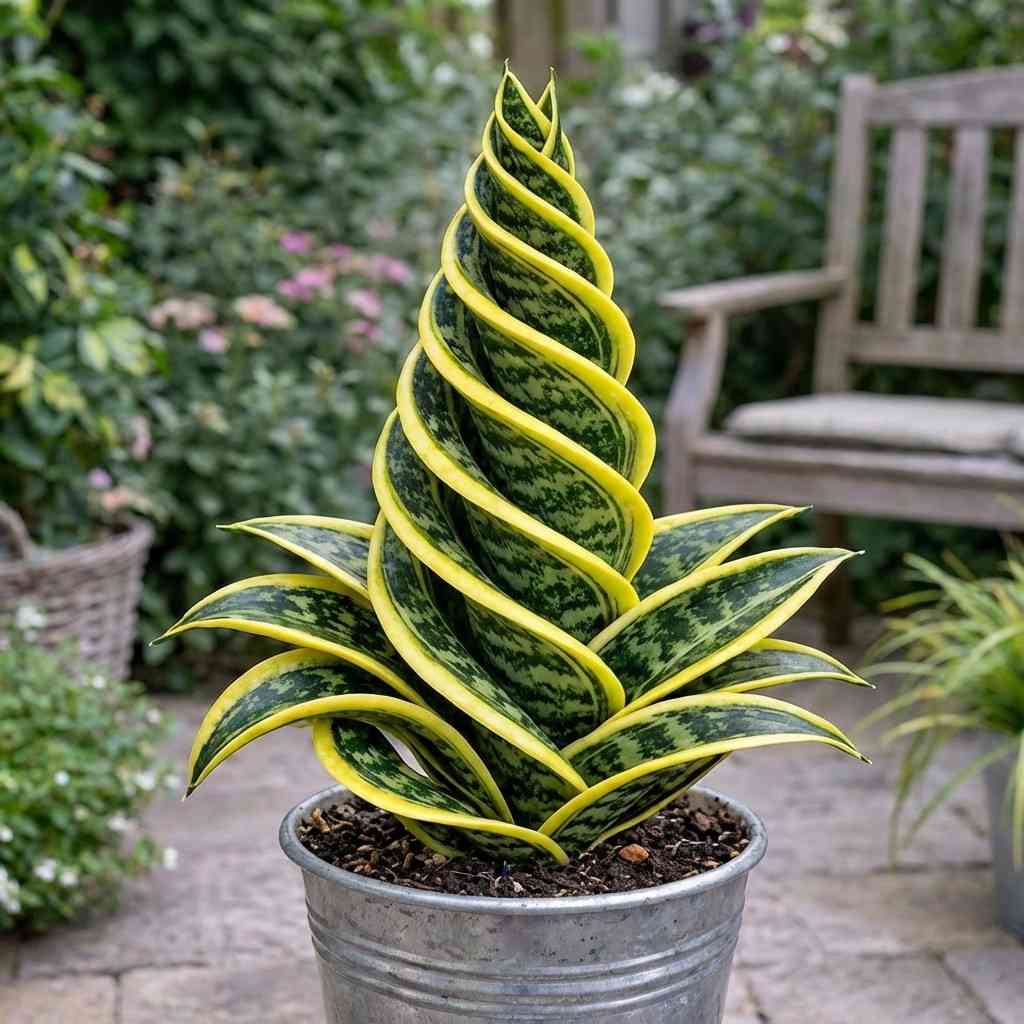
Once the plant sets its form, it continues growing in that direction—as long as conditions remain stable.
Small inconsistencies, especially in light direction, can slowly distort the shape.
If your plant suddenly starts losing its shape or looks unhealthy, it might be due to some common care errors—these are often the same mistakes that quietly damage most snake plants over time.
Here’s what really makes a difference:
| Factor | Effect on Shape |
|---|---|
| Consistent light | Even growth pattern |
| Stable placement | Maintains direction |
| Minimal disturbance | Preserves structure |
| Balanced watering | Healthy leaf strength |
The pot size you choose also plays a subtle role in how the plant grows and maintains its structure over time.
Shaping vs Natural Growth — What’s Better?
This is something I often get asked. Should you shape the plant or let it grow naturally?
After trying both, I’d say it depends on your goal.
If you want precision, shaping works. If you prefer uniqueness, natural growth is better.
Interestingly, the best-looking plants are often a mix of both—guided early, then left alone.
Interestingly, some growers even experiment with growing snake plants in water, which creates a completely different root environment compared to soil-based setups.
My Personal Take After Growing Multiple Varieties
At one point, I had three different spiral snake plants placed in the same room. Same care, same light—but each one grew differently.
That’s when I realized these plants are not just about maintenance—they respond to subtle environmental cues.
Once you understand that, you stop trying to control them and start working with them.
If the base starts softening or leaves lose firmness, it could be an early warning sign of root-related issues that many plant owners overlook.
Frequently Asked Questions (FAQ)
Do spiral snake plants grow naturally or are they shaped?
Both. Some varieties naturally curve, while others are trained when young to create spiral designs.
Are spiral snake plants harder to care for?
No, they require the same care as regular snake plants—low water, indirect light, and minimal attention.
Will the spiral shape change over time?
If conditions remain stable, the shape stays consistent. Sudden changes in light direction can affect growth pattern.
Which variety is best for beginners?
Cylindrica and Boncel are the easiest to start with. They are low-maintenance and adapt well to indoor conditions.
Final Thoughts
Spiral snake plants are more than just decorative pieces—they bring structure, movement, and personality into a space.
What makes them special is not just how they look, but how they grow. Each plant develops its own character over time.
If you choose the right variety and give it consistent conditions, it becomes one of the most rewarding plants to keep indoors.
Where can I get those shaped snake plants? Why are my snake plants keep griwing tall but they all bow down?
1. You can Buy them online.
2. Usually that happens when they’re stretching for light. Snake plants grow taller and thinner in low light, and the leaves don’t get strong enough to stay upright—so they start bending.
Try moving it to brighter indirect light.
If some leaves are already too bent, you can stake them or trim them, but new growth should come in stronger once the conditions improve.