
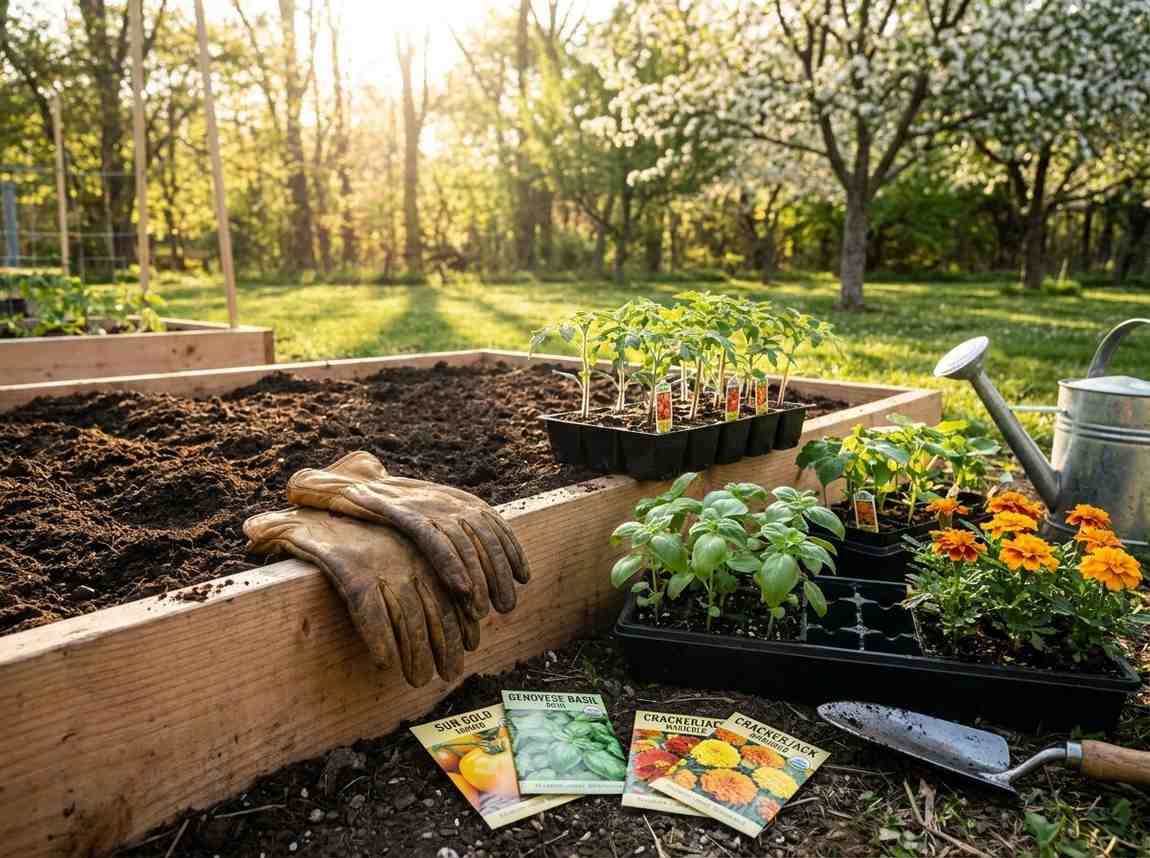
May is honestly one of my favorite months in the garden. The air is warm, the soil has finally thawed and softened, and that last frost date the one you’ve been nervously tracking since February is finally behind you. If you’ve been itching to get your hands dirty all spring, May is your green light.
But here’s the thing: what you can plant in May depends a lot on where you live. A gardener in Minnesota has a very different May than someone down in Georgia. That’s why this guide breaks things down by region and USDA Hardiness Zone, so you can skip the guesswork and get straight to planting.
Whether you’re a seasoned home gardener or this is your very first season with a plot of dirt, this guide has you covered.
First Know Your USDA Hardiness Zone
Before you pick up a single seed packet, you need to know your zone. The USDA Plant Hardiness Zone Map divides the country into zones based on average minimum winter temperatures. It’s the single most useful tool for knowing what grows where and when.
Here’s a quick breakdown of how zones map to major U.S. regions:
| Zone | Region / States | May Planting Status |
|---|---|---|
| 3–4 | Northern Minnesota, Montana, Alaska | Last frost just passed — cautious planting |
| 5–6 | Midwest, New England, Pacific Northwest | Peak planting season begins |
| 7–8 | Mid-Atlantic, Pacific Coast, Pacific NW | Full swing — warm crops thrive |
| 9–10 | Texas, California, Florida, Gulf Coast | Shift to heat-tolerant varieties |
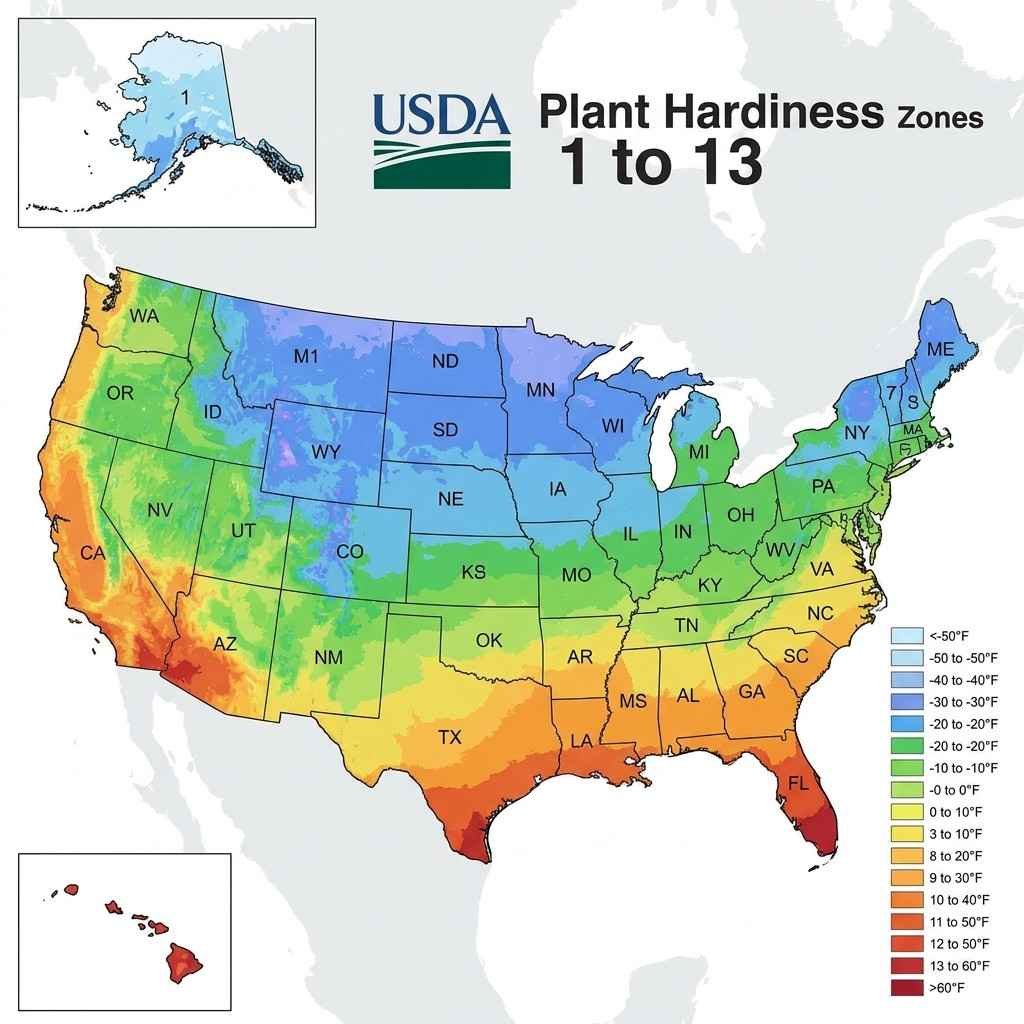
You can look up your exact zone at the USDA’s official website by entering your zip code. Takes about 30 seconds, and it’ll change the way you garden forever.
Vegetables to Plant in May
Cool-Season Crops
If you’re in Zones 5–7, early May is actually your last window to squeeze in a few cool-season vegetables before summer heat shuts them down. Don’t miss it.
- Lettuce: Plant seeds or transplants in early May. It bolts (goes to seed and turns bitter) once temps hit the high 70s consistently, so get it in now.
- Spinach: Same deal as lettuce. Loves cool soil and fades fast when summer kicks in.
- Beets: A surprisingly tough vegetable that handles both cool and mild-warm conditions. Direct sow the seeds.
- Kale: One of the toughest vegetables around. May planting works in Zones 5–7 for a late spring harvest.
- Cabbage: Plant seedlings in early May. Frost doesn’t faze it much, and it grows beautifully through the month.
- Peas: In cooler zones (5–6), early May is still fine. They hate heat, though, so don’t wait too long.
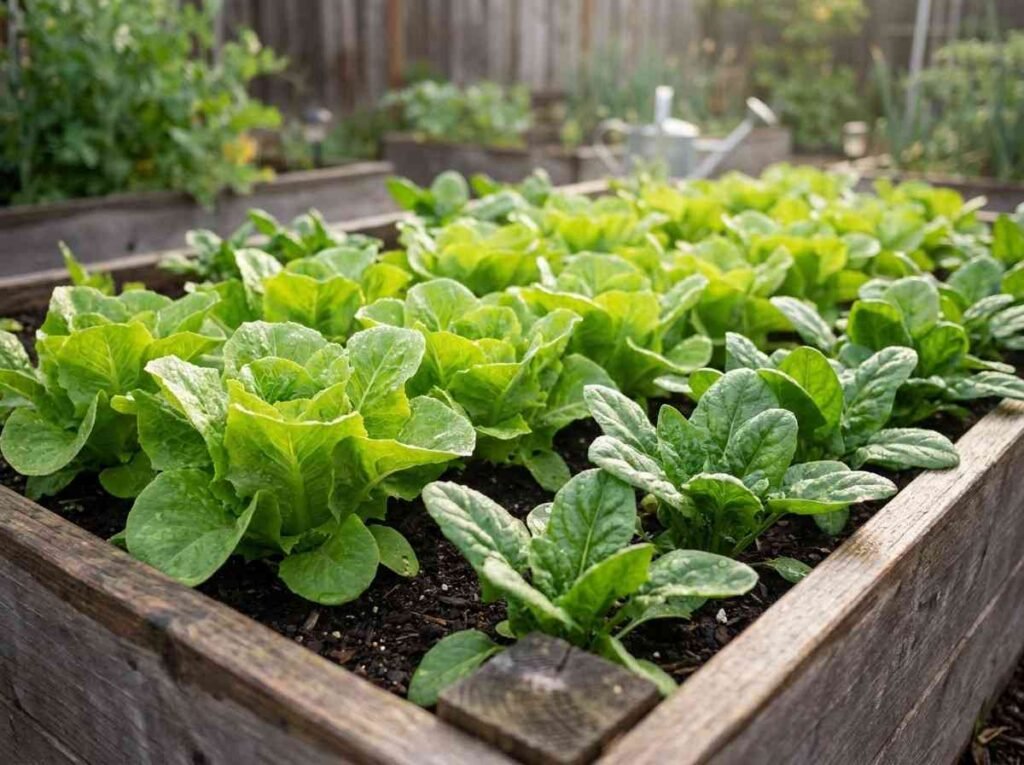
Quick tip: If your area has already hit consistent highs in the mid-80s, skip the cool-season crops and go straight to warm-season plants. Trying to grow spinach in the heat is a frustrating battle you won’t win.
Warm-Season Vegetables (The May Stars)
This is where May really shines. Once night temperatures are consistently above 50°F and the soil has warmed to at least 60°F, warm-season crops are ready to go in.
Tomatoes
Tomatoes are the crown jewel of the American backyard garden, and May is prime transplant time across most of the country (Zones 4–9). Don’t plant seeds directly, you’ll want to buy or start seedlings indoors 6–8 weeks before this. Set them out after your last frost date, in a spot that gets at least 6–8 hours of direct sun.
Cucumbers
Cucumbers love heat and really shouldn’t go in until soil temps hit 60°F. In Zones 5–10, May is perfect. You can direct sow seeds or use transplants. They’re fast producers expect cucumbers within 50–70 days of planting.
Zucchini and Summer Squash
Few vegetables are more rewarding (or more generous) than zucchini. Plant seeds directly in the ground in May, and you’ll be drowning in squash by July. That’s a good problem to have. Give them plenty of room they spread out.
Beans
Bush beans and pole beans thrive in warm soil and should not be started indoors. Direct sow them once your last frost date has passed. Try staggering your plantings every 10–14 days for a longer harvest window instead of getting one massive crop all at once.
Peppers
Peppers need warm soil and warm nights to really take off. If you’re in Zones 6–10, transplant seedlings in May. In Zone 5, wait until late May or early June. They’re slow to mature but absolutely worth the patience.
Sweet Corn
Corn can go in once soil is above 55°F. In Zones 4–7, May is the right window. Plant in blocks rather than single rows for better pollination, that’s what gives you full, plump ears.
Eggplant
Eggplant is heat-loving and frost-sensitive. Zones 6–10 are safe to transplant seedlings in May. In cooler zones, hold off until early June.
A Complete May Planting Table by Zone
| Vegetable | Zones 3–4 | Zones 5–6 | Zones 7–8 | Zones 9–10 |
|---|---|---|---|---|
| Tomatoes | Transplant late May | Transplant May | Transplant early May | Already in/succession planting |
| Cucumbers | Direct sow late May | Direct sow May | Direct sow May | Already in |
| Zucchini | Direct sow late May | Direct sow May | Direct sow May | Heat-tolerant varieties |
| Beans | Direct sow late May | Direct sow May | Direct sow May | Succession sow |
| Peppers | Transplant late May | Transplant May | Transplant May | Already in |
| Sweet Corn | Direct sow late May | Direct sow May | Direct sow May | Heat-tolerant varieties |
| Lettuce | Direct sow early May | Early May only | Cool shaded spots | Fall planting instead |
| Beets | Direct sow May | Direct sow May | Early May | Fall planting instead |
Herbs to Plant in May in USA
May is a fantastic time to start an herb garden or expand the one you already have. Most herbs love warm, sunny conditions exactly what May delivers.
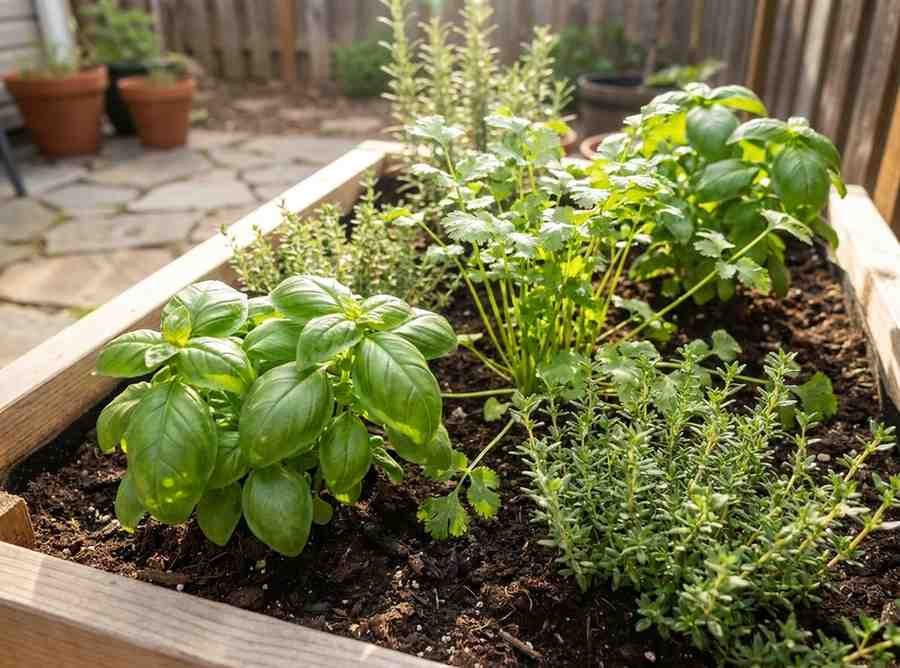
- Basil – Basil is the number one summer herb. Wait until nighttime temps are reliably above 50°F, then plant it in full sun. It’s frost-sensitive, so don’t rush it.
- Cilantro – Plant early in May in Zones 5–7 before it gets too hot. Cilantro bolts quickly in the heat.
- Dill – Direct sow in May. It’s easygoing and doesn’t need much fussing.
- Parsley – Transplant seedlings in May. It’s a slow grower from seed, so starting from a nursery transplant saves you weeks.
- Chives – Incredibly easy. Divide existing clumps or plant new ones in May.
- Mint – Plant in a container unless you want it to take over your entire yard. Seriously — mint spreads aggressively.
- Oregano, Rosemary, Sage, and Thyme – These Mediterranean herbs all do beautifully when planted in May. Full sun, well-draining soil, and relatively low water needs.
Flowers to Plant in May
A garden isn’t complete without flowers. Beyond the obvious beauty they bring, many flowering plants attract pollinators that your vegetables actually need.
Annual Flowers (Plant from Seed or Transplant)
- Marigolds – One of the most useful flowers in any vegetable garden. They repel certain pests and look gorgeous. Easy to grow from seed or transplant.
- Sunflowers – Direct sow seeds in May once frost danger has passed. They grow fast and look stunning.
- Zinnias – Bright, heat-loving, and great for pollinators. Direct sow after last frost.
- Cosmos – Sow seeds directly in May. They almost take care of themselves once established.
- Petunias – Transplant in May for a long season of color. Great in containers and hanging baskets.
Perennials to Plant in May
- Coneflower (Echinacea) – Native to North America, drought-tolerant once established, loved by bees and butterflies.
- Black-Eyed Susan – Another tough native plant. Plant in May and it’ll reward you for years.
- Daylilies – Nearly indestructible. Plant tubers or divisions in May.
- Lavender – Plant transplants in May in Zones 5–9. Full sun, excellent drainage. Skip lavender if you’re in a humid, wet region.
May Gardening Tips to Keep in Mind
Getting plants in the ground is just part of the job. Here’s what else to focus on in May:
1. Soil temperature matters more than you think.
Don’t just go by the calendar. Cold, wet soil will stunt warm-season crops or cause seeds to rot before they germinate. A simple soil thermometer costs about $10 and can save you a lot of frustration.
2. Harden off your seedlings.
If you started seeds indoors or bought transplants from a nursery, don’t put them straight outside in full sun. Spend a week gradually introducing them to outdoor conditions, a few hours outside each day, increasing gradually. This step gets skipped all the time, and it causes unnecessary shock and setbacks.
3. Mulch early.
Adding 2–3 inches of mulch around your plants right after planting keeps moisture in, weeds down, and soil temperature stable. It’s one of the highest-return things you can do in May.
4. Water deeply, not frequently.
Watering deeply a few times a week is far better than a light sprinkle every day. Deep watering encourages roots to grow downward, making plants more drought-resistant over the long run.
5. Keep an eye on late frost.
Depending on where you live, a surprise late frost in early May is still possible. Keep an eye on your local forecast, especially if you’re in Zone 5 or colder. Have a few old bedsheets or frost cloths handy to cover sensitive transplants overnight if needed.
What NOT to Plant in May
Just as important as knowing what to plant is knowing what to wait on.
- Pumpkins and winter squash – These need a long growing season, and planting too early can actually backfire. Late May to early June is better in most regions.
- Fall broccoli and cauliflower – These are cool-season crops best planted in July or August for a fall harvest. Planting in May means they’ll mature right in the summer heat — which they hate.
- Garlic – Garlic is planted in fall, not spring. If you see it at the garden center in May, it’s for indoor growing only.
Regional Highlights
Southeast (Georgia, Alabama, Mississippi, Carolinas)
May is essentially early summer here. Tomatoes, peppers, okra, sweet potatoes, and southern peas (like black-eyed peas) are all great choices. Avoid cool-season crops entirely.
Midwest (Iowa, Ohio, Illinois, Indiana)
Peak planting season. Get all your warm-season transplants in after May 10–15 for most areas. Beans, squash, and corn go in directly from seed.
Pacific Northwest (Oregon, Washington)
May can still be cool and rainy in much of this region. Focus on transplants rather than direct-seeded warm crops. Tomatoes and peppers need warm, sheltered spots or a cold frame to help them along.
Southwest (Arizona, New Mexico, Nevada)
In the lower desert elevations, May is already quite hot. Shift toward heat-tolerant varieties Armenian cucumbers, Malabar spinach, yardlong beans. Summer squash and okra handle the heat well.
New England (Massachusetts, Vermont, Maine, Connecticut)
Last frost can be as late as mid-May in many areas. Don’t rush. Hardy transplants like cabbage, broccoli, and kale can go in early May; tender crops like tomatoes and basil should wait until after Memorial Day to be safe.
Frequently Asked Questions
1. Is it too late to plant tomatoes in May?
No — May is actually the ideal time to transplant tomatoes in most parts of the country (Zones 5–9). As long as nighttime temperatures are consistently above 50°F and your last frost date has passed, you’re in great shape. In Zones 9–10, you may be doing succession planting or choosing heat-tolerant varieties by late May.
2. Can I plant seeds directly in the garden in May, or do I need transplants?
It depends on the vegetable. Beans, cucumbers, squash, corn, beets, and carrots all do well as direct-sown seeds in May. Tomatoes, peppers, and eggplant need the longer head start that transplants provide, buy them from a nursery or start seeds indoors in March.
3. What flowers should I plant in May for pollinators?
Marigolds, zinnias, sunflowers, coneflowers, and lavender are all excellent pollinator-friendly choices for May planting. They attract bees and butterflies that will help pollinate your vegetables, which directly improves your harvest throughout the summer.
4. How do I know if the soil is warm enough to plant in May?
Grab a soil thermometer and push it a few inches into the ground. Most warm-season vegetables need soil temperatures of at least 60°F to germinate and grow well. Tomatoes prefer 65°F or higher. If your soil is still cold and wet, wait a week or two before planting tender crops.
5. What herbs grow best when planted in May?
Basil, dill, cilantro, parsley, chives, and thyme are all well-suited to May planting across most U.S. regions. Basil is the most heat-loving of the group, so make sure nights are above 50°F before putting it outside. Rosemary, sage, and oregano also do very well when planted in May in Zones 6–10.